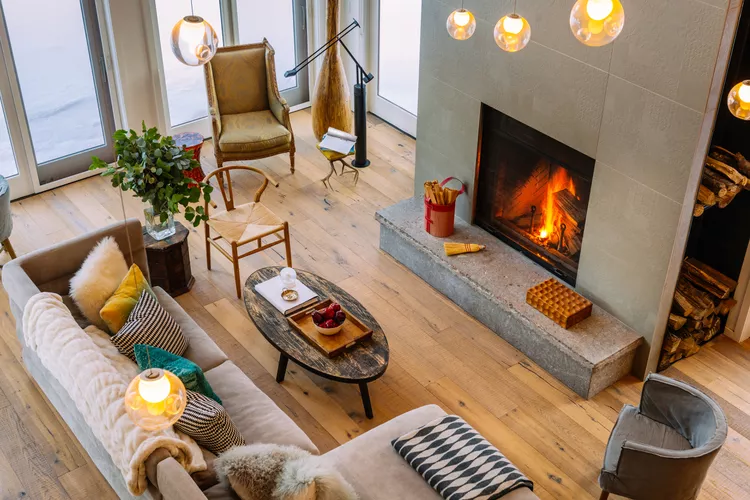
A fireplace can rescue a dull room faster than a new sofa, fresh paint, or another trendy lamp ever will. It pulls the eye, sets the mood, and tells people whether your home has taste or just expensive furniture. That is why fireplace designs matter so much when you want a room to feel current without turning cold or overly polished. The right surround, scale, and finish can make a compact apartment feel grounded or give a large open-plan house the warmth it often lacks.
Most people get this wrong in one of two ways. They either treat the fireplace like a museum piece from another decade, or they strip it down so much that it feels like a forgotten wall cutout. Neither choice does your room any favors. Good design lives in the middle, where comfort meets sharp visual judgment. When you choose with care, a fireplace stops being a seasonal feature and starts acting like the heartbeat of the room. It shapes furniture placement, softens hard materials, and gives modern home style a human side that sleek surfaces alone cannot deliver.
Why the Fireplace Still Owns the Room
A fireplace still acts like the visual boss of a room, even in homes filled with giant televisions and open shelving. Your eye lands there first because fire has always carried meaning: safety, company, ritual, and rest. Modern rooms need that emotional anchor more than ever because clean-lined spaces can drift into sterile territory fast. When the fireplace is handled well, the whole room feels composed. When it is clumsy, nothing else quite settles. That is true in new builds, old terraces, renovated apartments, and oversized suburban living rooms alike. The materials may change, but the basic rule stays put: if the center feels wrong, the room never fully recovers. Even the prettiest side tables and smartest lighting plan cannot fully save a room whose main focal point feels hesitant.
Form Comes Before Decoration
The smartest rooms start with proportion, not accessories. If the firebox sits too low, the wall feels sleepy. If the surround stretches too wide, it can bully the seating area and make the room seem smaller than it is. I have seen beautiful stone, expensive plaster, and custom millwork all fall flat because the basic shape felt off. A fireplace should look like it belongs to the architecture, not like it arrived later with a delivery crew and a mood board. That fit is what makes even simple rooms feel designed rather than merely furnished.
Strong form means paying attention to the outline before you think about styling. A tall, narrow surround adds lift in a room with modest ceilings. A long horizontal unit can calm a wide wall and work especially well under art in contemporary spaces. Curves soften a boxy room, while crisp edges sharpen one that already leans traditional. You do not need drama at every turn. You need balance. You also need the opening to feel believable, as though the room grew around it from the beginning.
That balance becomes more obvious once furniture enters the picture. Chairs should not fight the hearth for attention, and coffee tables should not crowd the approach to it. A good fireplace gives the room direction. It tells the sofa where to sit, tells lighting where to glow, and tells your eye where to rest after a busy day. That kind of visual order feels effortless, but it never happens by accident. A fireplace that is shaped well can even make average furniture look better, which is frankly more useful than most decorating tricks.
Materials Tell the Real Story
Materials decide whether your fireplace feels timeless, try-hard, or oddly temporary. Slab stone gives off quiet confidence when the veining stays restrained and the scale suits the room. Limewash plaster feels soft and architectural, which is perfect if you want warmth without heavy ornament. Brick can still work, but only when you respect its texture instead of forcing it into a fake rustic role that clashes with the rest of the home. Material choice is where taste stops being theoretical and starts becoming visible.
The mistake I see most often is mixing too many messages at once. Homeowners pair glossy tile with chunky farmhouse beams, then add black metal trim and wonder why the room feels confused. A fireplace should not sound like five people talking over each other. Pick one strong material language and let it carry the scene. If your floors already have grain and movement, the surround may need calm. If the room is mostly smooth and pale, a richer surface can do the lifting. Good contrast feels intentional, while random contrast just feels noisy.
Heat also changes how materials read. Firelight makes stone look deeper, plaster look softer, and metal look sharper. That matters at night, which is when a fireplace earns its keep. A surround that looks fine at noon but harsh after sunset is the wrong surround. Modern home style works best when it remembers that people actually live in the room after dark, with lamps on and real life happening around them. A sample board under bright store lighting tells you almost nothing. See the finish at home. Then decide.
Fireplace Designs That Feel Current Without Feeling Cold
Modern taste has a bad habit of chasing sharpness until a room loses its pulse. The best fireplace designs avoid that trap. They keep the lines clean, yes, but they also leave room for texture, shadow, and comfort. A modern fireplace should feel edited, not empty. It should look like someone thoughtful lives there, not like the room was staged for a property brochure. That difference may sound small, yet it is usually the line between a room people admire and a room people actually enjoy spending time in. You want polish, but you also want a reason to curl up there on a rainy evening and stay longer than planned.
Minimal Does Not Mean Bare
A clean fireplace can still have depth. That is the whole point. The strongest minimal designs rely on subtle shifts in plane, careful edges, and honest materials rather than loud trim or fussy decor. A smooth plaster chimney breast that rises to the ceiling can look calm and rich at the same time. A flush stone surround with a slightly raised hearth can feel tailored without begging for applause. The eye notices the control even when the room is saying very little.
People often confuse less detail with less personality. That is a design mistake, not a design rule. Personality can live in the shape of the opening, the tone of the stone, or the way the mantel projects just enough to cast a shadow line. One of the nicest modern living rooms I have seen used almost nothing around the fireplace: pale plaster, warm oak flooring, one low chair, and a stack of books off to the side. It did not feel empty. It felt sure of itself. Rooms like that prove that confidence usually reads better than decoration.
Restraint becomes powerful when every choice earns its place. That is why a modern fireplace needs discipline more than decoration. You do not need ten objects on the mantel to prove the room is styled. In many homes, the smartest move is to leave the mantel nearly clear and let one large artwork, a handmade vase, or the material itself carry the mood. Silence, in design, can be beautiful. It also gives your favorite pieces room to matter instead of forcing them to compete for scraps of attention.
Contrast Creates Warmth
A room gets interesting when opposites meet. That is especially true around a fireplace. Dark metal against creamy plaster, pale stone beside walnut shelving, or a low linear flame under a textured wall can make a modern room feel alive rather than flat. Contrast gives your eye somewhere to travel, and movement is what keeps a calm room from slipping into boredom. The room wakes up without turning loud, which is a trick worth chasing.
This does not mean chasing extremes. A black firebox inside an all-white room works because it creates a center of gravity, not because black automatically looks stylish. The same goes for mixing polished and rough surfaces. If your room already has a lot of hard shine from glass, marble, or lacquer, the fireplace may need a chalkier finish or a woven element nearby. You are not decorating a showroom. You are shaping a place people want to stay. That practical mindset keeps fashionable ideas from getting silly.
Warmth also comes from what surrounds the surround. A boucle chair, aged wood stool, or wool rug can keep a sleek fireplace from feeling emotionally distant. The fire itself flickers, so the room should answer back with texture and softness. That is where fireplace designs succeed or fail. The structure may be modern, but the feeling should still invite you in, loosen your shoulders, and make you stay for one more conversation. If a room looks good but makes you want to leave after ten minutes, something went wrong.
Choosing the Right Style for the Way You Actually Live
The prettiest fireplace in the world is still a bad choice if it ignores the way your home works. Design has to serve life, not the other way around. If you host often, your fireplace should support easy gathering. If you live with kids, pets, or a small floor plan, the shape and finish must handle daily chaos without looking defeated after six months. Taste matters. So does common sense. Rooms become lovable when they can survive ordinary life and still look good on a tired Tuesday evening. That is when design proves itself, not during a perfect weekend photo.
Small Rooms Need Smarter Moves
Compact rooms punish bad decisions quickly. A thick mantel can eat precious depth, a dark surround can make the wall feel heavier, and oversized tile can draw attention to every awkward proportion in the room. In tighter spaces, I usually prefer fireplace designs that feel lean and architectural. Slim surrounds, lifted hearths, and soft-toned finishes help the wall breathe rather than press forward. When space is limited, visual weight counts almost as much as physical depth.
Scale is everything here. A modest fireplace can still feel special if the detailing stays crisp and the lines remain clear. Vertical elements help a small room feel taller, while built-ins on either side can make the fireplace look intentional instead of stranded. One apartment I visited had a narrow plaster fireplace with a tiny stone ledge and nothing else dressed up around it. Smart choice. The room felt calm, not crowded. It also looked more expensive than rooms packed with bigger pieces and worse judgment.
Storage matters more than people admit. If you burn real wood, you need a graceful place for logs and tools. If you do not, the area still needs visual order. That might mean low cabinets, simple shelving, or a bench nearby that softens the architecture. A small room cannot afford decorative clutter pretending to be charm. Every inch has to pull its weight. Sometimes the most elegant move is not adding a thing, but removing one bulky element that has been stealing calm from the room for years.
Family Life Changes the Design Brief
A fireplace in a busy household has to survive real use. That means rounded edges often beat sharp corners, durable finishes beat precious ones, and easy-to-clean surfaces beat anything that shows every fingerprint. Parents know this in their bones. So do dog owners. A room can look elegant and still handle life with muddy paws, dropped toys, and people who actually put cups down without using coasters every time. Homes should not require constant apology from the people living in them.
This is where modern home style can turn smug if you let it. Some rooms look good only when nobody touches them. I have no patience for that. A fireplace should support living, not punish it. Sealed stone, matte tile, and sturdy hearth materials make far more sense than delicate surfaces that stain the moment winter starts. Beauty that cannot last a season is not beauty worth paying for. Real style has stamina. Otherwise it is only posing.
Safety deserves design attention too. Screens, clear walking paths, and heat-aware furniture placement should be part of the plan from the beginning. You can make all of that look good. A well-shaped guard screen, a non-slip hearth edge, or built-in storage for fireplace tools keeps the room neat and calm. Good design often looks effortless because it solved practical problems before they became visible. The smartest homes always make safety feel woven in, not bolted on afterward in a panic.
The Details That Separate a Good Fireplace From a Great One
Big decisions set the stage, but details decide whether the room feels finished. Mantel height, lighting, styling, and the wall above the fireplace all carry more weight than people expect. This is where a lot of decent projects lose their nerve. They get the surround right, then panic and clutter the rest. You do not need more stuff. You need better judgment. The finishing touches should sharpen the idea, not blur it. A well-finished fireplace reads calm even when the rest of the room is full of life, conversation, and movement.
Styling Should Support, Not Smother
A fireplace is not a shelf that happens to get hot. It is a visual anchor, and styling should respect that. One strong artwork, an off-center mirror, or a pair of simple objects often does more than a crowded mantel full of candles, framed quotes, and seasonal decorations. When every object screams for attention, the fireplace loses its authority. The room starts to feel busy in the worst way. Decorating should help the architecture breathe, not suffocate it.
I prefer styling that leaves a little breathing space. A ceramic piece with a rough finish, a low stack of books, or a branch in a handmade vessel can add life without turning the mantel into a gift shop display. The trick is to let shape and texture do the work. Color can help, but it should not become the only reason the arrangement exists. You want mood, not noise. You also want the arrangement to look good after one item gets moved, because real homes are never frozen in place.
Art above the fireplace needs courage. Too-small art looks timid. Too-high art looks disconnected. Hang it low enough to relate to the surround and large enough to hold the wall. If you need visual inspiration for balanced room styling, browse a few curated interior features on design and decor ideas. Study how restraint creates confidence. Then edit harder than you think you need to. Most mantels improve the moment one-third of the objects disappear.
Light, Shadow, and Season Matter
Lighting can make a fireplace feel flat or unforgettable. Wall sconces add rhythm and softness, especially when the surround is simple. Recessed lights can work, but they often wash the wall and kill the texture that makes a fireplace interesting in the first place. I like light that skims, glows, and leaves a little mystery. Rooms should not reveal everything at once. A fireplace should look different at dusk than it does at noon, and that change should feel intentional.
Natural light changes the story too. Morning sun can sharpen texture, while evening light can pull warmth out of stone and wood that looked almost neutral during the day. That is why samples matter. A plaster finish that reads creamy at noon may turn oddly gray by night. A black surround that felt elegant in bright daylight may feel too severe once the lamps come on. Test materials in the room that will actually hold them. Anything else is guesswork dressed up as confidence.
Seasonal shifts also deserve respect. In winter, the fireplace becomes the room’s emotional center. In warmer months, it still has to look good when no flame is present. That means the surround, mantel, and nearby styling must carry visual value all year. The best fireplace designs hold up in every season because they were never relying on novelty. They were relying on sound taste from the start. That is the kind of design that ages well and keeps paying you back.
Conclusion
A great fireplace does more than warm a room. It sets the room’s attitude. It tells you whether the space feels calm, forced, generous, or forgettable. That is why choosing among fireplace designs should never be treated like the final decorative checkbox after the “important” work is done. This is the important work. Get the scale right, choose materials with a bit of honesty, and make decisions that suit the life happening in the room, not the fantasy version of it.
The best homes do not chase perfection. They build atmosphere with intention, then leave enough room for living to soften the edges. That is the real promise of modern home style at its best. It looks sharp without becoming cold, and it feels personal without turning chaotic. If your current fireplace feels dated, timid, or just plain disconnected from the rest of the room, do not settle for cosmetic fixes. Rethink it properly. Study your space, edit with discipline, and choose a design that gives the room a center worth gathering around. Then make the next move: pick one material, one proportion, and one detail to change first.
What are the best fireplace designs for a modern living room?
The best options pair clean lines with warm texture. Think plaster surrounds, quiet stone slabs, slim mantels, or low linear fireboxes. Balance matters most. Your fireplace should look current, but it still needs enough warmth to feel inviting every day.
How do I make an old fireplace look more modern?
Start by simplifying the surround, updating the mantel shape, and removing fussy decor. Fresh plaster, painted brick, or large-format tile can shift the mood fast. Keep styling restrained, add softer textures nearby, and let proportion do more work than ornament.
Which fireplace material looks most expensive?
Natural stone usually gives the richest look, especially when the veining feels calm rather than loud. Limewash plaster also reads beautifully when done well. Expensive style comes from confidence and proportion. Cheap choices in luxury materials still look disappointingly cheap.
Are linear fireplaces better than traditional fireplaces?
Linear fireplaces work well in modern rooms because they stretch the eye and keep the wall feeling clean. Traditional openings feel cozier in many homes. Neither is better by default. The right choice depends on room shape, architecture, and gathering habits.
What color fireplace suits a modern home best?
Soft white, warm beige, charcoal, taupe, and muted stone tones usually work best. These shades age well and play nicely with changing decor. Stark white can feel cold, while pure black needs enough texture and light nearby to stay welcoming.
Can a fireplace increase home value?
Yes, it can, especially when the design looks intentional and fits the architecture. Buyers respond to rooms with a clear focal point. A dated fireplace can drag a space down, but a thoughtful update often makes the whole home feel stronger.
How should I decorate a mantel without making it look cluttered?
Pick fewer objects and choose them with purpose. One artwork, one vessel, and one lower accent often beats a crowded lineup. Leave negative space. Mantels look better when they breathe, and your fireplace keeps its authority when styling stays edited.
Is a fireplace worth adding if I rarely use it?
Yes, sometimes purely for atmosphere and visual structure. Even unlit, a well-designed fireplace gives a room focus and helps furniture placement make sense. If you value mood, balance, and resale appeal, it can still earn its place very comfortably.