A fireplace can rescue a room from feeling flat, even when the furniture costs a fortune and the paint job looks perfect on paper. The catch is simple: if the fireplace feels ignored, the whole space feels unfinished. That is why fireplace decor tips matter so much when you want a home that reads warm, lived-in, and quietly confident instead of staged for a property listing. People often obsess over sofas and rugs first, then toss a random vase on the mantel and hope for magic. It rarely works. A fireplace asks for judgment, restraint, and a little nerve. You are not just decorating a shelf; you are setting the emotional temperature of the room. The smartest rooms use the fireplace as an anchor, not an afterthought. Get that right and everything else starts behaving better, from your lighting to your wall art to the way guests settle into the space. If you care about warm interiors that feel personal rather than generic, this is where the room either wins or quietly falls apart.
Start With the Fireplace as the Room’s Emotional Center
Most rooms drift when no one decides what leads. The fireplace should lead, because it already carries visual weight and a built-in sense of ritual that television stands and floating shelves can only imitate badly.
A good fireplace area creates order before you buy one extra object. When the mantel, hearth, and wall above them work together, the room stops feeling like separate purchases pushed into the same box. I have seen modest apartments feel richer than oversized houses simply because the fireplace got clear priority. The opposite happens too. Beautiful pieces end up looking confused when the strongest architectural feature has no direction. Start here, and the rest of the room gets easier.
Build a Mantel That Looks Collected, Not Cramped
A strong mantel arrangement begins with one deciding piece, not seven nervous little ones. That focal point might be a mirror with a worn brass frame, a landscape painting with real mood, or a black-and-white photograph large enough to hold the wall on its own. Scale matters more than price. Tiny décor scattered across a long mantel makes the room look apologetic, as if it is asking permission to exist. One confident piece changes the tone immediately.
Layering is where warmth enters. Put a taller item behind a lower one, let one edge overlap another, and give materials room to speak to each other. Ceramic next to wood feels grounded. A metal candlestick beside a matte vase adds tension in the right way. The goal is not symmetry for its own sake. The goal is balance with pulse. Rooms feel human when they show intention without looking over-rehearsed.
Edit harder than you think you should. That is the part most people skip because buying feels more fun than removing. Yet the cleanest mantel is often the one with a little empty space left on purpose. Empty space is not wasted space; it is breathing room. If you want more visual examples and styling ideas, a curated home design resource can help you sharpen your eye without copying someone else’s room line for line.
Use the Space Above and Below the Firebox With Purpose
The wall above the firebox should never feel like a dead zone waiting for a television by default. A large mirror can bounce light and make a narrow room feel less boxed in, while a painting can add mood that furniture alone cannot carry. Choose one direction and commit. When people split the difference with undersized art, awkward sconces, and a screen floating too high, the whole area starts to feel unsettled. Your eye notices the hesitation.
Below the firebox, the hearth deserves equal respect. Even when the fireplace is not in use, the hearth can hold a woven basket of birch logs, a low iron screen, or a pair of substantial lanterns that make the setup feel finished rather than dormant. I once saw a plain builder-grade fireplace in a suburban living room transformed by nothing more than stacked logs, a dark screen, and one oversized clay pot beside the hearth. Cheap? No. Simple? Very.
You should also think about negative space down low. Not every inch needs filling, and a hearth overloaded with lanterns, baskets, candles, and seasonal clutter starts to feel like a store display. Let one or two grounded pieces do the work. Weight belongs near the floor. Calm belongs around it. That contrast is one of the quiet engines behind warm interiors.
Choose Materials That Make Warmth Feel Real
A room cannot fake warmth for long. If every surface feels slick, cold, or overly matched, the fireplace will look decorative rather than deeply rooted in the life of the home.
Material choice changes everything because people read texture before they consciously read style. Stone, plaster, wood, limewash, aged metal, brick, wool, and linen all send signals that a room has depth and memory. Even in newer homes, these materials can pull a fireplace away from showroom stiffness and toward something more believable. You do not need a full renovation to get there. Often, you need better contrast and fewer shiny surfaces fighting for attention.
Mix Rough and Soft Textures Around the Hearth
The smartest fireplace zones play rough against soft. A slightly rugged stone surround next to a plush upholstered chair creates the kind of tension that keeps a room from feeling flat. Put a nubby wool rug underfoot, a heavy knit throw over the arm of a chair, and maybe a leather stool nearby, and you suddenly have a room that invites people to stay put. Warmth is physical before it is visual.
This is also where many minimalist rooms lose their nerve. They keep the palette tight, which can work, but they forget that texture must then carry the entire emotional load. A white plaster fireplace beside a cream sofa can feel wonderful if the surfaces vary enough: brushed oak, boucle, matte pottery, soft linen curtains, hand-thrown ceramics. Without that variation, the room reads bland. Same color, same finish, same problem.
Try thinking with your hands, not only your eyes. If every object around the fireplace would feel nearly identical to the touch, the composition probably needs help. Add bark, grain, weave, patina, and a little friction. Not chaos. Friction. That is what makes the warmth believable instead of decorative theater.
Let Natural Imperfection Do Some of the Work
People chase polished rooms, then wonder why they feel cold. Real warmth often comes from surfaces that show age, inconsistency, and a trace of wear. A reclaimed wood mantel with visible knots, a handmade tile surround with slight color shifts, or an old brass fire tool set that has lost its showroom shine can do more for character than a stack of expensive accessories. Perfect finishes often feel emotionally vacant.
This does not mean your room should look shabby or careless. It means you should stop treating every irregular mark like a flaw. A fireplace is one of the few features in a room that can carry a little history without feeling sentimental. Soot-darkened brick, softened edges on stone, a vintage fender with small scratches—those details tell your eye that the room has been lived in. That story matters more than flawless symmetry.
One caution, though: choose imperfection with discipline. A distressed beam, a crackled glaze, or weathered stone looks rich when the rest of the room supports it. Dump five fake-aged pieces into the same corner and the effect turns theatrical fast. One honest imperfection often says more than a whole collection trying too hard.
Light the Fireplace Area So It Feels Alive at Night
Daytime styling gets all the attention, but evening is when a fireplace either earns its place or exposes every decorating mistake. Bad lighting can flatten even the best setup within seconds.
A fireplace should glow after sunset, whether there is a real fire burning or not. That does not mean blasting the area with ceiling cans bright enough for surgery. It means building layers of light that respect shadows, texture, and mood. If your fireplace looks strong by day but dead by night, you have only done half the job.
Create Light Layers Instead of One Harsh Source
Overhead lighting alone makes a fireplace wall look blunt. It erases the depth in stone, kills the softness in wood, and turns the mantel into a shelf under interrogation. Better rooms use several gentler sources: a floor lamp beside a chair, sconces flanking the fireplace, table lamps on nearby consoles, maybe candlelight if the setup allows it. The room should reveal itself in parts, not all at once.
Think of lighting as pacing. A dimmer switch changes more than brightness; it changes behavior. People talk longer in rooms that do not feel aggressively lit. They relax more easily. Even a simple gas fireplace feels richer when the surrounding light drops low enough for the flame to matter. One client I once helped had a gorgeous limestone surround that looked oddly lifeless each evening. The fix was not new furniture. It was softer lamps, lower bulbs, and a brutal cutback on ceiling glare.
Do not ignore bulb temperature. Warm light near the fireplace keeps skin tones soft and materials believable. Cool white bulbs make even lovely rooms feel faintly clinical. It is one of the easiest decorating errors to fix, yet people live with it for years. Strange, honestly.
Use Firelight, Candlelight, and Reflection With Restraint
Firelight already has drama, so your job is to support it without turning the room into a themed restaurant. Candles can be beautiful on a mantel or hearth, especially in mixed heights and understated holders, but too many start to look rehearsed. A pair of chunky tapers, a low hurricane, or one iron candelabra often lands better than a small army of scented jars. Let the flame speak. It usually does not need backup singers.
Reflection helps too, when used carefully. A mirror above the fireplace can double the impression of light, and glass on a nearby side table can catch a flicker that makes the room feel animated. Metals do this well as well—aged brass, dull bronze, blackened steel. You want surfaces that answer the light, not shout over it. High gloss can get flashy fast, especially in smaller rooms.
There is also something practical here. When a fireplace zone is lit with a few soft sources rather than one dominant one, the room stays useful. You can read there, talk there, even work there for a while, without losing the mood. That is the sweet spot. Warm interiors should still function after dark. Romance alone does not make a room livable.
Style for the Season Without Turning the Mantel Into a Holiday Aisle
Seasonal styling is where good taste often slips on a banana peel. People start with one small autumn branch or winter garland, then keep adding until the fireplace disappears under themed clutter.
A fireplace can absolutely mark the season. In fact, it should. That is part of its charm. But the shift needs to feel like a change in mood, not a costume change. Keep the bones of the arrangement steady and swap a few strategic elements instead of rebuilding the whole scene every six weeks. That approach saves money, saves time, and protects the room from visual whiplash.
Make Small Seasonal Swaps With Big Visual Payoff
The easiest seasonal changes involve natural materials and color temperature, not novelty pieces. In colder months, bring in darker wood tones, heavier textiles, pinecones, branches, dried hydrangeas, or a stoneware bowl that looks substantial enough to stay all winter. In warmer months, lighten the fireplace area with olive branches, pale ceramics, a cleaner linen runner on the mantel, or fewer objects overall. The structure remains. The mood shifts.
This is where fireplace decor tips become especially useful, because they remind you to style through atmosphere rather than theme. A room does not need tiny pumpkins, glitter signs, or plastic berries to feel in season. It needs texture, tone, and a believable connection to the weather outside. One of the best winter mantels I have seen held nothing more than a smoky mirror, two iron candlesticks, a stack of old books, and clipped cedar. Quiet. Memorable.
Seasonal decorating works best when it responds to the house itself. A city apartment may want cleaner gestures and fewer rustic references. A country home can carry more branchy drama and heavier texture. Read the room before you buy anything. Trends are noisy. Houses are more honest.
Keep Warm Interiors Timeless All Year Long
Timeless rooms have a stable backbone. They do not reinvent their identity every time the season changes, because that kind of constant costume shift usually reveals a weak base. The fireplace should keep its core elements year-round: a reliable focal piece, a few grounding materials, a considered relationship between mantel and hearth, and enough visual breathing room that temporary additions do not overwhelm the structure.
That steadiness is what makes warm interiors feel lasting rather than trendy. You want guests to notice that the room feels good, not that you have updated it for spring with military precision. Seasonal style should feel like opening a window or adding a heavier coat, not replacing your personality. The best rooms absorb change without announcing it too loudly.
Here is the hard truth: people often overdecorate because they do not trust the room yet. When the base is strong, you need less. A good mantel can carry a single branch in March, a bowl of figs in September, or a low winter garland in December and still look like itself. That is confidence in room form. And confidence, in design as in life, always reads better than effort.
Conclusion
A fireplace should do more than hold logs, frame a screen, or give you one more place to put candles. It should steady the room and set its emotional pace. That is why the best fireplace decor tips are never really about buying more stuff. They are about choosing what deserves attention, what needs editing, and what kind of feeling you want the room to leave behind after someone has sat there for an hour. When you treat the fireplace as the center of gravity, everything sharpens: the furniture arrangement makes more sense, your materials feel richer, your lighting stops fighting itself, and your seasonal changes look thoughtful rather than frantic. Start with scale, texture, and light. Then trust restraint. A room does not become warmer because it is fuller; it becomes warmer because it feels grounded, coherent, and genuinely yours. So take one honest look at your fireplace tonight and ask a hard question: is it leading the room or hiding in it? Fix that first, and the rest of the space will finally start telling the truth.
FAQ 1: How do I decorate a fireplace mantel without making it look cluttered?
Start with one large anchor piece, then add two or three supporting items with different heights and textures. Leave visible empty space. A mantel looks polished when every object has a reason to be there, not when every inch gets filled.
FAQ 2: What colors work best around a fireplace for a cozy living room?
Warm whites, clay tones, olive, charcoal, muted brown, and soft greige usually work beautifully around a fireplace. The secret is contrast, not trendiness. Mix lighter walls with deeper accents so the firebox feels grounded and the room stays calm, inviting, balanced.
FAQ 3: Should I put a mirror or artwork above my fireplace?
Choose a mirror if your room needs more light or a sense of width. Choose artwork if you want mood, color, or stronger personality. Both can work well, but only when the scale feels generous enough to match the fireplace below it.
FAQ 4: How can I make a non-working fireplace look stylish?
Treat it like an architectural feature instead of a failed appliance. Fill the opening with stacked logs, candles, a sculptural screen, or a large basket. Keep the choice simple. One strong idea always looks better than several small decorative apologies.
FAQ 5: What are the best textures to use near a fireplace?
Go for contrast you can feel: wood grain, woven wool, matte pottery, aged metal, linen, leather, and stone. When those surfaces sit near each other, the fireplace area feels richer and more believable. Texture gives warmth even before any flame appears.
FAQ 6: How often should I change fireplace decor through the year?
You do not need constant updates. Keep the main arrangement steady and swap a few seasonal details every few months. Branches, candles, greenery, or textiles can shift the mood fast. Big changes usually create clutter and make the room feel unsettled.
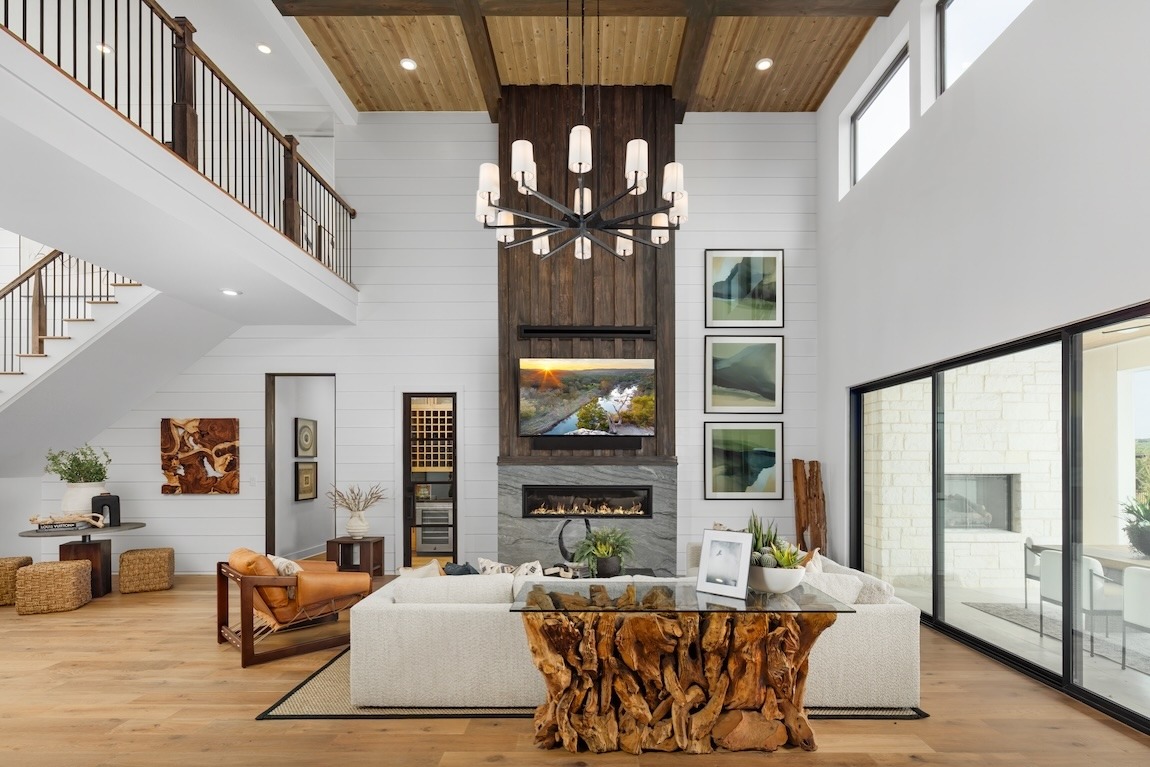
FAQ 7: Can I decorate around a fireplace if a TV is mounted above it?
Yes, but you need discipline. Keep surrounding décor quiet so the wall does not feel crowded. Use lower objects on the mantel, hide cords, and add texture nearby through chairs, textiles, or baskets. Let the television exist without dominating every surface.
FAQ 8: What is the biggest mistake people make with fireplace styling?
Most people ignore scale. They use objects that are too small, too many, or too similar in shape. The fireplace already has presence, so weak décor looks timid beside it. Bigger focal pieces, fewer accessories, and stronger contrast usually solve it quickly.