A living room can have the right sofa, the right rug, and even the right paint color, then still feel oddly flat. The missing piece is often heat with presence. Not just warmth on your skin, but a focal point that makes the whole room exhale. That is why fireplace ideas keep pulling people back in, even when open layouts and giant TVs try to steal the show. A good fireplace gives the room a heartbeat. A bad one turns into a dusty box you apologize for whenever guests come over.
I have seen both. I have watched a plain builder-grade surround drag down an otherwise lovely space, and I have watched a simple stone face make an average room feel expensive, calm, and lived in. The difference usually comes down to choices that look small on paper yet change everything in real life. Scale, finish, styling, and flame type all matter. If you want a room that feels inviting instead of staged, these decisions deserve more than a quick guess. This is where comfort gets designed on purpose.
Start With Shape, Scale, and Room Balance
Most fireplace mistakes begin before décor enters the conversation. People pick a style they like in isolation, then shove it into a room that needs a different shape, width, or visual weight. The result feels off even when every individual piece looks good. Before you think about art, logs, or tile, make the fireplace fit the room’s bones. A small surround gets swallowed by a long wall. An oversized stone mass can bully a compact seating area. Balance comes first, because beauty rarely survives bad proportions.
Match the Fireplace Width to the Wall, Not Your Mood
A fireplace has to earn its place against the wall behind it. That sounds obvious, yet plenty of rooms end up with a firebox that looks stranded in the middle of a giant blank surface. You want enough width to anchor the wall, but not so much bulk that the room starts feeling heavy. The sweet spot depends on ceiling height, nearby windows, and what sits across from it.
I like to treat the fireplace as architecture, not as a piece of furniture. In a narrow room, a vertical design with a taller opening can make the ceiling feel higher without eating all the horizontal space. In a broad room, a longer linear unit can calm the wall and bring modern order to a layout that otherwise feels scattered. The point is not trend-following. The point is proportion.
Think about what your eye sees first when you walk in. If the wall is twelve feet wide and your fireplace looks like an afterthought, it will never carry the room. If the room is modest and the surround spreads like a stage set, you will feel its weight every day. Rooms notice when you overdo it. They never let you forget.
Choose a Height That Works With Furniture and Sightlines
Height is where many good intentions go to die. A mantel placed too high makes the fireplace feel stiff and disconnected from the seating zone. A firebox placed too low can look awkward, especially in a room with larger sectionals or heavier coffee tables. Sightlines matter because you experience the fireplace while sitting, walking, and talking, not just while staring at a design board.
When people plan around a television first, they often push the entire composition upward and lose intimacy. I am not anti-TV over fireplace in every case, but I am anti-neck pain. If you must pair them, keep the design quiet and the scale disciplined. In many rooms, a better move is placing the screen on a side wall and letting the fireplace do what it does best: create mood instead of multitasking itself into mediocrity.
This is also where a cozy living room starts to separate itself from a showroom look. A room meant for actual evenings at home needs a fireplace you can enjoy from the sofa without craning, squinting, or feeling like the flames are miles away. Comfort is visual before it becomes physical. That detail matters more than people admit.
Use the Surround to Set the Room’s Personality
Once the size feels right, the surround decides whether the room reads rustic, tailored, modern, classic, or quietly weird in a good way. This is not a small choice. The surround is basically the fireplace’s voice, and some materials speak too loudly for the room they live in. Others whisper so much they disappear.
A chunky reclaimed beam mantel with handmade brick can feel warm and grounded in a family room with linen chairs, oak floors, and soft light. Put that same setup in a sleek city apartment with slim black windows and polished concrete, and it can look like it wandered in from another address. On the other side, a razor-clean plaster surround with a narrow linear firebox can look elegant in the right space and painfully cold in the wrong one.
You do not need dramatic materials to make an impression. Sometimes painted millwork, simple limestone, or smooth troweled plaster does more than a busy marble slab ever could. Understatement has power. The best surround does not scream, “Look at me.” It makes the whole room feel more sure of itself.
Fireplace Ideas That Make Materials Feel Rich, Not Busy
Once the shape is settled, materials take over the conversation. This is where a room can become layered and memorable, or cluttered and confused. Texture matters because fire already brings motion and light. If every surrounding surface is fighting for attention, the eye gets tired fast. Great fireplace ideas know when to add character and when to shut up. The goal is richness, not noise. You want depth that rewards a second look, not a mash-up of stone, tile, wood, metal, and regret.
Pick One Hero Material and Let Everything Else Support It
The strongest fireplaces usually have one lead material doing the heavy lifting. That might be honed limestone, creamy plaster, dark tile, old brick, or veined marble. Once you choose that hero, everything else should support its mood instead of competing with it. This is where restraint makes a room feel expensive.
I have a soft spot for plaster because it softens edges and reflects light in a forgiving way. In a room with textured curtains and a wool rug, a plaster surround can feel calm without looking plain. Brick has a different pull. It carries memory. Even when it is new, it suggests use, age, and warmth. Marble can be stunning too, but only when the rest of the room knows how to behave.
Too many people panic and start layering extra interest on top of an already strong material. The stone has movement, the tile has pattern, the mantel has distress marks, and the screen has ornate ironwork. That is not richness. That is a committee meeting. Pick your star, then let it have the stage.
Use Color Temperature to Control the Mood
Material choice is not only about texture. It is also about temperature, and I do not mean heat output. I mean whether the fireplace feels warm, cool, relaxed, dramatic, soft, or crisp. Creamy whites, oatmeal stone, clay tones, walnut wood, and aged brass lean welcoming. Charcoal tile, black steel, pale concrete, and icy gray marble feel sharper and more architectural.
Neither direction is wrong. What matters is whether the fireplace belongs to the rest of the room. If your floors are honey-toned oak and your upholstery leans soft beige, a blue-gray stone surround may feel emotionally distant even if it looks pretty online. Rooms are moody like that. They react to temperature shifts before you can explain why something feels off.
This is where design stops being theory and becomes lived experience. A room used for long chats, blankets, and rainy weekends usually benefits from warmth in both color and finish. A room used for entertaining, cocktails, and cleaner lines can handle cooler contrast. The fire already brings amber movement. Build around that truth instead of arguing with it.
Mix Old and New Materials for a Room That Feels Lived In
Some of the best fireplaces look collected rather than perfectly matched. That usually happens when one older-feeling material meets one cleaner, newer finish. Think aged brick with a slim black metal insert. Or smooth plaster with a reclaimed wood mantel. Or honed stone with quiet contemporary sconces. The tension creates life.
A friend once renovated a fairly ordinary suburban living room and left one imperfect brick chimney breast in place while adding built-ins painted a soft mushroom gray. It changed the entire room. The brick gave the space credibility. The paint kept it from feeling theme-y. Nothing looked precious, and that was exactly why it worked.
You do not need a historic home to get that effect. Even newer houses gain soul when every surface is not brand new in the same way. A fireplace is a smart place to introduce that contrast because it naturally attracts the eye. Let one material carry a little age, another carry a little polish, and the room starts telling a more interesting story.
Make the Mantel and Styling Feel Personal Instead of Staged
A fireplace can be beautifully built and still look dead once styling begins. This is where many rooms lose me. The surround is solid, the proportions work, and then somebody lines up fake vases, a generic quote print, and a twig that looks deeply bored. A mantel should feel like part of your life, not part of a store display. The best styling gives the fireplace gravity without turning it into clutter. Personal beats perfect every single time.
Build the Mantel Around One Strong Anchor Piece
Every good mantel needs an anchor. Usually that means one larger piece at the center or slightly off-center: a framed painting, a mirror, a sculptural object, or even a striking wall-mounted light arrangement. Without an anchor, small accessories start floating around like they were placed by someone who feared commitment.
I prefer art over a mirror more often than people expect. Mirrors bounce light, yes, but art gives tone. It tells the room what kind of emotional space this is. A moody landscape can make a stone fireplace feel grounded and thoughtful. An abstract piece can loosen up a traditional mantel and keep it from turning stuffy. One strong choice often does more than ten careful little ones.
After the anchor is in place, everything else should play backup. A small stack of books, a ceramic vessel, maybe a low branch or candlesticks if the season calls for it. Then stop. A mantel is not a garage shelf with better lighting. Leaving space is part of the design.
Style for the Season Without Redecorating the Whole Room
Seasonal styling works best when it nudges the mood instead of shouting a holiday theme from the rooftop. You do not need to swap every object to make the fireplace feel fresh. Change texture, tone, and one or two accents, and the room follows along naturally. It is a lighter lift and a smarter one.
In colder months, I like heavier textures near the hearth: a woven basket for logs, a wool throw on a nearby chair, darker pottery, maybe a brass candleholder that catches firelight after sunset. In warmer months, the same fireplace can feel airy with a lighter print above the mantel, fewer objects, and a cleaner arrangement. The architecture stays. The attitude shifts.
This approach saves the room from costume changes. It also keeps your cozy living room from becoming a cliché of plaid everything the second temperatures drop. Real comfort comes from small signals that the room is in sync with the season, not from buying decorations that live in a bin eleven months of the year.
Let the Area Around the Hearth Do Some of the Work
People fixate on the mantel and forget the space around the fireplace has enormous influence. The hearth, the floor area beside it, and the furniture nearby all shape how the fireplace feels in use. A beautiful surround can still seem cold if nothing around it invites you to stay there.
This is why I care so much about the chair next to the fire, the basket within reach, the side table that can hold a mug without wobbling, and the lamp that softens the edge of the wall at night. These are not extras. They are what make the fireplace part of daily life instead of a feature you admire from across the room.
If you need inspiration beyond your own house, study how editors and stylists frame seating zones in thoughtful interiors, then filter those ideas through your real life. A well-curated interior design resource can spark smart direction, but your room still has to serve your evenings, your habits, and your people. That is the standard that matters.
Choose the Right Flame Type for How You Actually Live
Now for the part people often avoid until the end: what kind of fireplace should you actually install or keep? Wood-burning sounds romantic, and sometimes it is. Gas is easy, and sometimes that convenience wins fair and square. Electric has improved a lot, and dismissing it on instinct is lazy. The right answer depends less on fantasy and more on how you live on a Tuesday night. If the fireplace is hard to use, messy to maintain, or out of sync with your habits, it will not matter how pretty it looks.
Wood-Burning Fireplaces Bring Character but Demand Commitment
A real wood fire has a smell, sound, and rhythm that other options cannot fully copy. The crackle matters. The scent matters. The tiny ritual of building and tending the fire matters. In older homes, that experience can feel deeply right, almost like the room knows what it was made for. When people love wood-burning fireplaces, they really love them.
But here is the honest part: they ask something from you. You need wood storage, cleanup discipline, and a tolerance for ash, smoke, and occasional fuss. Some homeowners adore that ritual. Others love the idea until the second log basket sheds bark on the rug. Romance has limits. Sweeping is one of them.
If you host often, enjoy slow evenings, and do not mind the upkeep, wood can be worth every bit of effort. If your life is more rushed and your patience thinner, pretending you will become a fire-building purist rarely ends well. A gorgeous hearth nobody uses is still wasted potential.
Gas Fireplaces Win on Ease and Everyday Use
Gas fireplaces are easy to dismiss as less soulful, yet I think that criticism often misses the point. A fireplace that turns on in seconds, gives dependable heat, and does not ask you to rearrange your whole evening has real value. For many households, ease is what makes the feature part of daily life instead of an annual event.
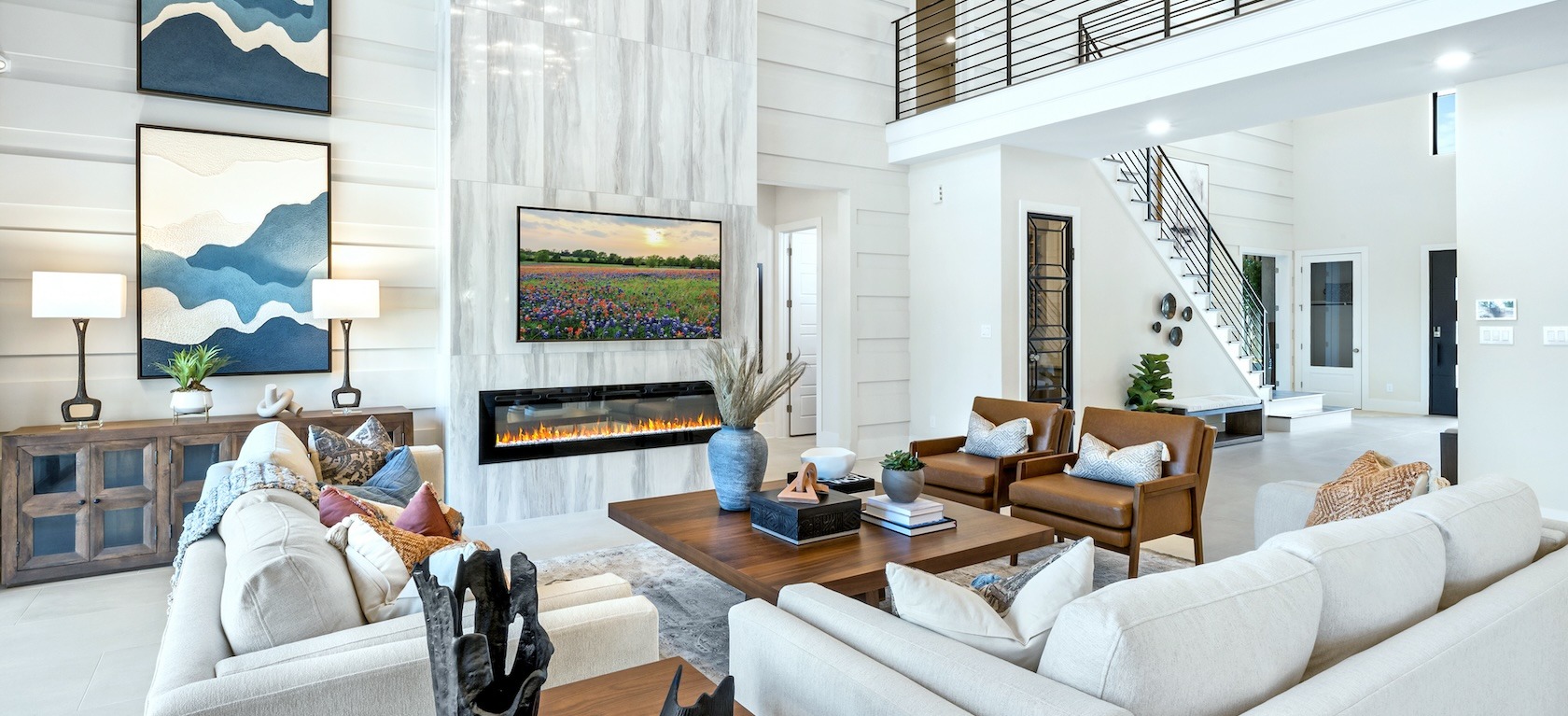
The trick is choosing a gas design that does not look fake from six feet away. Better inserts, cleaner surrounds, and more believable ceramic logs have improved the category a lot. Linear gas units also work well in newer homes where you want a crisp profile without a lot of visual bulk. The technology is not the enemy. Bad styling is.
I have seen families use gas fireplaces far more than their old wood units because there is no setup barrier. You come home, tap a switch, and the room changes mood before dinner is even plated. That matters. Design should meet you where you are, not where your fantasy self lives.
Electric Fireplaces Deserve More Respect Than They Get
Electric fireplaces used to be the punchline option. Many still deserve side-eye, to be fair. But the better models now can create a lovely sense of glow in apartments, condos, media walls, and homes where venting is a headache or full renovation is not on the table. They are not pretending to be old masonry hearths. They are solving a different problem.
When used well, electric fireplaces add atmosphere, visual warmth, and a stronger focal point with far less construction drama. They work especially well in smaller homes where you want that sense of invitation without committing to a major install. Pair one with thoughtful millwork, good lighting, and disciplined styling, and most people will care about the mood more than the mechanism.
That is the larger lesson. A fireplace should fit your actual life. Not your Pinterest board. Not your once-a-year holiday fantasy. Your life. If the flame type lets you use the space more often, relax more easily, and enjoy the room without hassle, it is doing its job beautifully.
Conclusion
The best living rooms do not happen because every object is expensive or trendy. They work because one or two choices carry the emotional weight of the room, and the fireplace is often the biggest of them. When the scale is right, the materials feel grounded, the styling feels personal, and the flame type fits your routine, the whole space starts making sense. That is the difference between a room you walk through and one you drift toward at the end of the day.
The smartest fireplace ideas are not about copying a picture. They are about reading your room honestly. Maybe you need a wider surround to steady the wall. Maybe you need less décor, not more. Maybe the most grown-up choice is admitting a gas or electric unit suits your life better than a wood-burning fantasy. There is no shame in that. A fireplace should earn use, not admiration from a distance.
So take a hard look at your living room and decide what it is missing: structure, warmth, texture, or ease. Then fix that part first. Choose one direction, commit to it, and let the fireplace set the tone. Your next step is simple—pick the idea you would still love on an ordinary Tuesday, then build the room around that truth.
FAQ 1: What are the best fireplace ideas for a small living room?
For a small living room, choose a compact surround, lighter materials, and clean lines. A tall firebox can lift the eye upward, while built-ins add storage without crowding the space. Keep styling simple so the fireplace feels intentional, never cramped.
FAQ 2: Is a wood-burning fireplace better than a gas fireplace?
A wood-burning fireplace feels richer and more traditional, but gas usually wins for convenience. If you want quick heat and regular use, gas makes sense. If you love ritual, scent, and sound, wood offers something special that convenience cannot fully replace.
FAQ 3: How do I decorate a mantel without making it look cluttered?
Start with one anchor piece, then add only a few supporting objects. Vary height, shape, and texture, but leave breathing room. A mantel looks better when it feels edited. The goal is character, not filling every inch with decorative stuff.
FAQ 4: What fireplace surround material looks the most timeless?
Limestone, plaster, brick, and simple painted millwork usually age well because they do not chase a moment. Timeless materials feel quiet, grounded, and easy to live with. They support the room instead of trying to dominate every design decision forever.
FAQ 5: Can an electric fireplace still make a room feel cozy?
Yes, an electric fireplace can still feel cozy when the design around it is thoughtful. Good millwork, warm lighting, soft textures, and balanced proportions do most of the emotional work. People respond to atmosphere first and technical specs second, every time.
FAQ 6: Should I put a TV above the fireplace in my living room?
You can, but only if the viewing height stays comfortable and the fireplace wall does not feel top-heavy. In many rooms, a side-wall television works better. The fireplace should not become a support act unless the layout leaves no better option.
FAQ 7: How often should I change fireplace décor through the year?
You do not need full seasonal makeovers. Shift a few details every few months instead: lighter art, darker pottery, different candles, or a new textile nearby. Small changes keep the fireplace feeling current without turning your living room into a decorating project.
FAQ 8: What makes a fireplace feel expensive even on a budget?
Strong proportion, fewer materials, and disciplined styling make the biggest difference. A modest fireplace can look high-end when the surround suits the room, the mantel is not overloaded, and every nearby piece supports the same mood instead of fighting it.