A fireplace can rescue a room that feels flat, cold, or oddly unfinished. It does not matter whether the flame is real, electric, or purely decorative; once your eye lands there, the whole room starts negotiating with that spot. That is why essential fireplace styling ideas matter more than most people think. They do not just dress a mantel. They set the mood, decide the room’s rhythm, and tell your guests whether your home feels collected or chaotic.
I learned this the hard way after overfilling my own mantel with trendy bits that looked charming one by one and ridiculous together. The room felt busy, not warm. The fix was not buying better stuff. The fix was editing, balancing scale, and understanding what the fireplace should do for the space before tossing objects at it. If you want a home that feels pulled together instead of staged to death, styling your fireplace with intention changes everything. The good news is that you do not need a designer budget or museum-level taste. You need a sharper eye, a bit of restraint, and a few grounded choices that make the room feel lived in, calm, and unmistakably yours.
Start with the fireplace’s real job in the room
Most people style a fireplace like it exists in isolation. That is the first mistake. Your fireplace is not a shelf with heat. It is the visual anchor of the room, and every choice around it either supports that role or fights it. Before you add a single candle, vase, or frame, decide what the fireplace should say. Should it calm the room down, bring character to a newer home, or add polish to a casual family space? Once you answer that, the styling gets easier because you stop decorating from impulse and start decorating with a point of view.
Read the architecture before you add personality
The smartest styling always starts with what is already there. A thick rustic beam mantel wants different treatment than a slim painted surround in a newer build. If you ignore the fireplace’s shape, materials, and scale, even expensive decor can look like it landed from another planet. Style should feel connected, not parachuted in.
A brick fireplace with old texture usually benefits from a lighter touch. You do not need to compete with the brick because the brick is already talking. One oversized art piece, a low ceramic vessel, and a small stack of books can be enough. That quiet approach lets the material breathe, and it keeps the room from feeling like it is shouting for attention.
A smoother stone or plaster fireplace often needs the opposite. It can handle stronger contrast, richer texture, or one bolder focal object because the surround itself reads as cleaner and calmer. This is where essential fireplace styling ideas turn practical: the best styling does not begin with trends, it begins with reading the room correctly.
Let size and proportion make the decisions for you
Bad styling often comes from good taste applied at the wrong scale. Tiny objects scattered across a wide mantel look nervous. One giant mirror shoved over a small fireplace looks bossy. Proportion is not glamorous, but it is the reason one setup feels elegant while another feels accidentally assembled five minutes before company arrived.
I have seen this in compact city apartments where a narrow fireplace sits in a room full of standard-size furniture. People keep adding small decorative pieces because they worry anything larger will overwhelm the space. It usually creates the opposite effect. A larger anchor piece above the mantel, paired with two supporting objects, often makes the entire room feel calmer and more expensive.
Treat the fireplace like a face. The eyes notice balance before they notice detail. That is why a few pieces with proper scale beat a dozen charming miniatures every single time. Small can work, but only when it is grouped with intent. Otherwise, it just looks timid.
Decide the room’s mood before you touch the mantel
A fireplace styling plan without a mood is like cooking without deciding what you are hungry for. You might end up with something edible, but it will not satisfy anyone. Warm and layered feels very different from crisp and tailored, even if both use beautiful objects. You need a target.
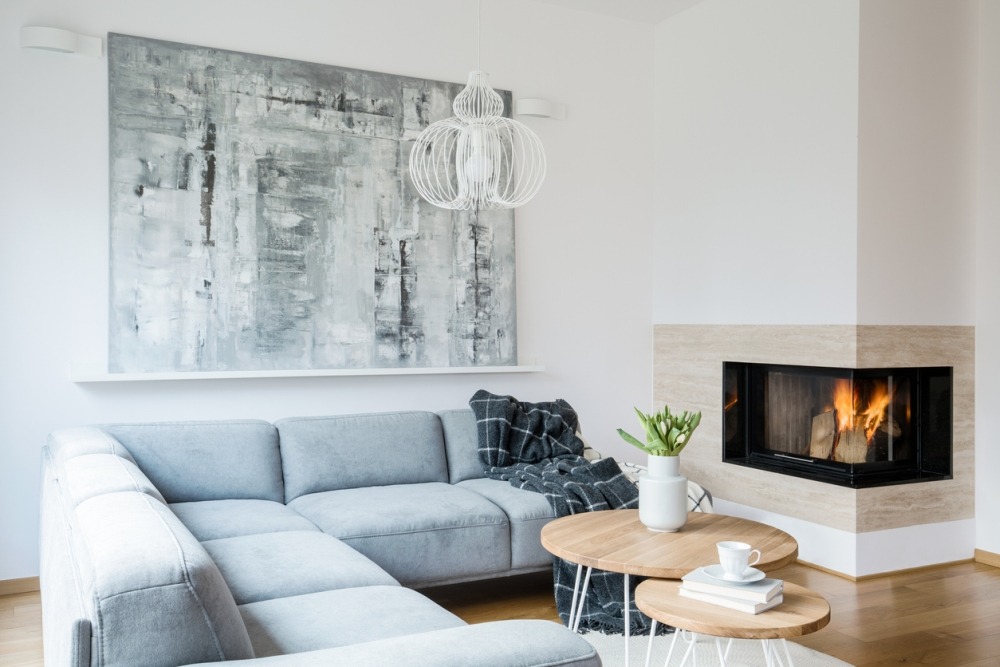
If your home leans relaxed, choose pieces that feel touched by real life: worn wood, handmade pottery, linen-bound books, old brass, and a plant with a little attitude. If your home is cleaner and more modern, go for fewer items with stronger shape. A sculptural vase, a framed abstract piece, and a single dark accent can do more than a crowded lineup of safe choices.
This is where many beautiful homes separate themselves from merely tidy ones. They commit. They do not mix every style they have ever liked into one mantel and call it eclectic. They choose a feeling, then edit until the room supports it.
Build layers that feel rich, not cluttered
Once the foundation makes sense, the next step is layering. This is where a fireplace gets depth and character, and it is also where people usually overdo it. Layering is not piling. The room should feel fuller, not heavier. Good layers create movement for the eye and a sense that the home has been shaped over time, not purchased in one frantic weekend.
Use height, depth, and texture to create visual rhythm
Flat styling dies on the spot. If every object sits in a neat line at the same depth and height, the mantel feels stiff, almost apologetic. The fix is simple: vary heights, overlap forms, and mix textures so the arrangement has a pulse. You want the eye to travel instead of stopping dead.
A framed painting leaning against the wall behind a shorter object adds depth without effort. A rough clay vase next to a polished candlestick gives contrast. A small branch or stem arrangement introduces movement, which matters because fireplaces can sometimes look too solid and static. Those little shifts make the whole setup feel more alive.
In one family room I helped restyle, the mantel had five same-height frames lined up like students at assembly. We removed three, kept one larger frame, leaned it instead of hanging it, and added a weathered bowl plus a tall branch clipping. The room changed in ten minutes. Not because the objects were better, but because the rhythm finally made sense.
Mix materials so the fireplace does not feel one-note
Texture saves a fireplace from looking showroom-perfect and emotionally empty. A room with wood, stone, fabric, metal, and paper feels human because real life is textured. That does not mean you need every finish under the sun. It means you need enough contrast to keep the eye interested.
If your fireplace surround is stone, soften it with fabric nearby. A pleated lampshade, a linen-backed frame, or even a woven basket by the hearth keeps the look from turning hard. If your mantel is painted wood, a little rawness helps. Unglazed ceramics, old books, or a hammered metal object can add grit in the best way.
I am not a fan of styling that looks too polished to survive Tuesday evening. A fireplace should feel like part of your home, not a retail display. That is why layered materials work so well. They add depth without forcing drama, and they make beautiful homes feel believable instead of overly rehearsed.
Keep negative space or the whole thing falls apart
The hardest styling move is often doing less. Negative space sounds abstract, but it is really just breathing room. Without it, even lovely objects become visual noise. Your fireplace needs pauses, just like good music does. Otherwise everything blurs into one tired block of decor.
People get nervous when they see empty areas on a mantel or hearsehelf. They assume the setup is unfinished. Usually it is the opposite. Empty space tells the eye where to rest, which gives the styled pieces more strength. A mantel with three confident objects and open space will almost always look better than one crammed edge to edge.
This matters even more in smaller rooms, where every surface already carries weight. Let the fireplace create calm. A little restraint can make the whole room feel larger, cleaner, and far more intentional. Empty is not wasted. Empty is control.
Style the area around the mantel, not just the top
A lot of homeowners obsess over the mantel and ignore everything else connected to the fireplace. That is like putting on great shoes and forgetting the rest of the outfit. The wall above, the hearth below, the seating around it, and even the nearby lighting all contribute to whether the fireplace feels finished. The mantel may lead the conversation, but the surrounding area decides whether the room believes it.
Choose wall art and mirrors with conviction
The space above the mantel is not filler. It is prime visual real estate, and weak choices show immediately. Too-small art is the repeat offender here. A timid frame over a fireplace looks lost, no matter how lovely the piece is. When in doubt, go larger than feels comfortable. Your room will thank you.
A mirror can brighten a darker room and bounce light around beautifully, but it should not be the default because you ran out of ideas. Pick one because it suits the home. In a traditional room, a mirror with age or character can soften the formality. In a modern room, a simple round mirror can break up rigid lines and introduce a calmer shape.
Art often has more soul, though. A good painting or print above the fireplace can shift the room from pleasant to memorable. It gives people something to feel, not just something to see. If you want inspiration from rooms that balance style and story, this home styling resource is a useful place to explore broader design direction without losing the personal touch that makes a room land.
Use the hearth and floor space as part of the composition
The hearth is frequently treated like leftover space, which is a shame because it can ground the whole fireplace. A basket of logs, even if your fireplace is decorative, adds shape and warmth. A pair of lanterns can give height at a lower level. A low stool, stacked books, or a sculptural firewood holder can make the area feel finished instead of forgotten.
This is especially helpful with taller fireplaces, where all the visual action sits too high. Bringing a little weight downward creates balance. It tells the eye that the fireplace belongs to the room from floor to ceiling, not just from mantel up. That matters more than people realize.
Be selective, though. The hearth should not become a storage zone for random candles, dusty lanterns, and orphaned accessories. A few strong pieces work. More than that, and the room starts looking like it is trying to prove something. It never needs to.
Pull nearby furniture into the fireplace story
A fireplace should influence the seating, not sit there like a separate decorative project. If the chairs face away from it, the rug ignores it, and the lighting does nothing to support it, the room feels divided. The fireplace might still be pretty, but it will not feel central.
Think about conversation first. In a living room, at least some seating should acknowledge the fireplace, even if the television shares the wall. A side table near the hearth with a lamp can make the area glow at night. A chair angled slightly toward the fire immediately makes the room feel more welcoming, even before anyone sits down.
One of my favorite fixes is shifting furniture just a few inches so the fireplace becomes part of the room’s orbit. That tiny move often does more than buying new decor. Styling is not only about objects. Sometimes it is about alignment. Sometimes it is about finally letting the room make sense.
Change the styling with the seasons without starting over
Seasonal styling gets abused. Too many people swing from pumpkins everywhere in autumn to glitter explosions in winter, then wonder why their home feels exhausted by January. A smarter fireplace changes with the year in subtle, grounded ways. The bones stay steady. The accents shift. That approach saves money, cuts clutter, and keeps your room from feeling like a holiday aisle.
Build a timeless base that works all year
Your core fireplace styling should survive every season without needing a full reset. That means choosing anchor pieces you genuinely like, not trend pieces with a short shelf life. A good mirror, a framed artwork, a pair of candlesticks, a ceramic vessel, or a stack of meaningful books can stay in place for months because they are part of the room’s identity.
Once the base works, seasonal updates become easy. In spring, maybe you swap in flowering branches or softer greens. In summer, a lighter bowl, coral-toned book jacket, or woven texture can lift the mood. In autumn, add depth with darker ceramics, a warmer wood note, or dried stems. In winter, candles and richer texture usually do the heavy lifting.
The key is consistency. Your fireplace should still look like your home in every season. Too much switching makes the room feel unstable. A steady base gives you freedom to play without losing the thread.
Add seasonal touches through color and nature, not gimmicks
The easiest way to cheapen a fireplace is to rely on novelty decor that only works for three weeks. Seasonal styling lands better when it borrows from nature and color instead of slogans and themed clutter. Branches, greenery, fruit, dried stems, pine, stone, and textiles do the work with much more grace.
In autumn, I would take a bowl of real pears, a smoky glass candle, and a few rust-colored stems over a mantel full of word signs any day. In winter, evergreen clippings, softer lamp light, and a darker ribbon on an existing wreath can create mood without turning the room into a department store window. Less performance, more atmosphere.
That restraint is what keeps essential fireplace styling ideas useful year after year. You are not trying to win a seasonal decorating contest. You are trying to make your home feel better to live in. There is a difference, and honestly, it shows.
Know when to edit, refresh, or walk away
Not every season needs a full styling session. Sometimes the room only needs one change. A new stem arrangement. A different art lean. One object removed, not added. The biggest decorating mistake is assuming effort must always be visible. It does not. Some of the best rooms feel easy precisely because someone knew when to stop.
I usually suggest taking a phone photo before making changes. It sounds silly, but the camera catches what your eye starts excusing. You will spot crooked balance, dead zones, or an object that suddenly looks far too small. Then you can adjust with a little distance instead of endlessly fiddling in place.
And sometimes the smartest move is leaving the fireplace alone for a while. Really. If the setup works, let it live. A good room does not need to perform new tricks every week. It needs enough confidence to hold its shape.
Conclusion
A well-styled fireplace does more than decorate a wall. It gives your room direction, weight, and a kind of quiet authority that people feel before they can explain it. That is why essential fireplace styling ideas matter so much. They help you stop guessing and start making choices that fit the room, the season, and the life you actually live inside the home.
The biggest shift is not buying more. It is seeing better. Once you understand proportion, mood, texture, and restraint, the fireplace stops being a clutter magnet and starts becoming the heart of the room. You notice what deserves attention, what should move elsewhere, and what never belonged there in the first place. That clarity changes everything.
So take one honest look at your fireplace today. Remove what feels forced, keep what adds real character, and build from there with intention. Do not chase perfect. Chase a room that feels grounded, warm, and unmistakably yours. Then carry that same discipline into the rest of your space, because the homes people remember are not the fanciest ones. They are the ones that feel right.
What are the best fireplace styling ideas for small living rooms?
Start with fewer, larger pieces instead of many tiny items. Use a mirror or bold art above the mantel, keep the hearth simple, and leave breathing room. Small rooms need confidence and restraint, not clutter pretending to look cozy.
How do I style a fireplace mantel without making it look cluttered?
Choose one main anchor piece, add two supporting accents with different heights, and stop early. Leave open space between objects so your eye can rest. A mantel looks polished when each piece feels chosen, not squeezed in.
Should a mirror or art go above a fireplace mantel?
Pick art if you want warmth, story, and personality. Pick a mirror if the room needs light and a sense of space. Neither is automatically better. The right choice depends on your fireplace style, wall height, and room mood.
How often should I change fireplace decor through the year?
Refresh it when the room starts feeling stale, not because the calendar says you should. A strong base can stay year-round. Seasonal shifts should be subtle, usually through stems, candles, texture, or color rather than themed decorative clutter.
What colors work best for fireplace styling in modern homes?
Modern homes usually respond well to warm neutrals, charcoal, soft black, muted green, clay, and natural wood tones. Those shades add depth without chaos. The trick is contrast with control, so the fireplace feels sharp, calm, and inviting.
Can I style an electric fireplace the same way as a traditional one?
Yes, and you should. Treat it as a visual anchor just like a traditional fireplace. Focus on proportion, wall decor, hearth styling, and nearby furniture placement. The flame source matters less than how convincingly the entire area works together.
What should I put on the hearth in front of a fireplace?
Use a few grounded pieces such as a log basket, lanterns, stacked books, or a sculptural stool. Keep the scale generous and the count low. The hearth should support the fireplace visually, not become a dumping ground for extras.
Why does my fireplace decor look nice alone but wrong together?
Your pieces may be fine individually but mismatched in scale, depth, or mood. Styling works when objects relate to each other and the room. Edit harder, vary height and texture, and make sure the fireplace arrangement tells one clear story.