

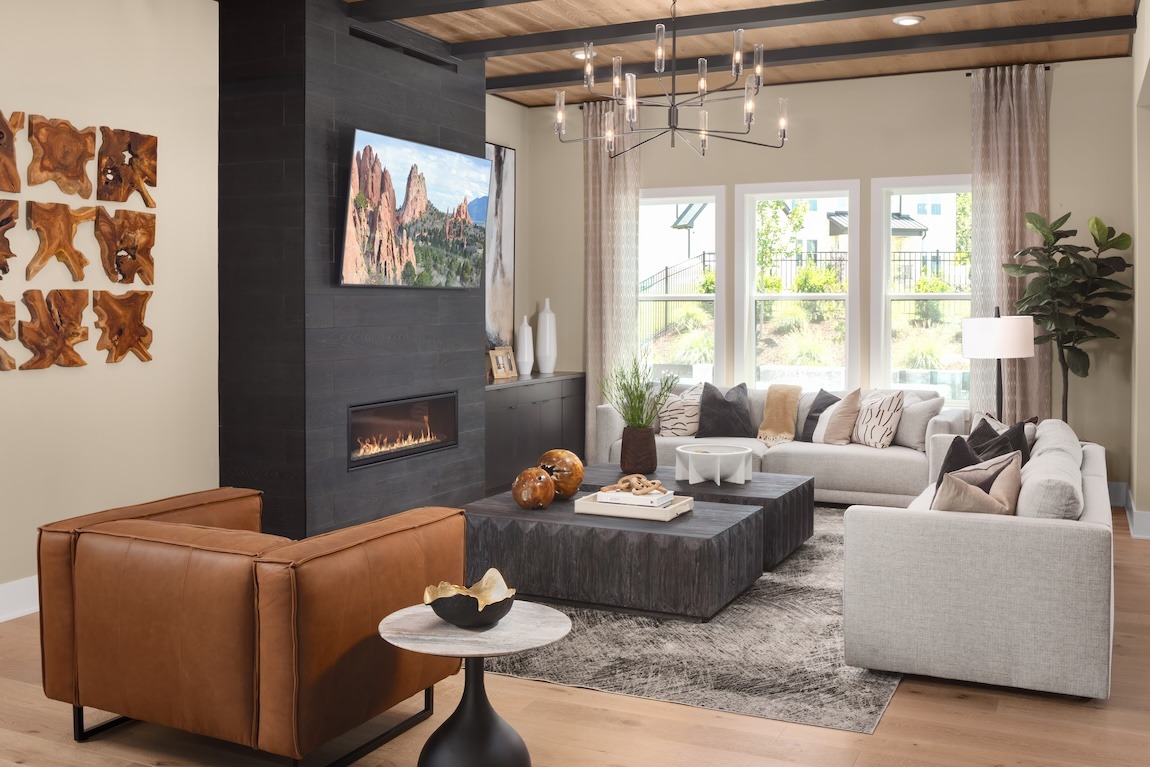
A tired fireplace can drag down an entire room, no matter how expensive your sofa looks or how carefully you fluff the pillows. A great one does the opposite. It anchors the space, sets the mood, and quietly tells everyone you know exactly what you’re doing. That is why fireplace makeover ideas matter more than most people think.
You do not need a full renovation budget to make a fireplace feel current, rich, and deeply personal. You need better choices. The best makeovers do not chase trends for the sake of it. They fix what feels off, sharpen what already works, and turn a neglected wall into the most convincing part of the room. I have seen plain builder-grade fireplaces become the star of a house with nothing more than smarter tile, a stronger mantel, and a bit of nerve.
If your room feels flat, dated, or strangely unfinished, the fireplace may be the missing piece. This is where style gets practical. Heat, texture, storage, lighting, and mood all meet in one spot. Done well, it changes how the whole room lives. Done badly, it sticks out like a borrowed jacket.
Start With Structure Before You Chase Style
Most people rush to paint color or tile shape, then wonder why the finished fireplace still feels awkward. That happens because the bones were wrong from the start. Before you pick finishes, stand back and judge the size, proportions, and placement of the fireplace against the room around it. A makeover works when the structure feels settled, not when the materials scream for attention.
Fix Scale So the Fireplace Feels Intentional
A fireplace that looks too small for the wall creates a weird visual shrug. It does not offend you right away, but it never earns the room either. I once saw a wide living room with a tiny firebox floating under a skinny mantel, and the whole setup looked like it had been installed as an afterthought. The cure was not fancy stone. It was presence.
You can add that presence with simple framing moves. Extend the surround, build out the chimney breast, or add trim that widens the visual footprint. Even a taller mantel shelf can change the balance. The point is to make the fireplace feel connected to the wall instead of stranded on it.
This is where people get timid, and timid design rarely ages well. If the room has tall ceilings, let the fireplace rise with it. If the wall is broad, give the feature enough width to hold the eye. Better to be calm and deliberate than small and apologetic.
Build a Surround That Matches the Room’s Architecture
A fireplace should not look like it came from a different house. That sounds obvious, yet it happens constantly. Sleek slab tile in a cottage living room or ornate carved trim inside a clean-lined new build creates tension that never turns charming. It just reads confused.
Study the language your home already speaks. In a traditional room, paneled millwork, soft edges, and a mantel with some profile usually feel right. In a more modern space, flatter planes, slimmer lines, and fewer decorative interruptions do a better job. The fireplace should echo the architecture without copying it word for word.
You are aiming for continuity, not costume. A good makeover respects the house, then sharpens it. That is the difference between something that looks expensive and something that merely looks new. New fades. Right lasts.
Choose Materials That Add Depth, Not Noise
Once the structure feels right, materials take over. This is where many stylish homes lose the plot. People pile on dramatic tile, a chunky mantel, metallic accessories, and a bold wall color all at once. The fireplace ends up looking busy rather than beautiful. Strong design is not about how many things you can add. It is about knowing what deserves the spotlight.
Use Texture to Create Warmth Without Clutter
Texture does more heavy lifting than color in a fireplace makeover. A matte limewash finish, handmade tile, ribbed stone, or lightly grained wood mantel brings quiet depth that photographs well and lives even better. You feel the difference before you fully register it. That is usually a good sign.
Smooth, glossy materials can look cold when overused, especially in rooms that already have glass, metal, and screens competing for attention. If your living room feels hard, the fireplace is the best place to soften it. A plaster surround or tumbled tile can warm up a room faster than another throw blanket ever will.
The smartest move is restraint. Pick one dominant texture and let it lead. If the tile has movement, keep the mantel simpler. If the mantel carries character, do not force a loud stone around it. Rooms need contrast, yes, but they also need a clear winner.
Pick Colors That Work Year-Round
A fireplace makeover is too visible to be a seasonal mood swing. Deep charcoal can look handsome in winter, but if the rest of the room turns airy in summer, that same surround may suddenly feel heavy. On the other hand, a flat white fireplace can wash out a room that needs more weight. Color must do a long job.
Earth tones tend to earn their keep. Warm taupe, mushroom, olive-gray, soot, clay, and creamy off-white all age with more grace than flashy trend shades. They support changing decor, shifting light, and whatever mood you want the room to carry from January to July.
That does not mean safe equals boring. A dusty green tiled surround with a dark-stained oak mantel can look stunning. So can blackened stone paired with soft walls and linen furniture. The trick is to think in terms of mood, not novelty. You are dressing the heart of the room, not making a billboard.
Turn the Mantel Into a Design Tool, Not a Shelf
A mantel can elevate a fireplace or quietly ruin it. Too many makeovers stop the second the tile is installed, then the mantel becomes a dumping ground for candles, mismatched frames, and seasonal clutter that never quite leaves. A beautiful fireplace needs a point of view above the firebox, not random objects lined up like they missed their train.
Style the Mantel With Restraint and Weight
Good mantel styling depends on shape, scale, and breathing room. Not little trinkets. A larger framed artwork, a substantial mirror, or one sculptural piece often looks better than seven smaller decorations fighting for relevance. You want the eye to rest, then stay awhile.
This is also where you can make your fireplace feel more personal than polished. Maybe that means a vintage oil painting you found for less than dinner out, or a rough ceramic vase that looks slightly imperfect in the best possible way. Perfectly matched decor often feels like it was ordered in one tired click.
Weight matters more than symmetry. A slightly off-center composition with a heavy visual anchor can feel richer than two identical candlesticks pretending to be interesting. Trust tension a little. Rooms come alive when everything is not behaving too neatly.
Add Built-Ins or Side Details That Earn Their Space
If your fireplace sits between blank walls, you are leaving design potential on the table. Built-ins, low cabinets, wood storage niches, or even a single bench can frame the fireplace and turn it into a full composition rather than a lonely feature. This is one of the smartest upgrades for stylish homes that need both beauty and function.
Built-ins do more than hold books. They calm the room. They create rhythm, offer storage, and help the fireplace feel settled in place. A client once added shallow shelving on one side and a closed cabinet on the other because the wall had an offset window. Instead of hiding the asymmetry, we balanced it with purpose. It looked better than perfect symmetry would have.
Even small additions can shift the feel. A stacked log niche beside a gas fireplace adds texture. A stone hearth extension can become a seat during gatherings. When these details work, the fireplace stops being just a feature and starts acting like architecture.
Light, Decor, and Daily Use Decide Whether It Truly Works
A fireplace makeover is not finished when the contractor leaves. The final result depends on how it behaves in real life. Light changes surfaces. Furniture arrangement changes importance. Daily habits change whether the fireplace feels inviting or merely dressed up. This last layer is where the room either becomes magnetic or stays pretty from a distance.
Use Lighting to Pull Out the Best in the Materials
Fireplaces love shadows. That is part of their charm. But bad lighting can flatten beautiful tile, dull textured plaster, and make a carefully chosen mantel disappear by evening. A pair of sconces, directional ceiling lights, or even a nearby floor lamp can draw out shape and depth without turning the area into a stage set.
Warm light works better here than harsh white bulbs. You want the fireplace to glow, not squint at you. If the surround has texture, light from the side will reveal it better than light from directly overhead. That subtle shadow line can make a simple finish look far more expensive.
This is especially important in rooms where the fireplace competes with a television. Soft perimeter lighting helps the fireplace hold its own after dark. Otherwise, the screen wins every time, and your makeover becomes a daytime-only achievement. That is a waste of good design.
Arrange the Room Around Living, Not Just Looking
A fireplace should support the way you actually use the room. Not the way a catalog pretends people live. If the seating ignores the fireplace entirely, then the feature loses power. If every chair points at it so rigidly that conversation feels awkward, that is not better. It is just another kind of mistake.
Think in zones. Let the fireplace be the visual anchor, then angle seating to support both conversation and comfort. A rug that reaches the hearth area, a chair that catches the firelight, or a side table close enough for a mug at night can make the whole setup feel human. That matters more than showroom balance.
This is also the point where honest editing helps. Remove anything near the fireplace that feels fussy, flimsy, or purely decorative. The makeover should make daily life easier and better. For more smart decor inspiration and publishing ideas around home style, explore interior design content resources that show how strong styling choices create a room people actually remember.
Conclusion
The best fireplace updates do not happen because someone bought the most expensive tile in the showroom or copied a photo that looked good on a phone screen. They happen because someone paid attention. They noticed the room’s scale, respected the house, chose materials with patience, and styled the result like a person instead of a catalog. That is what separates a forgettable update from one that changes the whole feel of your home.
If you are serious about creating a room that feels warm, sharp, and fully lived in, start with the fireplace. Few upgrades do more with one wall. The right fireplace makeover ideas can bring order to an awkward layout, personality to a bland room, and comfort to a space that never quite clicked before. That is not hype. It is design doing its actual job.
So do not settle for a fireplace that merely exists. Make it lead. Measure carefully, choose bravely, and edit hard. Then step back and ask the only question that matters: does this room finally feel like yours? If not, keep going until it does.
What are the cheapest fireplace makeover ideas that still look stylish?
Paint, a new mantel, peel-and-stick tile rated for fireplace surrounds, and smarter styling give the biggest visual shift for the least money. The secret is fixing proportions first. Cheap materials look better when the scale feels right and the decor stays restrained.
How do I modernize an old brick fireplace without removing the brick?
You can modernize old brick by painting it, limewashing it, or covering parts of it with plaster while keeping the firebox clear and safe. Add a cleaner mantel and better lighting. The result feels current without erasing the fireplace’s original character.
What color works best for a fireplace in a small living room?
Soft warm neutrals usually win in small living rooms because they add depth without making the fireplace feel heavy. Mushroom, creamy white, taupe, and muted gray-green work well. Dark colors can still work, but only when the room has enough light.
Should the TV go above the fireplace after a makeover?
It can, but only when the viewing height feels comfortable and the fireplace still has visual balance. A chunky mantel, hidden wiring, and thoughtful lighting help. If the television dominates the wall, the makeover starts serving the screen instead of the room.
Is tile, stone, or plaster better for a fireplace surround?
There is no single winner because the room decides. Tile adds pattern and control, stone adds weight and texture, and plaster gives softness with a custom feel. Pick the material that supports your architecture rather than competing with everything around it.
How do I decorate a mantel without making it look cluttered?
Use fewer, larger pieces instead of many small ones. Start with one anchor item, then add one or two supporting objects with different heights. Leave visible empty space. A mantel looks polished when each piece has purpose, not when every inch gets filled.
Do fireplace makeover ideas increase home value or just improve appearance?
They can do both when the upgrade feels timeless and well executed. Buyers notice a strong focal point right away. While it may not return every dollar directly, a better fireplace often helps the whole room feel finished, desirable, and easier to sell.
What makes fireplace designs feel high-end in stylish homes?
High-end fireplaces usually get scale, texture, and restraint right. The materials feel considered, the mantel suits the room, and the styling avoids clutter. Nothing looks forced. That calm confidence is what gives stylish homes their expensive, memorable atmosphere.