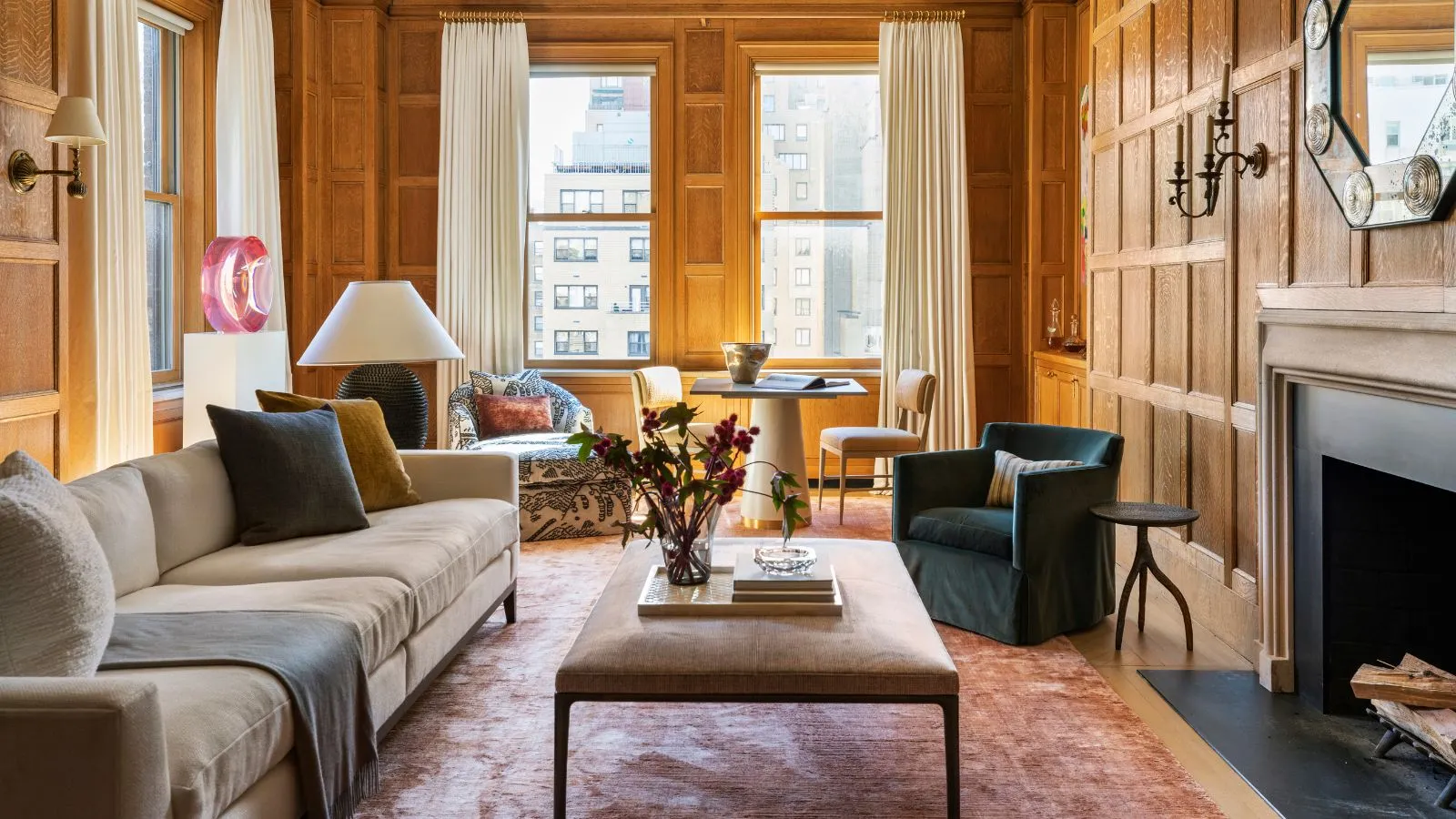
A fireplace can still steal a room without looking like it wandered in from 2006. That is the tension in many homes right now: you want warmth, character, and comfort, but you do not want bulky mantels, dusty faux-Tuscan details, or styling that feels copied from a showroom. You want the room to feel lived in and sharp at the same time.
That is why fireplace decor trends matter more than people admit. The fireplace often sits at eye level, dead center, asking for a decision. Ignore it, and the whole room feels unfinished. Overstyle it, and the space starts performing instead of living. The sweet spot is calmer than most trend posts suggest.
What works today is not louder decor. It is better judgment. Cleaner lines, smarter materials, warmer lighting, and a tighter edit make a stronger impression than piles of objects ever will. The homes getting attention now feel intentional, not busy. They look modern, but still human.
If you are reworking your space, treat the fireplace as the room’s anchor, not its costume rack. Once you make that mental shift, the choices get easier, the room gets lighter, and your design stops trying so hard.
Fireplace Decor Trends That Favor Restraint Over Clutter
The strongest rooms right now are refusing the old habit of stuffing every inch of the mantel with candles, frames, signs, and seasonal extras. A modern fireplace looks better when it has breathing room. That does not mean cold or empty. It means every piece has a job, and nothing stays just because you already own it.
Why edited styling feels more expensive
A room looks richer when your eye has somewhere to rest. I have seen modest apartments pull off a better fireplace wall than oversized custom homes simply because the styling stayed disciplined. One sculptural vase, a low stack of books, and a single artwork can do more than twelve decorative objects fighting for attention.
That restraint changes how materials read. Stone feels more textured. Painted brick looks cleaner. Wood mantels gain presence because you are not burying them under filler. The trick is not adding more “decor.” The trick is letting the right element carry the weight.
You should also stop treating symmetry like a law. Perfectly matched candlesticks and identical objects on both sides can make a fireplace feel stiff fast. A slightly off-balance arrangement often feels more current because it mirrors how real people actually live.
The rise of negative space and visual calm
Blank space has become part of the design, and that is a good thing. When the wall around the fireplace has a little quiet, the whole room reads as calmer. That matters in modern homes where open plans, screens, and constant noise already keep your brain busy enough.
Negative space works especially well with slim-profile fireplaces, plaster finishes, and floating shelves. Instead of cramming the wall, you create a small visual pause. That pause makes nearby textures, light, and furniture look more deliberate. It is subtle, but it changes the mood.
You do not need a giant renovation to get there. Remove half the objects, keep one larger statement piece, and step back. Most people improve a fireplace the moment they stop decorating every corner like it owes them rent.
Color and Material Choices Are Getting Warmer, Not Colder
For a while, modern meant gray everything. Gray stone, gray walls, gray tile, gray sofas. The result often looked tidy in photos and oddly lifeless in person. The current shift is better: warmer neutrals, tactile finishes, and materials that feel grounded instead of sterile.
Soft limestone tones, creamy plaster, natural oak, muted bronze, and deep charcoal now carry the room without flattening it. These surfaces age better because they feel less trend-chasing and more architectural. You can live with them instead of constantly trying to update them.
Limewash, plaster, and stone are winning for a reason
Textured finishes have taken over because they add interest without shouting. A limewashed or plastered fireplace catches light in a softer way than glossy tile, and the effect feels grown-up. It is the difference between a wall that looks decorated and one that feels built.
Natural stone is still strong, but the finish matters. Honed surfaces usually feel more modern than shiny ones. Subtle veining and tonal movement beat loud patterns because they support the room rather than hijack it. That balance is exactly why designers keep coming back to these materials.
This is also where a lot of people go wrong with “modern fireplace styling.” They chase a dramatic material without thinking about how it will live with the sofa, flooring, and daylight. A fireplace should connect the room, not start an argument with it.
Black accents still work, but only with warmth nearby
Black trim, firebox frames, sconces, and screens still look strong. The problem starts when black becomes the whole personality. Too much of it can make a fireplace wall feel severe, especially in small rooms or homes with weak natural light.
The better move is contrast with softness. Pair black accents with warm wood, off-white walls, aged brass, or earthy textiles. That keeps the fireplace crisp without pushing the room into that overly staged “modern farmhouse but make it moody” territory people are already getting tired of.
Think about proportion, too. A slim black frame can sharpen a pale fireplace beautifully. A heavy black mantel in a tight room can feel like a visual brick. Same color. Very different result. Context wins every time.
Lighting, Art, and Scale Are Replacing Overdecorated Mantels
People used to style fireplaces like gift tables at a wedding. Now the smarter move is using fewer pieces with better scale. Art, lighting, and one or two grounded objects can create far more authority than a dozen tiny accessories lined up out of habit.
This shift matters because small decor often makes the fireplace feel smaller. Large visual gestures do the opposite. A tall artwork, a pair of sconces, or a long mirror can stretch the architecture and give the whole wall more confidence. That is a much better bargain than buying more little things.
Oversized art is doing the heavy lifting
One large piece above the fireplace can settle a room in seconds. It tells the eye where to go, and it removes the urge to keep adding filler around it. That is why oversized art keeps showing up in the strongest living rooms, especially when the palette stays quiet and the frame stays slim.
You do not need museum-level drama. Even a simple abstract, a tonal landscape, or a textured canvas can work if the proportions are right. Too small is the real mistake. Tiny art above a fireplace usually looks apologetic, like it lost the nerve to commit.
I am especially fond of art that feels a little imperfect here. Something with brush texture, rough edges, or handmade energy keeps a modern room from feeling too polished. Clean does not have to mean bloodless.
Sconces and layered light make the wall feel intentional
A fireplace without thoughtful lighting can flatten at night, which is when you actually want it to feel best. That is why wall sconces, picture lights, and nearby lamps have become such smart additions. They give the fireplace a role after sunset, not just during daylight hours.
Sconces help frame the wall without adding clutter, and they work across styles. Slim aged-brass fixtures warm up plaster and stone. Matte black sconces sharpen a softer palette. Even a nearby floor lamp can help if it throws light across the surface rather than leaving it in shadow.
This is where a design resource like smart home decor guidance can help you think through the relationship between lighting, scale, and mood before you start buying things randomly. Good rooms are rarely accidents. They are edited decisions made in the right order.
Functional Styling Is Pushing Out Pure Decoration
The biggest change in modern interiors is not that people want less beauty. It is that they want beauty to earn its place. Fireplace styling now leans toward objects that feel useful, grounded, or personally meaningful instead of generic shelf-fillers bought in a panic.
That means real baskets for wood, a sturdy bench nearby, a ceramic vessel that actually holds branches, or books you would read again. Function gives a room honesty. When a fireplace area feels honest, it also feels more relaxed, and relaxed rooms almost always look better.
This trend matters most in family homes, apartments, and smaller spaces where every item affects flow. You cannot afford décor that only exists for a photo. Your room has to live well on an ordinary Tuesday, not just during a holiday visit.
Built-ins, benches, and storage are becoming part of the look
Fireplace walls now often include integrated shelves, low cabinets, or benches, and that is not just for show. These additions help the wall feel complete while giving you somewhere to put the things real life requires. Blankets, books, games, media gear, even pet supplies need a home.
The best versions avoid that overloaded custom look. Shelves stay sparse. Cabinets disappear into the wall color. Benches read as architecture rather than furniture shoved into leftover space. It feels cleaner, and it reduces the urge to use the mantel as a storage shelf in disguise.
A good example is the modern family room where the fireplace sits between low oak cabinets, with one open shelf per side and just a few objects on display. It works because it solves a problem while keeping the wall calm. Useful can be beautiful.
Personal objects beat generic showroom pieces
Mass-market decor has a tell. You feel it the second you walk in. The room is technically polished, yet nothing in it seems to belong to anyone. Fireplace areas are especially vulnerable because people often style them last, then buy a pile of safe objects to “finish” the space.
Personal pieces fix that fast. A framed photograph you actually love, a bowl picked up while traveling, a handmade ceramic from a local market, or a stack of old books with worn spines carries more life than expensive filler. It creates memory, and memory gives rooms depth.
This does not mean turning the mantel into a scrapbook. Keep the edit tight. But choose at least one object that could not be swapped into every other house on the street. That is how style becomes yours instead of just competent.
Seasonal Flexibility Matters More Than Trend Chasing
The smartest fireplace spaces now adapt easily through the year. That does not mean a full seasonal makeover with bins of themed accessories. It means the core design stays strong while a few small shifts change the atmosphere. That approach saves money, reduces clutter, and keeps your room from feeling dated by next spring.
This is also where many trend-driven rooms fall apart. They look great for one season, one holiday, or one social post, then spend the rest of the year feeling wrong. A modern space should have enough backbone to handle change without asking you to rebuild the whole wall every quarter.
Small seasonal swaps keep the room alive
A fireplace should not need a costume change every month. It needs a few smart switches. In colder months, that might mean darker candles, fuller branches, heavier textures, and a richer palette around the hearth. In warmer months, you lighten the mood with airy ceramics, softer greenery, and fewer dense materials.
The point is not decoration for its own sake. The point is emotional temperature. You want the room to feel in season without announcing it like a store window. That is a real distinction, and it keeps your home from sliding into gimmick territory.
This is another place where fireplace decor trends can mislead people. Trends move fast, but your home should not have to sprint after them. Use them as a filter for ideas, not as orders you must follow.
Designing for longevity beats chasing the algorithm
Social media pushes fast answers, but fireplaces are slow design. They sit in the room year after year. That is exactly why you should be suspicious of anything that looks impressive only because it is loud, extreme, or instantly obvious on a phone screen.
Longevity comes from good proportion, layered texture, and restraint. A soft plaster finish, a properly scaled art piece, a warm wood tone, and thoughtful lighting will outlast most viral styling hacks. You may tweak the accessories later, but the bones stay solid.
The same logic applies to safety and upkeep. If you are using a working fireplace, keep styling clear of heat risk and follow practical guidance from the National Fire Protection Association. Style should never ask you to ignore common sense. Pretty nonsense is still nonsense.
Conclusion
A modern fireplace does not need more stuff. It needs more intention. That is the real shift hiding underneath all the photos, reels, and trend roundups. The rooms people remember are not the ones packed with decorative tricks. They are the ones that feel calm, warm, and sure of themselves.
If you want your space to feel current, start by editing, not shopping. Clear the clutter, choose stronger materials, respect scale, and use lighting like it matters. Then add only what deepens the room. A fireplace should hold attention because it has presence, not because it is begging for it.
The best fireplace decor trends are not about copying a look from someone else’s living room. They are about building a space that fits your habits, your light, your home, and your taste. That is why the winning rooms right now feel less performative and more personal.
So take one hard look at your fireplace this week. Remove what is not working, keep what has weight, and make one bold, smart change that brings the wall into the present. Your room will tell you right away whether you got it right.
What are the top modern fireplace decor trends right now?
Modern fireplace decor leans toward plaster finishes, warm stone, oversized art, slim black accents, and fewer accessories. The goal is a calmer wall with stronger materials, better lighting, and personal objects that feel intentional instead of staged or overly matched everywhere.
How do I decorate a fireplace without making it look cluttered?
Start by removing half your current decor, then keep one large focal piece and two supporting items. Use open space on purpose. A fireplace usually looks better with stronger scale, cleaner lines, and fewer objects than most people think possible today.
Is a mirror or artwork better above a modern fireplace?
Artwork usually feels more grounded and personal, while mirrors bounce light and help smaller rooms. The better choice depends on your layout. If the room already has enough shine and reflection, art often gives the fireplace more character and visual steadiness.
What colors make a fireplace look modern but still warm?
Creamy white, soft taupe, clay, charcoal, natural oak, and muted bronze work beautifully. These shades keep the fireplace fresh without making it feel cold. Warm neutrals and dark accents together usually create a better balance than an all-gray palette ever could.
Can I style a modern fireplace on a small budget?
Yes, because good styling depends more on editing than spending. Paint, one larger art piece, thrifted ceramics, stacked books, and better lighting can completely shift the look. A fireplace improves fast when you stop buying filler and start choosing with discipline.
Should every fireplace mantel be styled symmetrically?
No. Symmetry can work, but it often feels stiff in modern rooms. A slightly uneven arrangement with balanced visual weight tends to look more relaxed and current. What matters most is proportion, breathing room, and whether the styling supports the room naturally.
How often should I change fireplace decor through the year?
You do not need a full reset every season. Change a few details instead, like branches, candles, textiles, or tonal accents. The core styling should stay strong year-round, while smaller swaps shift the mood and keep the fireplace feeling fresh.
What is the biggest mistake people make with fireplace styling?
The biggest mistake is adding too many small decorative items with no clear focal point. That instantly weakens the wall. Most fireplaces improve when you scale up one element, remove clutter, and let the material, shape, and lighting do more work.