

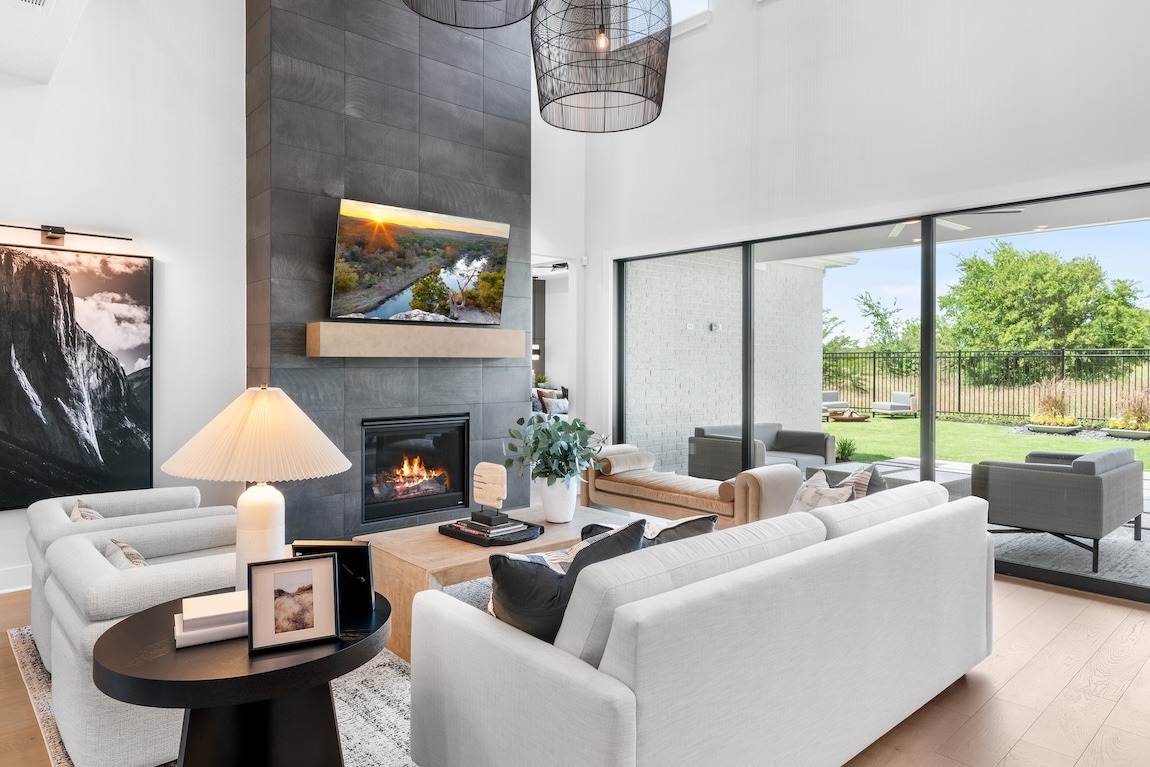
A fireplace can make a room feel expensive, calm, and lived in, or it can make the whole place look like a shelf exploded in public. That is the truth nobody tells you when you start decorating one. The good news is that you do not need a designer budget, a giant mantel, or a cabin in the woods to get it right. You need restraint, a little nerve, and a clear idea of what your room is already trying to say. When you style a fireplace, you are not decorating one narrow ledge. You are setting the visual mood for the entire space around it, from the seating layout to the colors your eye keeps returning to. The smartest styling feels natural, almost inevitable, like the room always wanted to look this way. Seasonal changes matter, but they should never turn your home into a stage set. A good fireplace evolves with the year without losing its backbone. That is the real goal here: a setup that feels fresh in spring, relaxed in summer, grounded in fall, and warm in winter, while still looking like you live there.
How to Style a Fireplace That Works in Any Room
Before you swap wreaths, candles, branches, or holiday pieces, you need a base that makes sense in every month of the year. The strongest fireplace styling starts with proportion, balance, and a little honesty about your space. A tiny city apartment should not pretend it belongs in a mountain lodge, and a grand traditional mantel looks sad when dressed like a discount showroom display. Good taste starts with reading the room as it is, not as some mood board fantasy. Once that base is set, seasonal changes become easy, because you are layering on top of something stable instead of fixing fresh mistakes every three months.
Read the room before touching the mantel
Your fireplace does not live alone. It shares the room with your sofa, art, rugs, lamps, and the daily mess of actual life. That means the first job is not buying decor. The first job is noticing what already feels heavy, what feels bare, and where the eye lands the second you walk in.
A black firebox under a white mantel creates instant contrast, so the styling above it can stay softer. A chunky stone surround already brings texture, which means glossy accessories often look forced there. In a cleaner modern room, the reverse works better. That is why copying a pretty photo rarely ends well in real houses.
Scale decides almost everything. If your mantel is narrow, stop trying to cram seven objects onto it and calling that a look. One large framed print, a squat vase, and a low bowl will beat a row of tiny trinkets every single time. Small pieces create visual static. Big shapes bring calm.
Build around one anchor piece
Every great fireplace arrangement needs one item that tells the rest of the display how to behave. It might be a large mirror, an oversized artwork, a sculptural vase, or even a striking clock if your room leans classic. Pick one, then let everything else play support.
People often decorate a mantel the way they pack a suitcase at the last minute. They shove in whatever fits. That is how you end up with candles, dried flowers, family photos, bead garlands, and one confused ceramic bird all competing for oxygen. A fireplace needs hierarchy. One leader. A few supporting players. Then stop.
This is also where personal style finally matters more than trends. If your home feels clean and modern, use an anchor piece with sharp shape or strong negative space. If your home feels layered and older, choose something with character, age, or visible texture. For ideas that do not feel canned, I like browsing home styling inspiration that focuses on mood, not just product piles.
Spring and Summer Fireplace Styling That Feels Alive
Once your base is settled, warm-weather styling should make the room breathe again. Spring and summer are not an excuse to drape your mantel in fake flowers and call it cheerful. They are a chance to lighten the visual weight around the fireplace so the whole room feels more open, cleaner, and easier to sit in. This is where many people go too literal with the season and lose the room’s character. You do not need “spring decor.” You need lift, air, and a little sunlight reflected back into the space.
Use lighter materials, not louder colors
Spring works best when you swap density for softness. Heavy dark wood frames, thick winter garlands, and bulky candle clusters can come off the mantel for a while. Replace them with ceramic, glass, pale wood, linen, or one piece with a chalky finish that catches daylight without shouting for attention.
Color matters, but not the way most people think. You do not need a parade of pastel accessories to announce that the weather changed. A room feels fresher when you edit the palette, not when you add noise. Think muted greens, warm whites, soft clay, faded blue, or the color of dried oat grass. Those tones feel seasonal without looking like props.
This is where seasonal fireplace decor usually goes wrong. People assume changing seasons means changing personality. It does not. Your home should still look like your home in May. It should simply feel a little lighter on its feet, like it opened a window and remembered how to relax.
Let greenery, mirrors, and empty space do the work
A fireplace in spring or summer does not need to be packed to feel finished. In fact, the emptier version often looks richer. A simple branch arrangement, a lean mirror, or a few leafy stems in an imperfect vessel can create more movement than a crowded display of themed objects.
Greenery works because it brings life without asking for much. Olive branches, eucalyptus, magnolia leaves, or backyard cuttings all do the job, especially when the container has some weight and shape. Fresh stems are lovely, but a good faux branch is fine if it looks believable from where people actually sit. Pride should not make your decorating harder.
Mirrors help too, especially if the fireplace sits across from a window or beside a darker corner. They bounce light, stretch the room, and make the mantel feel less fixed. Leave some negative space around the main pieces. That gap is not unfinished. It is breathing room, and it gives the whole setup more confidence.
Fall and Winter Styling Should Add Warmth, Not Panic
When the weather turns, people suddenly act like every fireplace must become a shrine to coziness. That is how you get piles of pumpkins, dense garlands, tartan everywhere, and enough candles to start a small village ritual. Warmth matters, yes, but the best cold-season styling feels grounded rather than frantic. You want the room to feel richer, deeper, and more comforting, not overloaded. Fall and winter are about texture, glow, and visual weight used with care, not seasonal clutter stacked in layers until the mantel disappears.
Choose texture that feels real
Cold-weather styling improves the moment you stop chasing themes and start chasing materials. A worn wood frame, a hammered brass candleholder, a dark ceramic vase, a folded wool throw nearby, or a stone bowl filled with dried seed pods will take you much farther than novelty decor ever will.
Texture does the emotional work in fall and winter. Nubby fabric, matte surfaces, aged metal, smoked glass, and rough branches all create the feeling people are actually after. You are not trying to make the room look festive every day from October to January. You are trying to make it feel settled, quieter, and a little protected from the weather outside.
That is why good seasonal fireplace decor often looks less “seasonal” than people expect. The best version does not scream autumn leaves or winter magic. It whispers depth. It says the room is ready for slower evenings, heavier socks, and one more hour on the sofa than you planned.
Use glow and function together
A fireplace becomes more powerful in cold months because it already promises comfort, even when you are not burning real wood. Lean into that promise. Candles, lanterns, stacked logs, or a neatly arranged basket of blankets nearby can make the area feel useful as well as beautiful.
Function has style built into it when you choose the right pieces. A brass log holder beside the hearth looks handsome because it belongs there. A low stool with books and a mug works because people can imagine using it. The room starts to feel more believable, and believable always beats decorative theater.
Lighting deserves real thought here. Overhead glare kills mood faster than bad styling. Add soft side lighting near the fireplace, let candlelight take over in the evening, and use the darker months to create contrast instead of fighting it. A good winter room does not try to look bright all the time. It glows where it counts.
Make Seasonal Changes Without Starting from Scratch
Here is the part that saves time, money, and your patience: you do not need a brand-new fireplace look for every season. You need a repeatable system. Once you know which pieces stay all year and which ones rotate, styling stops feeling like homework. This matters now more than ever because people are tired of buying decor that lasts six weeks and then lives in a storage bin for the rest of the year. A better approach gives you freshness without waste, and it keeps your room from changing personality every quarter.
Create a core kit and a swap kit
The smartest homes keep a few permanent mantel pieces that work in every season. Think one anchor artwork or mirror, one strong vessel, and maybe a pair of candleholders or a low sculptural object. Those core pieces build continuity. They are the bones. Leave them alone unless the room itself changes.
Then create a small swap kit with seasonal items that are easy to rotate. In spring, that might be leafy stems and a lighter object on one side. In summer, maybe coral-toned pottery or driftwood. In fall, dried branches or darker candles. In winter, evergreen cuttings and something metallic for warmth. Four or five pieces per season is plenty.
The beauty of this system is that it keeps you honest. When you know you only have a few slots to fill, you choose better things. You stop impulse-buying random decor because it has a pumpkin on it or because some store styled it under flattering lights. Limits sharpen taste. That is useful far beyond the mantel.
Know when the fireplace is finished
The hardest part of decorating is not starting. It is stopping. A fireplace often looks best about ten minutes before people decide it needs one more thing. That extra thing is usually the mistake. Too many objects flatten the arrangement, because nothing gets to matter.
Step back and check three things. First, does your eye know where to land? Second, do the heights vary enough to create movement? Third, does anything look like it wandered in from another room without permission? If the answer to the last one is yes, remove it and do not negotiate with yourself about it.
This is also where taste grows up a little. You stop asking whether the mantel looks “decorated enough” and start asking whether it feels settled, clear, and true to the room. That shift changes everything. Rooms improve when you quit decorating for approval and start editing for peace.
The Best Fireplace Style Lasts Longer Than a Season
A well-dressed fireplace does more than mark the time of year. It teaches the whole room how to behave. When the balance is right, the seating feels calmer, the lighting looks softer, and even everyday clutter seems less chaotic because the room has a visual center that holds its ground. That is why this project matters more than people think. It is not about fluff. It is about atmosphere, and atmosphere changes how a home feels to live in. The best version is never the busiest one. It is the one that knows what to leave out. When you style a fireplace with a steady base, a few thoughtful seasonal shifts, and the confidence to stop before it gets crowded, you end up with something far better than a pretty mantel. You build a rhythm for the room. Start with one honest edit this week: remove what feels forced, keep what earns its place, and add only what deepens the mood. Your next step is simple. Stand in front of your fireplace, look at it like a stranger would, and make it tell the right story.
FAQ 1: How do I decorate a fireplace mantel without making it look cluttered?
Start with one large anchor item, then add two or three supporting pieces with different heights. Leave open space between objects so the eye can rest. A mantel looks polished when every item has a reason to be there.
FAQ 2: What should I put on my fireplace in spring and summer?
Use lighter materials, soft colors, and simple greenery instead of heavy seasonal props. A mirror, ceramic vase, and a few fresh or realistic faux stems usually feel enough. Warm-weather styling should open the room up, not crowd the mantel visually.
FAQ 3: How can I make my fireplace look cozy for fall and winter?
Bring in texture first, then glow. Think darker ceramics, brass, wood, wool, candles, and a basket of blankets nearby. The space feels cozy when it looks useful and warm, not when it is stuffed with themed decorations from corner to corner.
FAQ 4: Do I need a mirror above the fireplace to make it look stylish?
No, but a mirror is an easy win when you want more light and height. Artwork, a sculptural piece, or even a vintage clock can work just as well. The right choice depends on your room’s mood, scale, and architecture.
FAQ 5: How often should I change my fireplace decor during the year?
You do not need full makeovers every season. Small updates four times a year are enough for most homes. Keep your main anchor pieces in place, then rotate a few accents, branches, candles, or colors to reflect changing light and weather.
FAQ 6: What colors work best when styling a fireplace for every season?
Stick with flexible base tones like white, black, wood, clay, stone, muted green, and soft brass. Those colors shift well across the year. Then add small seasonal notes through foliage, candles, or textiles instead of repainting the whole visual story.
FAQ 7: Should I decorate the hearth as well as the mantel?
Yes, if the hearth has space and your layout can handle it. A log basket, lanterns, stacked books, or a low plant can ground the area nicely. Keep it simple though, because a crowded hearth quickly makes the whole fireplace feel heavy.
FAQ 8: What is the biggest mistake people make when styling a fireplace?
They add too many small objects and hope the collection feels intentional. It rarely does. The better move is choosing fewer, stronger pieces with shape, texture, and contrast. A fireplace needs visual clarity more than it needs endless decorative enthusiasm.