

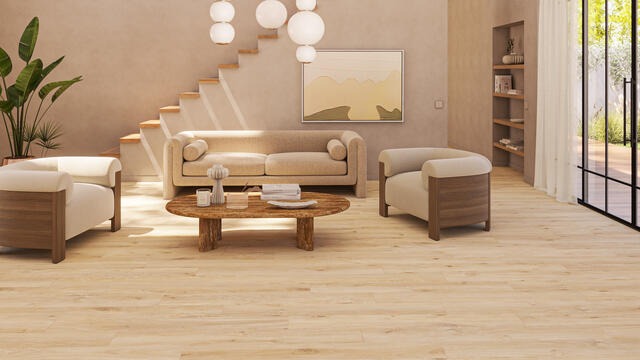
A living room floor takes more abuse than most people admit. Shoes drag in grit, pets sprint across corners, kids drop toys, furniture shifts, and weekend guests never think twice about what is under their feet. That is why choosing hardwood floors for this space is not only about beauty. It is about picking wood, finish, layout, and care habits that can stand up to real American home life. A glossy showroom board may look perfect under soft lighting, but your living room has a harder job. It has to survive daily traffic without making the whole room feel precious or off-limits. Many homeowners now compare flooring choices through practical home improvement resources before spending thousands on materials and installation. That is smart, because the wrong floor can look tired long before the mortgage statement does. The right one, though, grows into the house. It gains warmth, character, and that lived-in confidence cheap surfaces never copy well.
Why Hardwood Floors Can Work in Busy Living Rooms
A busy living room does not automatically rule out wood. The real mistake is treating every wood floor as if it performs the same way. Species hardness, plank width, finish type, color, and maintenance all decide whether the floor ages with dignity or starts begging for help after one holiday season.
How wood hardness changes daily wear
Hardness matters because living rooms collect movement from every direction. Red oak, white oak, hickory, maple, and ash often make more sense than softer woods in homes where people wear shoes indoors or pets have open access. A soft pine floor can look charming in a quiet cottage, but it will show dents fast in a suburban family room with a sectional, a coffee table, and three kids racing through after school.
White oak has become a favorite in many U.S. homes because it balances strength with style. It resists daily wear better than many softer choices, and its grain hides small marks without looking too busy. That matters more than people think. A floor that hides ordinary life feels easier to live with.
Hickory goes even harder, but its bold grain can take over a calm living room. That is not a flaw. It is a design choice. In a Colorado mountain home or a Texas farmhouse-style space, hickory can feel right at home. In a small city apartment with clean-lined furniture, it may feel louder than the room needs.
Why finish quality matters more than shine
Finish protects the surface, not the species name printed on the invoice. A strong factory-applied finish can often outlast a site-finished floor in a high-use room because it cures under controlled conditions. That gives the surface better resistance against scratching, fading, and dull traffic lanes.
A lower-sheen finish usually performs better visually in a family living room. High gloss shows dust, paw marks, footprints, and fine scratches with no mercy. Satin or matte finishes forgive more. They also make durable wood flooring feel warmer and less formal, which suits how most Americans use living rooms now.
The counterintuitive part is simple: the floor that looks less “perfect” on day one may look better after five years. A soft sheen, visible grain, and natural color variation help wear blend into the design. Perfection is fragile. Texture is practical.
Choosing Hardwood Floors for Heavy Foot Traffic
Picking materials for heavy foot traffic means thinking beyond the sample board. A two-inch flooring piece at the store cannot tell you how the whole room will behave with sunlight, furniture legs, pet nails, and everyday grit. You need to judge the floor as a system, not as a pretty swatch.
Which wood species hold up best?
White oak is one of the safest choices for living rooms because it gives you strength without forcing one style. It works in colonial homes, ranch houses, newer builds, and open-plan suburban spaces. Its grain has enough movement to hide wear but not so much that it fights your furniture.
Maple offers a cleaner look, but it can show scratches because its grain is tighter. That makes it better for households that want a pale, smooth floor and have a lower-chaos routine. Hickory handles abuse well, though its color contrast can feel rustic. Red oak remains common because it is available, familiar, and repair-friendly.
Brazilian cherry and other exotic woods can be hard, but hardness alone does not solve every problem. Some dark woods show scratches more sharply because the exposed mark contrasts with the stain or natural tone. A floor can be hard and still look worn if the color works against you.
How plank width affects wear patterns
Wide planks look rich, but they also make movement more visible when humidity changes. In many parts of the U.S., from humid Georgia summers to dry Minnesota winters, wood expands and contracts. Wider boards can show gaps or cupping more than narrow ones when indoor humidity swings.
Medium-width boards often give living room flooring a balanced look. They feel current without becoming risky. They also distribute seams in a way that can make small seasonal movement less noticeable. That is useful in homes where HVAC use changes sharply between winter and summer.
There is a design trick here that installers understand well: busier grain and medium plank width can hide real life better than smooth, wide, dark boards. The expensive-looking option is not always the forgiving option. Sometimes the smartest floor is the one that refuses to advertise every mistake.
Design Choices That Keep Wood Looking Better Longer
A living room floor does not wear evenly. The path from the front door to the sofa, the space around the coffee table, and the area under the favorite chair usually take the beating first. Good design plans for those weak spots before they become permanent reminders.
Why color decides what scratches reveal
Mid-tone floors hide the most. Pale floors can hide dust but may show dark scuffs. Dark floors can look dramatic, yet they expose light scratches, pet hair, and footprints faster than many homeowners expect. A medium natural oak tone often gives the best balance between style and sanity.
Gray-stained floors had a long run, but many now feel cold in warm family spaces. Natural browns, honey tones, and soft neutral stains tend to age better. They also fit more furniture changes, which matters when a homeowner updates sofas or paint colors years before replacing the floor.
A real-world example makes this clear. A family in Ohio with two dogs may regret a dark espresso floor within months because every nail mark catches light. The same family with a warm white oak floor and satin wood floor finish may see the same scratches, but they will not notice them every time the sun hits the room.
Where rugs help without hiding the floor
Area rugs are not a surrender. They are part of the flooring plan. A rug under the coffee table protects the zone where people drag feet, move ottomans, drop remotes, and set down snack trays during football season. It also softens sound in open living areas.
The mistake is using rugs without proper pads. Cheap rubber-backed pads can trap moisture or leave marks on some finishes. Felt-and-rubber rug pads made for hardwood surfaces usually offer better grip and safer protection. They keep the rug from sliding while reducing friction under the backing.
Furniture pads matter too, but they need checking. Felt pads collect grit over time. Once that happens, they stop protecting and start sanding the finish. A quick seasonal check under chair legs can prevent a surprising amount of damage. Small habits carry a big load here.
Care Habits That Protect the Floor Without Babying It
The goal is not to turn your living room into a museum. A good wood floor should support daily life, not make everyone nervous. The best care routines are simple enough that people will follow them even on a busy Tuesday night.
What cleaning routines actually help?
Dry cleaning does more than wet mopping. Dust, sand, and grit act like fine sandpaper under shoes and paws. A microfiber dust mop or vacuum made for hard floors removes that grit before it scratches the surface. This one habit can extend the life of the finish more than any fancy cleaner.
Water is the enemy when it sits too long. Damp cleaning is fine when the mop is barely wet and the product matches the finish, but soaking a floor creates risk. Spills should be handled fast, especially near planters, pet bowls, and windows where rain can blow in.
Entry mats make a bigger difference than most upgrades. A mat outside the door and another inside can trap grit before it reaches the living room. In snowy states, that matters even more because salt and slush can dull finish and leave cloudy marks.
When repair beats replacement
Minor scratches do not always mean the floor needs sanding. Many surface marks can be softened with maintenance products approved for the existing finish. Deeper scratches may need board-level repair, but that is still far less dramatic than replacing the whole room.
Screening and recoating can refresh the protective layer before damage reaches bare wood. Timing matters. Once the finish wears through in traffic lanes, repair becomes more involved. Homeowners who wait until the floor looks terrible often spend more than those who act earlier.
Hardwood has one advantage many fake wood products lack: it can be renewed. That changes the long-term value. A floor that can be recoated or refinished gives you options, and options matter when your living room carries years of birthdays, movie nights, pets, guests, and ordinary wear.
Conclusion
A strong living room floor is not the one that never gets marked. It is the one that keeps its beauty while your home keeps moving. That means choosing a tough species, a forgiving color, a practical sheen, and care habits that fit the way your household already lives. The smartest hardwood floors do not demand perfection from you. They make room for dropped keys, muddy shoes, pet traffic, and the daily path between the sofa and the kitchen. Before choosing by color alone, look at samples in your own light, test them near your furniture, and ask how the finish can be maintained over time. Heavy use does not have to push you toward cold tile or disposable-looking surfaces. With the right choices, wood still belongs in the busiest room of the house. Start with the way your family lives, then choose the floor that can keep up without losing its soul.
Frequently Asked Questions
What type of hardwood is best for a high-traffic living room?
White oak, hickory, maple, and red oak are strong choices for active living rooms. White oak often gives the best balance because it handles wear well, hides small marks, and fits many home styles without looking too rustic or too formal.
Are engineered wood floors good for heavy foot traffic?
Engineered wood can work well when it has a thick wear layer and a strong factory finish. It also handles humidity changes better than many solid wood floors, which makes it useful in regions with seasonal moisture swings.
What finish is best for hardwood in a busy family room?
Satin or matte finishes usually work better than glossy finishes in busy rooms. They hide dust, fine scratches, and footprints more easily while still protecting the wood surface from daily movement and furniture use.
Do dark hardwood floors show more scratches?
Dark floors often show scratches more clearly because light marks stand out against the deeper color. They can look elegant, but they need more upkeep in homes with pets, shoes, kids, or strong natural light.
How can I protect wood floors from pet scratches?
Keep pet nails trimmed, use rugs in main traffic paths, clean grit often, and choose a lower-sheen finish. No wood floor is fully scratch-proof, but the right surface and routine can keep marks from becoming the room’s main feature.
Is solid hardwood better than engineered hardwood for living rooms?
Solid hardwood offers long-term refinishing potential, while engineered hardwood offers better stability in changing humidity. The better choice depends on your climate, subfloor, budget, and how often the room handles heavy daily traffic.
How often should hardwood living room floors be recoated?
Many busy living rooms benefit from recoating before the finish wears through, often after several years of steady use. The exact timing depends on traffic, pets, cleaning habits, finish type, and how much grit enters the home.
Can area rugs damage hardwood floors?
Area rugs can protect wood floors when paired with the right rug pad. Avoid unsafe rubber backings or pads not made for hardwood, because they may trap moisture, discolor finish, or leave marks over time.