

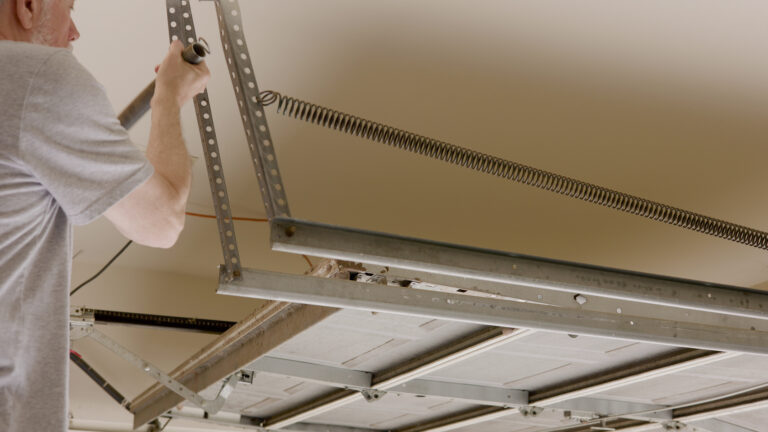
A garage door that suddenly refuses to lift can turn an ordinary morning into a mess fast. When springs breaking happens earlier than expected, most homeowners blame bad luck, but the truth is usually hiding in daily use, poor balance, harsh weather, or cheap parts installed years ago. Across many U.S. homes, the garage door works harder than people realize. It lifts hundreds of pounds, several times a day, through heat, cold, moisture, and family routines that never slow down. For homeowners comparing service options or learning how home systems fail, trusted home improvement resources like local property maintenance insights can help connect the dots before a small warning sign becomes a stuck door. The spring is not a minor part. It is the muscle of the entire system. When it wears out early, the door is usually telling you a bigger story about strain, neglect, or mismatched parts.
Why Garage Door Springs Fail Before Their Expected Life
Most springs do not fail in one dramatic moment. They lose strength slowly, cycle by cycle, until one final lift exposes the damage. That is why an early break feels sudden even when the warning signs were present for months. The spring was already tired; the last opening only made it obvious.
How Daily Door Use Shortens Torsion Spring Lifespan
A standard torsion spring lifespan is usually measured in cycles, not years. One cycle means the door opens and closes once. A family that uses the garage as the main entry can burn through cycles faster than a homeowner who opens the door twice a day.
A house in Phoenix, Dallas, or suburban Chicago may have four drivers, deliveries, sports gear, trash runs, and kids moving in and out through the garage. That door may run eight to twelve times daily. A spring rated for 10,000 cycles can age faster than expected under that kind of load.
The part that surprises homeowners is this: a newer home can have an older spring in practical terms. Age on paper matters less than movement. A five-year-old spring in a busy household can be more worn than a twelve-year-old spring in a quiet one-car home.
Why Cheap Replacement Parts Create Early Breaks
Low-cost springs can look fine on installation day. They may even work smoothly for a while. The problem shows up later, when weaker steel, poor coating, or wrong sizing starts punishing the system every time the door moves.
Some installers choose a spring that is close enough instead of one matched to the exact door weight. That shortcut matters. A heavy insulated steel door, a wooden carriage-style door, or a door with added glass panels needs the right spring strength. Close enough is not close enough.
A broken garage spring often traces back to this original mistake. The homeowner thinks the spring failed early, but the system was under-built from the start. Good installation feels boring because nothing dramatic happens afterward. Bad installation announces itself with noise, strain, and another service call too soon.
The Hidden Strain That Makes Springs Breaking More Likely
Early failure often comes from pressure the homeowner never sees. The door may still open, the opener may still hum, and the tracks may look normal from across the garage. Under that everyday appearance, the spring may be fighting extra weight or friction on every lift.
Door Balance Problems That Wear Out Springs
A balanced garage door should stay in place when lifted halfway by hand after the opener is disconnected. If it drops, shoots upward, or feels heavy, the spring system is not carrying the load correctly. That imbalance forces the opener and spring to work harder.
This is where many homeowners misread the problem. They blame the motor because the opener strains or slows down. The opener may only be reacting to a door that has lost proper balance. Replacing the motor without fixing the spring tension is like buying new shoes while walking with a stone inside one of them.
Garage door repair professionals often check balance before touching anything else. That simple test reveals more than a glossy inspection checklist. A door that cannot hold its own weight is already asking the spring system to pay the price.
Track Friction and Roller Wear Add More Pressure
Rollers, hinges, brackets, and tracks all affect spring life. When rollers drag, tracks bend, or hinges stiffen, the spring must overcome resistance that was never part of the original design. The door still moves, but each movement costs more energy.
Cold-weather states see this often after winter. Road salt, moisture, and temperature swings can stiffen hardware. In coastal areas, salty air can speed corrosion. In dusty regions, grit can settle into rollers and tracks until movement becomes rough.
The counterintuitive part is that a noisy door is not always the biggest danger. A quiet but heavy door can be worse. The spring may be absorbing strain without much sound until the metal finally gives up.
Weather, Rust, and Poor Garage Door Maintenance
Weather does not break a spring overnight. It works more like a slow leak in confidence. One season adds moisture, another adds heat, another adds contraction, and the steel keeps paying the bill. Good garage door maintenance slows that damage, but it cannot rescue a spring that has already been pushed past its limit.
How Rust Weakens a Broken Garage Spring Risk
Rust is not cosmetic when it appears on a spring. It creates rough spots on the metal surface, increases friction between the coils, and makes the spring less able to flex cleanly. A rusty spring may still lift the door, but it does so with less grace each week.
Homes in humid parts of Florida, the Gulf Coast, the Midwest, and the Pacific Northwest face this problem often. A garage does not need standing water to become a moisture trap. Wet tires, poor ventilation, and seasonal humidity can keep metal parts damp long enough to matter.
A light garage-rated lubricant can reduce friction and slow surface wear when used properly. Too much grease, though, can attract dust and grime. Smart care is controlled care. Slathering parts because the door squeaks can create a new mess instead of solving the old one.
Why Seasonal Temperature Swings Matter
Metal expands and contracts as temperatures shift. In places like Colorado, Ohio, Michigan, and Pennsylvania, a garage door system may face warm afternoons, freezing nights, and sudden storms in the same season. Springs handle movement, but repeated stress still leaves a mark.
Heat can dry out parts and make neglected systems harsher. Cold can make metal less forgiving. Add a heavy door, aging rollers, or poor lubrication, and the spring has to work through more resistance when it is least comfortable doing so.
Garage door maintenance works best when it follows the seasons. Spring and fall checks make sense because those are the times many U.S. homes move between weather extremes. A quick inspection before winter can catch rust, gaps, loose cables, and rough travel before the cold makes everything harder.
Safer Choices When a Spring Fails Early
A failed spring is not a weekend experiment. The stored tension in the system can cause serious injury if handled without training. Homeowners can inspect, listen, clean around the door, and call for help. They should not unwind or replace loaded springs without proper tools and experience.
When Garage Door Repair Needs a Professional
A loud snap from the garage, a crooked door, loose cables, a visible spring gap, or an opener that struggles to lift the door are all signs to stop using the system. Running the opener after a spring break can burn out the motor or bend the top section of the door.
A qualified technician should confirm the door weight, spring size, cable condition, bearing plates, center bracket, drums, rollers, and opener strain. The spring is the headline problem, but it may not be the only issue. Good service checks the system, not the one broken part.
Homeowners should also ask what cycle rating the new spring carries. A higher-cycle spring may cost more upfront, but it can make sense for busy households. A family using the garage as the front door should not be sold the same lifespan as a door that opens twice a day.
What Homeowners Can Check Without Touching the Spring
Safe inspection starts with observation. Look for rust, gaps in the coil, frayed cables, loose hinges, shaky movement, or a door that closes too fast. Listen for grinding, popping, scraping, or sudden changes in opener sound.
A simple maintenance habit can help: keep tracks clean, watch roller movement, and schedule an annual inspection if the door is used often. Homeowners can also review basic safety advice from organizations such as the International Door Association before deciding what belongs in DIY territory and what belongs to a trained technician.
The smartest move is to treat spring failure as a system warning. Garage Door Springs breaking early usually means something has been forcing the door to work harder than it should. Fix that cause, and the replacement spring has a far better chance of lasting.
Conclusion
A garage door spring rarely fails early for one clean reason. It usually breaks after months or years of small pressures adding up: too many cycles, poor balance, weather damage, cheap parts, rough rollers, or skipped service. That is why the best response is not panic, and it is not guessing. It is a careful look at the whole door system.
Homeowners who treat the spring as part of a larger machine make better decisions. They ask about cycle ratings. They notice door balance. They stop using the opener when the door feels wrong. They choose garage door repair based on fit and safety, not the lowest same-day quote.
When Garage Door Springs fail sooner than expected, the repair should do more than get the door moving again. It should remove the strain that caused the failure in the first place. Call a trained local technician, ask the right questions, and make the next spring work under fair conditions.
Frequently Asked Questions
Why do garage door springs break earlier than expected?
Heavy daily use, poor spring sizing, rust, bad door balance, and worn rollers can all shorten spring life. A spring may look normal until the final break, but the damage often builds slowly through added strain on every open-and-close cycle.
How long should a torsion spring lifespan be in a normal home?
Many standard torsion springs are rated by cycles, often around 10,000 cycles. A quiet household may get many years from that rating, while a busy family using the garage as the main entry can wear through it much faster.
Is a broken garage spring dangerous to repair myself?
Yes, spring repair can be dangerous because the parts hold strong tension. A wrong move can cause injury or damage the door. Homeowners can inspect from a safe distance, but spring replacement should be handled by a trained garage door technician.
What are the warning signs before a garage door spring breaks?
Common warning signs include a heavy door, crooked movement, loud popping sounds, visible rust, gaps in the spring coil, loose cables, or an opener that strains. Any sudden change in how the door moves deserves attention.
Can poor garage door maintenance cause spring failure?
Skipped maintenance can speed wear by allowing rust, friction, and balance problems to grow unnoticed. Cleaning tracks, watching roller movement, and scheduling periodic checks can reduce strain, although no maintenance routine can make a worn-out spring last forever.
Does cold weather make garage door springs break?
Cold weather can make metal less forgiving and increase stress on older springs. The risk grows when the door already has rust, poor lubrication, or track resistance. Many failures happen during cold snaps because weak parts finally reach their limit.
Should both garage door springs be replaced at the same time?
If a door has two springs installed at the same age, replacing both often makes sense. The unbroken spring may have similar wear. Replacing only one can leave the system uneven and may lead to another repair call soon after.
How can I make new garage door springs last longer?
Choose correctly sized springs, ask about cycle rating, keep moving parts clean, watch door balance, and fix roller or track problems early. A spring lasts longer when the whole door moves smoothly and does not fight hidden resistance every day.