

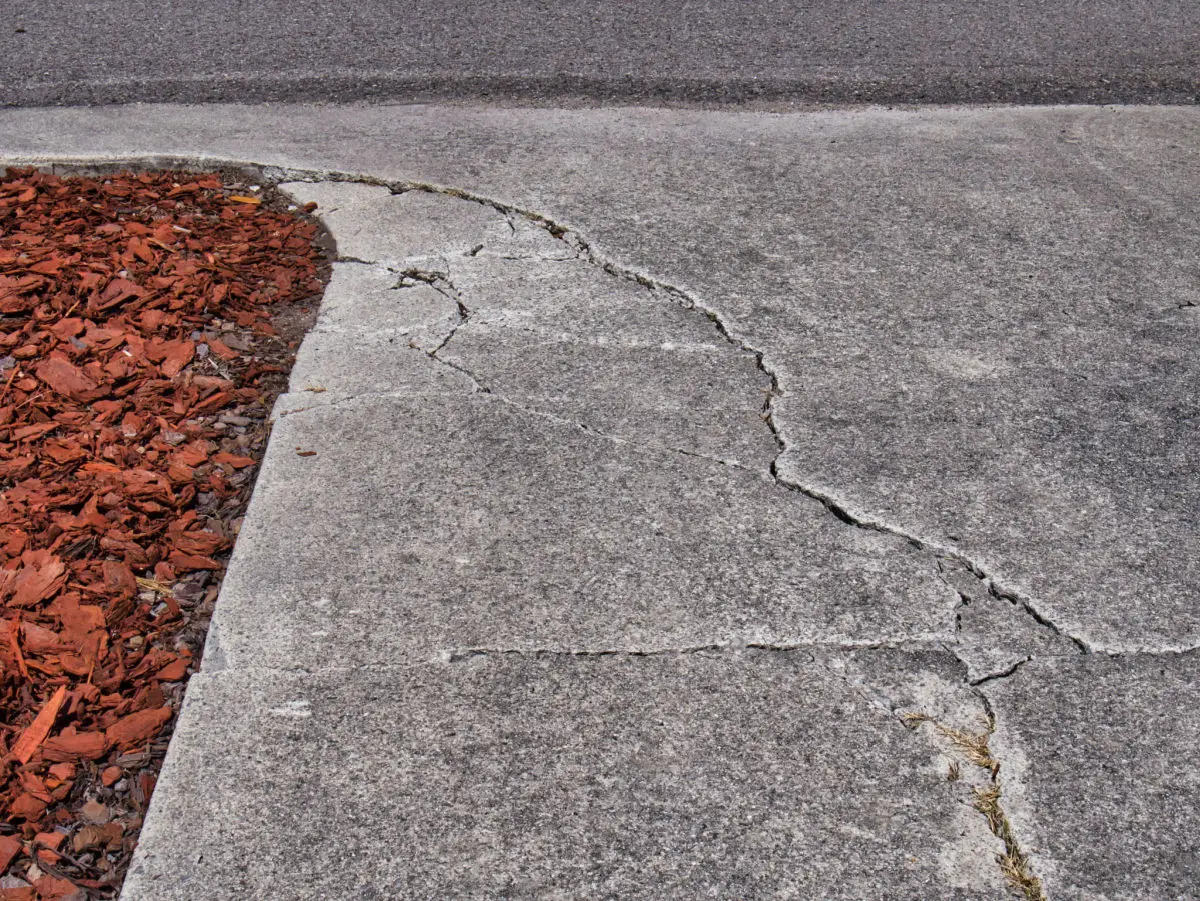
A new driveway should not look tired before the first set of tire marks settles in. When driveway concrete cracks earlier than expected, the problem often started long before the surface split open. Homeowners across the USA usually blame the weather first, and weather does matter, but the deeper story often sits under the slab, inside the mix, or during the first week after pouring. A driveway is not a decorative skin over dirt. It is a working surface that carries vehicles, sheds water, expands in heat, shrinks in cold, and depends on hidden preparation you never see again after the concrete truck leaves. That is why trusted home improvement insights matter when you are trying to separate normal hairline marks from costly failure. Early cracks do not always mean the whole driveway is ruined. Still, they do mean something in the system moved, dried, settled, or was built without enough room to behave like concrete naturally behaves.
Why Driveway Concrete Cracks Before It Should
Fresh concrete looks solid, but it spends its early life changing. It loses moisture, gains strength, reacts to temperature, and pulls against itself as it hardens. That hidden tension explains why a driveway can look perfect on day one and show lines months later.
Early Concrete Cracking Often Starts Below the Surface
The base under a driveway does more work than most homeowners realize. If soil is soft, poorly compacted, or full of organic material, the slab rests on a weak mattress instead of firm support. Concrete can handle pressure well, but it hates uneven support.
A common example shows up in new subdivisions outside growing cities like Dallas, Phoenix, or Nashville. A builder pours driveways fast across freshly graded lots, then the soil settles after a few heavy rains. The slab bends slightly over that low spot, and early concrete cracking appears where the stress collects.
The counterintuitive part is that thicker concrete does not always save a bad base. A thicker slab over loose soil can still crack because the problem is not only weight. It is movement. Good gravel, firm compaction, and drainage often matter more than adding another inch of concrete.
Concrete Curing Mistakes Make Strong Driveways Weak
Concrete does not dry into strength the way paint dries on a wall. It cures through a chemical reaction that needs moisture and time. When that process gets rushed, the surface may harden while the inside has not built enough strength.
Hot, dry, windy days create trouble fast. In states like Arizona, Nevada, and parts of California, concrete can lose surface moisture before finishing crews even leave the job. That creates shrinkage tension, and concrete curing mistakes begin showing as fine cracks that spread like faint pencil lines.
Cold weather creates a different trap. If fresh concrete freezes before it gains enough strength, internal water expands and damages the structure. The slab may still look normal at first, but weak spots show up after traffic, rain, and temperature swings expose the flaw.
The Hidden Role of Water, Weather, and Drainage
Weather gets blamed for almost every cracked driveway, and sometimes it deserves the blame. The sharper truth is that weather becomes destructive when the driveway cannot shed water or move with temperature changes. Concrete survives climate better when the site helps it.
Driveway Slab Damage Gets Worse When Water Has Nowhere to Go
Water is patient, and that makes it dangerous. It seeps under edges, pools near garage aprons, fills low spots, and softens the soil beneath the concrete. Once the base loses support, driveway slab damage becomes a structural issue instead of a surface flaw.
Northern homeowners see this during freeze-thaw cycles. Water enters tiny cracks, freezes, expands, and pushes the crack wider. The next thaw lets more water in, and the cycle repeats until a small line becomes a broken corner or sunken section.
Southern driveways face their own version of the same problem. In humid areas like Florida, Georgia, and Louisiana, poor drainage keeps soil damp for long stretches. Clay-heavy soil expands, contracts, and shifts under the driveway until the slab starts acting like it is sitting on moving ground.
Expansion Joints Are Not Decoration
Concrete moves more than people think. Heat makes it expand. Cold makes it shrink. If the driveway has no planned weak points, it will create its own. That is why control joints and expansion joints exist.
A clean saw-cut joint tells the slab where to crack in a controlled way. That sounds odd until you understand the goal. Good concrete work does not pretend cracks never happen. It guides them into straight, planned lines where they cause less damage.
Many early cracks happen because joints were spaced too far apart, cut too late, or skipped near stress zones. Garage entrances, sidewalk connections, curves, and driveway edges all need careful planning. A beautiful smooth slab with no joints may look premium for a week, then punish that choice for years.
Installation Choices That Decide the Driveway’s Future
A driveway’s lifespan is often decided in quiet choices: how much water goes into the mix, how the crew finishes the surface, when joints are cut, and whether reinforcement lands in the right place. None of these details look dramatic during installation. They become dramatic later.
Concrete Driveway Repair Is Harder When the Original Pour Was Rushed
Too much water in the mix makes concrete easier to place, but it weakens the finished slab. Some crews add water to make the concrete flow faster, especially on hot days or tight schedules. The driveway may look smooth at first, yet the extra water leaves behind a weaker internal structure.
That weakness matters when vehicles start using the surface. A family SUV, pickup truck, or delivery van puts repeated pressure on the same paths. If the slab has weak zones, concrete driveway repair may become necessary far earlier than expected.
Rushed finishing can also trap water near the surface. Overworked concrete sometimes develops a thin, weak top layer that flakes, scales, or cracks under weather. The finish looks neat on pour day, but neat is not the same as durable.
Reinforcement Helps Only When It Is Placed Correctly
Steel mesh, rebar, or fiber reinforcement can help hold cracks tighter, but it does not prevent every crack. Concrete still shrinks and moves. Reinforcement works best when it sits in the right position inside the slab and matches the driveway’s load needs.
A painful mistake happens when wire mesh ends up lying on the ground under the concrete instead of within it. That happens when crews pour over mesh without lifting it into position. The homeowner paid for reinforcement, but the slab gained little benefit from it.
The deeper lesson is simple: materials do not fix poor placement. Reinforcement, gravel, joints, and mix design all work as a system. One strong part cannot rescue three weak ones.
When Cracks Are Normal and When They Signal Trouble
Not every crack deserves panic. Concrete is rigid, exposed, and under constant stress, so minor lines can happen even in decent work. The key is knowing whether a crack is cosmetic, active, or a sign that the slab is losing support.
Hairline Cracks Can Be Annoying Without Being Dangerous
Small hairline cracks often show shrinkage during curing. They may be thin, shallow, and stable. If they do not widen, lift, settle, or allow water to pool, they may stay more ugly than harmful.
Homeowners often notice these lines after the first season change. A driveway poured in spring may show faint marks after summer heat or winter cold. That does not automatically mean the contractor failed, especially if the cracks follow control joints or remain narrow.
The smart move is documentation. Take photos, measure crack width, and watch changes after storms or freeze-thaw periods. Concrete tells a story over time, and the first photo gives you a baseline.
Widening Cracks Need Action Before They Spread
A crack that grows wider, forms uneven edges, or creates a height difference deserves attention. That kind of movement can trip people, collect water, and signal base settlement. Ignoring it usually makes the repair more expensive.
Driveway edges are another warning zone. Crumbling along the sides often points to weak edge support, poor drainage, or vehicles driving too close to unsupported borders. Once the edge breaks, stress moves inward and opens the door to larger failure.
Good repair starts with cause, not cosmetics. Filling a crack without fixing drainage, soil movement, or joint failure is like painting over a leak stain while the roof still drips. It may look better for a while, but the slab keeps losing the fight underneath.
Conclusion
A driveway is one of those home features people expect to work without much thought. That expectation is fair, but concrete has rules. It needs stable soil, proper drainage, sound joints, correct curing, and a mix that was not watered down for convenience. When those pieces line up, a driveway can handle years of cars, storms, heat, salt, and seasonal movement. When they do not, driveway concrete cracks become an early warning sign that the slab was asked to survive conditions it was never prepared to handle. The best next step is not panic or guesswork. Walk the driveway after rain, look for pooling, check whether cracks are widening, and compare the damage with the age of the slab. Then speak with a qualified concrete professional before a small line becomes a broken section. Fix the cause early, and your driveway has a far better chance of staying solid where it counts.
Frequently Asked Questions
Why is my new concrete driveway cracking after only a few months?
Early cracking usually comes from shrinkage, poor curing, weak base preparation, missing control joints, or too much water in the mix. Weather can expose the problem, but the cause often began during installation or the first week after the pour.
Are hairline cracks in a concrete driveway normal?
Thin hairline cracks can be normal, especially during curing or seasonal temperature changes. They become more concerning if they widen, spread quickly, collect water, or create uneven slab edges that suggest movement below the surface.
How can I tell if driveway cracks are structural?
Structural cracks often widen over time, show height differences between slab sections, or appear near sinking areas. Cracks that run through multiple sections, collect water, or form broken edges should be checked before repair work begins.
What causes early concrete cracking in cold states?
Freeze-thaw cycles create pressure when water enters small cracks and freezes. Road salt, poor drainage, and weak curing before winter can make the damage worse, especially in states with repeated temperature swings above and below freezing.
Can poor drainage crack a concrete driveway?
Poor drainage can weaken the soil under the slab and increase movement. Water that pools near edges, flows under the driveway, or freezes inside cracks can turn a small surface issue into deeper driveway slab damage.
Is concrete driveway repair worth it for small cracks?
Small stable cracks are often worth sealing because it keeps water and debris out. Repair is most useful when the cause has been addressed first. Sealing a crack while drainage or settlement continues will not solve the larger problem.
How long should a concrete driveway last before cracking?
A well-built concrete driveway can last decades, though minor shrinkage cracks may appear earlier. Lifespan depends on base preparation, concrete thickness, curing, drainage, climate, traffic load, and whether joints were placed correctly.
What should I ask a contractor before replacing cracked concrete?
Ask about base preparation, concrete thickness, joint spacing, curing method, reinforcement placement, drainage plan, and warranty terms. A good contractor explains how the driveway will handle local soil, weather, and vehicle weight before quoting the job.