

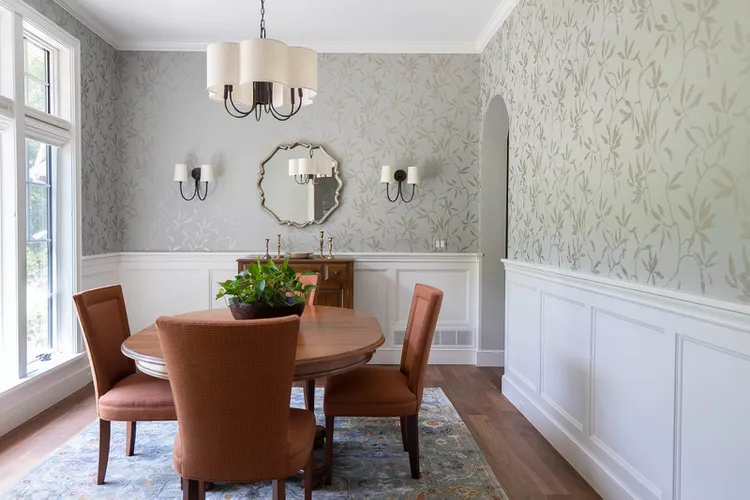
A plain dining room has a strange way of making good furniture look unfinished. You can bring in a solid table, better lighting, fresh paint, and still feel like the walls are waiting for their turn. Dining room wainscoting fixes that gap by giving the room structure, shadow, and a sense of intention without asking you to remodel the whole space. It works because dining rooms need more than decoration; they need boundaries that make meals feel grounded. In many American homes, especially newer builds with flat drywall and open layouts, the dining area often lacks its own identity. That is where thoughtful millwork earns its place. A simple lower-wall treatment can make a builder-grade room feel tailored, while a taller panel layout can turn dinner into something closer to an occasion. For homeowners comparing finishes, browsing interior design ideas for polished home updates can help frame the project before money goes into lumber, paint, or labor. The smartest choice is not always the fanciest panel. It is the one that makes the room feel like it finally belongs.
Why Dining Room Wainscoting Changes the Whole Room
Walls set the emotional temperature of a dining space before anyone sits down. Bare drywall can feel clean, but it can also feel thin and temporary. Paneling adds weight, and that weight changes how the room behaves.
How Wall Paneling Ideas Create Better Visual Boundaries
Open-concept homes made dining rooms harder to define. A table may sit between the kitchen and living room, with no clear signal that this spot deserves a pause. Good wall paneling ideas solve that problem by creating a visual border around the dining area.
The effect is stronger than people expect. A half-height panel treatment tells the eye, “This is a room,” even when no full wall separates it. That matters in a suburban Texas home where the dining table sits beside a kitchen island, or in a Chicago condo where one long wall carries three living zones.
Paneling also gives paint color more discipline. A deep green wall can feel heavy on plain drywall, but it feels controlled when framed by trim. The molding breaks the color into human-sized pieces, so the room feels rich instead of crowded.
Why Plain Walls Make Furniture Work Too Hard
Furniture should not have to carry the full character of a room. A dining table, rug, and chandelier can do plenty, but they cannot fix walls that feel empty. That is why some expensive dining rooms still feel oddly flat.
Wainscoting gives furniture a partner. A walnut table looks more settled against paneled walls because the vertical and horizontal trim lines echo the table’s own shape. Even simple chairs gain presence when the wall behind them has depth.
The counterintuitive part is that paneling can make a room feel calmer, not busier. People often fear extra detail will crowd the space. In practice, clean trim lines can quiet a room because they replace blank emptiness with order.
Choosing a Style That Fits Your Home’s Architecture
A dining room should not look like it was decorated in isolation. The best wall treatment respects the house around it, even when the goal is to make the room feel special. Style works when it feels connected, not copied.
When Raised Panel Wainscoting Feels Worth the Cost
Raised panel wainscoting brings formality fast. It has more depth than flat boards, and that depth creates strong shadow lines under evening light. In a colonial home in Virginia or a brick Georgian outside Philadelphia, it can look like it has always been there.
This style earns its cost when the room has enough architectural support. Crown molding, a proper chandelier, taller baseboards, and solid window trim all help raised panels feel natural. Without those neighbors, the treatment can look dressed up for the wrong event.
The mistake is using heavy panels to force elegance into a room that wants restraint. A small ranch dining nook with eight-foot ceilings may need slimmer trim and cleaner spacing. Good design knows when to stop before charm turns into costume.
How a Traditional Dining Room Can Still Feel Current
A traditional dining room does not need to feel stiff. The difference comes from proportion, color, and restraint. Classic panels paired with warm white paint, linen curtains, and simple chairs can feel fresh without chasing trends.
Many homeowners overcorrect because they fear the word traditional. They strip out detail, paint everything gray, then wonder why the room feels cold. Older design language survives because it gives rooms rhythm, not because it belongs in a museum.
A smart update might pair box molding with a round pedestal table and quiet brass lighting. The bones stay classic, but the room feels relaxed enough for weeknight pizza. That balance matters more than copying any single style photo.
Getting Height, Color, and Trim Details Right
Good paneling depends less on decoration and more on math that feels natural. Height, spacing, rail size, and paint finish all decide whether the room looks finished or awkward. Small measurement choices can change the whole mood.
Why Chair Rail Molding Needs the Right Proportion
Chair rail molding has a practical history, but today it works mostly as a visual line. Place it too high and the room can feel chopped in half. Place it too low and the panels lose authority.
A common sweet spot sits around one-third of the wall height, though the room should guide the final choice. In a dining room with eight-foot ceilings, a rail near 32 to 36 inches often feels balanced. Taller ceilings can handle a higher rail, especially when the baseboard has enough weight.
The rail should also relate to furniture. If chair backs hit near the same height, the line feels tied to real use instead of floating on the wall. That is the kind of small detail guests may not name, but they feel it.
How Paint Color Changes the Character of Paneling
Paint decides whether wainscoting whispers or speaks up. A white lower wall with a colored upper wall feels crisp and familiar. A single color across both wall and trim feels more grown-up because shadow does the work instead of contrast.
Dining Room Wainscoting can look especially refined when the panels and upper wall share one muted tone. Dusty blue, warm taupe, clay, olive, and soft charcoal all give depth without shouting. The trim still shows because light catches the edges.
Gloss matters too. Satin or semi-gloss on trim can handle scuffs from chairs and cleaning, while matte upper walls soften the room. In homes with kids, pets, or frequent guests, that finish choice can save the wall from looking tired within months.
Making Wainscoting Work in Real American Homes
Magazine rooms rarely show the awkward stuff. Real dining rooms have vents, outlets, short walls, uneven floors, pass-through openings, and windows that refuse to line up. Better planning turns those problems into manageable design decisions.
How Wall Paneling Ideas Adapt to Small Dining Spaces
Small rooms need discipline more than decoration. Wall paneling ideas can work beautifully in apartments, townhomes, and compact breakfast rooms when the trim stays slim and the spacing stays calm. Large boxes on short walls can feel clumsy.
Narrow picture-frame molding often works better than thick raised panels in tight rooms. It gives the wall texture without stealing inches from the room. Painted in the same color as the wall, it creates depth with little visual weight.
A small Boston dining room, for example, might use lower panels beneath a warm neutral upper wall and a round table that keeps traffic moving. The paneling makes the room feel intentional, while the furniture keeps it usable. Design fails when beauty blocks daily life.
Why Outlets, Vents, and Corners Should Be Planned First
Trim layout should begin with the ugliest obstacles. Outlets, air returns, thermostats, and door casing decide more than homeowners want to admit. Ignoring them early leads to cut trim, broken rectangles, and panels that look accidental.
A good installer maps every wall before buying material. Panel widths may shift slightly so an outlet lands centered inside a box instead of crashing into molding. Corners may need narrower end panels so the pattern wraps cleanly.
That planning feels fussy until the paint dries. Then it becomes the difference between custom work and a weekend project that almost made it. Wainscoting rewards patience because every line has nowhere to hide.
Budget, Installation, and Long-Term Value
The cost of paneling depends on style, material, wall condition, and labor. Yet the deeper question is not only what it costs. It is whether the improvement will still feel right after the room has lived through holidays, homework, birthdays, and ordinary dinners.
When DIY Makes Sense and When It Does Not
DIY wainscoting can work when the design is simple, the walls are fairly straight, and the homeowner has patience with measuring. Board-and-batten, picture-frame molding, and flat panel layouts are more forgiving than raised-panel carpentry.
The danger is assuming trim is easy because the pieces look simple. Dining rooms expose errors. A crooked rail behind a long table becomes obvious from every seat, and uneven boxes can make the wall feel restless.
Hiring a carpenter makes sense for older homes, uneven plaster, stair-adjacent dining rooms, or higher-end raised panel wainscoting. Labor costs more, but bad millwork costs twice: once to install, then again to fix. No one enjoys paying for the same wall two times.
How Wainscoting Adds Value Beyond Resale
Home value is not only a future selling price. A room that makes people gather more often has value now. That may sound sentimental, but dining rooms survive when they feel worth using.
Paneling gives the room a reason to exist. In many homes, the dining room becomes a mail drop, laptop zone, or unused pass-through because it lacks pull. Add texture, better lighting, and a table that fits, and the room starts asking for dinner again.
Resale still matters. Buyers often respond to rooms that feel finished, even when they cannot explain the details. Trim suggests care, and care suggests the rest of the home may have been treated well too.
Keeping the Look Clean, Not Overdone
Detail can ruin a room when it starts competing with itself. Wainscoting should support the dining experience, not turn every wall into a display. The cleanest rooms often come from hard editing, not more trim.
Why Chair Rail Molding Should Not Fight the Rest of the Room
Chair rail molding needs quiet neighbors. If the room already has busy wallpaper, heavy curtains, ornate furniture, and a dramatic chandelier, the rail and panels should step back. Every design element cannot be the lead singer.
One strong move is enough. A moody upper wall with painted lower panels can carry the space without patterned rugs and crowded artwork. A wallpapered upper wall can look beautiful too, but the panel profile should stay simple.
The best dining rooms leave breathing room. They let the wall detail show during daylight and soften under lamps at night. That shift gives the room life without making it feel staged.
How a Traditional Dining Room Avoids Looking Dated
A traditional dining room ages badly when every choice comes from the same decade. Matching dining sets, glossy cherry finishes, heavy swag curtains, and thick beige walls can make even good millwork feel trapped in time.
The fix is contrast. Keep the paneling, then loosen the rest. Try cleaner chairs, a simpler rug, a warm white ceiling, or a sculptural light fixture that does not mimic the trim. Old and new can sit together when neither one shouts.
This is where restraint becomes the whole point. You do not need to erase history to make the room feel alive. You need to give it enough present-day ease that people want to sit down and stay.
Conclusion
A dining room becomes memorable when its walls do more than hold paint. The right wainscoting gives the space shape, mood, and a quiet sense of care that furniture alone rarely creates. It can make a small room feel intentional, help an open layout feel anchored, and give older homes back some of the character that flat renovations often remove. Still, the best results come from proportion before decoration. Measure the rail height, respect the ceiling, plan around outlets, and choose a panel style that belongs to the house you have. Dining room wainscoting works because it changes how the room feels before it changes how it photographs. That is the part worth paying attention to. Start with one honest question: should this room feel casual, formal, cozy, or dramatic? Once that answer is clear, every trim line has a job, and the room finally knows what it wants to be.
Frequently Asked Questions
What is the best height for dining room wall paneling?
Most dining rooms look balanced when paneling reaches about one-third of the wall height. For eight-foot ceilings, that often means around 32 to 36 inches. Taller rooms can handle higher panels, but the rail should still feel connected to the furniture and room scale.
Does wainscoting make a small dining room look smaller?
Slim profiles and single-color paint can make a small dining room feel more finished without shrinking it. Heavy trim, dark contrast, and oversized panel boxes can crowd the space. The key is using depth carefully, not avoiding detail altogether.
What style of wainscoting is best for a formal dining room?
Raised panels suit formal rooms with strong architectural details, while picture-frame molding gives a lighter formal look. The best choice depends on ceiling height, window trim, baseboards, and furniture style. A formal room still needs balance, not excess.
Can I install dining room paneling without removing baseboards?
Some layouts allow trim to sit above existing baseboards, especially with picture-frame molding. Thicker styles may need baseboard changes so the lower edge looks built-in. Keeping thin builder-grade baseboards under heavy panels often makes the project look unfinished.
Should wainscoting be painted white or the same color as the wall?
White gives a crisp, classic contrast, while one-color walls and trim feel softer and more current. Dining rooms with bold upper walls often benefit from lighter lower panels. Rooms seeking depth may look better with the same color across both surfaces.
Is chair rail molding still in style for dining rooms?
Chair rails still work when the proportion feels right and the surrounding finishes are fresh. They look dated when paired with heavy colors, old furniture sets, or awkward wall splits. Clean trim, updated paint, and balanced spacing keep the look current.
What is the difference between board and batten and wainscoting?
Board and batten is one type of wainscoting that uses vertical strips to create a clean, rhythmic pattern. Wainscoting is the broader category for decorative lower-wall treatments, including raised panels, flat panels, beadboard, and picture-frame molding.
How do I choose between raised panels and flat panels?
Raised panels bring stronger shadow and a more formal feeling. Flat panels feel cleaner, simpler, and easier to adapt to casual homes. Choose raised panels for rooms with architectural weight, and flat panels for spaces that need detail without feeling dressed up.