

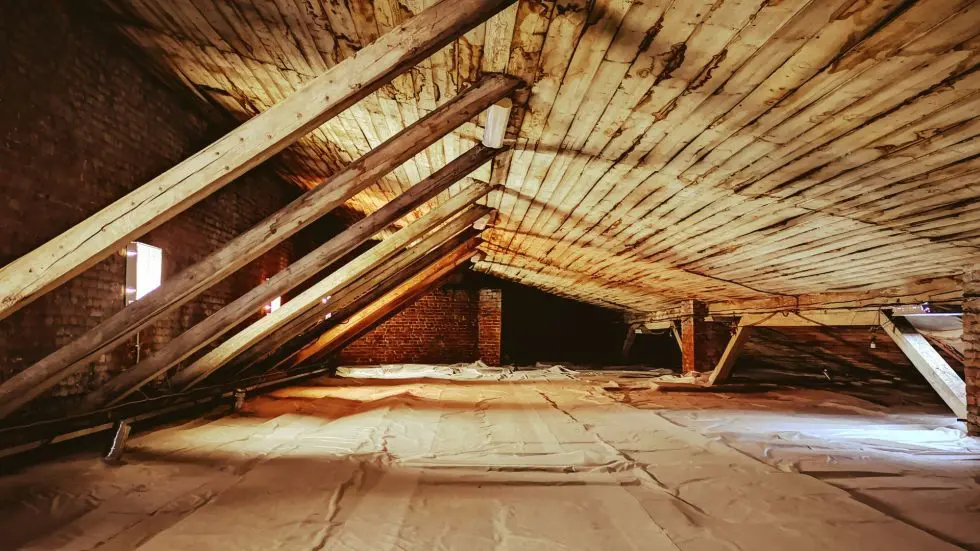
A house can look calm from the curb while trouble spreads above the ceiling. That is what makes attic moisture problems so dangerous for American homeowners: they rarely announce themselves until wood, insulation, roofing, or indoor air already feels the damage. You may notice a faint musty smell, a stained ceiling corner, or a room that never holds heat well in winter. By then, the attic has often been holding damp air for months. Many homeowners spend money on paint, flooring, or kitchen updates while the attic quietly decides how long the structure will stay healthy. A home’s upper space is not empty storage. It is a pressure zone, a heat trap, a ventilation path, and a warning system. When that system fails, the damage moves downward. For practical home ownership guidance, trusted homeowner resources like property maintenance insights can help people think beyond surface repairs. The attic deserves that same attention because hidden moisture never stays hidden forever.
Attic Moisture Problems Begin When Air Has Nowhere to Go
Most attic damage starts with ordinary household air taking the wrong path. Warm indoor air rises from kitchens, bathrooms, laundry rooms, and living spaces. When it slips into the attic and meets cold roof decking, moisture forms on surfaces that were never meant to stay wet.
Why everyday living sends moisture upward
Daily routines create more indoor humidity than many homeowners realize. A hot shower, boiling pasta, running a dryer, or even breathing inside a tightly sealed home adds moisture to the air. That air naturally moves upward through ceiling gaps, recessed lights, attic hatches, plumbing chases, and poorly sealed duct openings.
The counterintuitive part is that a “well-sealed” modern home can make the issue worse when ventilation and air sealing are out of balance. Older drafty houses wasted energy, but they also leaked enough air to dry out some hidden spaces. Newer homes often trap moisture with greater force, especially during cold months in states like Minnesota, Michigan, Ohio, Pennsylvania, and New York.
A small ceiling gap can act like a chimney. Warm air does not need a large opening to carry vapor into the attic. It only needs time, pressure, and a temperature difference.
How poor ventilation turns damp air into damage
Attic ventilation should move air through the space, not leave it sitting under the roof deck. Intake vents near the eaves pull in cooler outside air, while ridge or roof vents release warmer air near the top. When that path gets blocked by insulation, debris, poor design, or past remodeling work, moisture lingers.
Many homeowners blame the roof first when they see damp sheathing. Sometimes the roof is not the first offender. The attic may be trapping household moisture because the air has no clean exit path. A roof can be structurally sound and still sit over a damp attic.
In a typical U.S. home with soffit vents, one hidden problem is insulation pushed too far into the eaves. That blocks airflow at the exact place where fresh air should enter. The attic may have vents on paper, but no working air movement in real life.
Roof Decking and Framing Take the First Silent Hit
Moisture does not need flooding to hurt wood. It only needs repeated dampness. Roof decking, rafters, trusses, and nail heads reveal the early story if you know how to read them.
Wood damage starts before anything feels rotten
Wood can absorb and release moisture for a while without falling apart. That natural tolerance fools people. A roof deck may look mostly fine in summer, then show dark staining, frost, or fuzzy growth in winter. The cycle repeats until the wood loses strength.
This is where many attic moisture problems become expensive. The attic does not always fail in one dramatic event. It weakens through seasons. Winter condensation dampens the sheathing, spring warmth wakes up growth, summer heat bakes odors into the space, and fall closes the cycle again.
A homeowner in Wisconsin or Maine might see frost on nail tips inside the attic after a cold night. That frost may melt into the insulation the next day. The ceiling below stays clean at first, so the issue gets ignored.
Metal fasteners and roof nails give early warnings
Rusty nail tips often tell the truth before the wood does. When warm moist air meets cold metal, condensation forms quickly. Over time, those nails stain, rust, and drip. That is not normal aging. It is a sign the attic air is carrying too much moisture.
Roofing crews sometimes discover the problem during shingle replacement. The shingles may be worn, but the sheathing underneath tells a deeper story. Dark patches, soft spots, and rusted fasteners point to moisture that came from inside the home, not only from rain.
The strange part is that a brand-new roof can fail early if the attic beneath it stays wet. New shingles cannot fix bad airflow, bathroom fans venting into the attic, or ceiling leaks that move humid air upward.
Insulation Loses Power When It Gets Damp
Insulation only works well when it stays dry and fluffy. Once moisture settles into fiberglass, cellulose, or old blown-in material, the attic stops protecting the living space the way homeowners expect.
Wet insulation quietly raises energy bills
Damp insulation loses its ability to trap air. That means heated air escapes faster in winter, and attic heat pushes harder against the ceiling in summer. The homeowner sees the result as uneven rooms, longer HVAC cycles, and higher utility bills.
A ranch home in Missouri, for example, may have one bedroom that feels cold every January. The owner might blame old windows, but the attic above that room may contain packed-down insulation near a blocked soffit. The comfort problem feels like a room issue, yet the real cause sits overhead.
Wet insulation also dries slowly. Once moisture enters dense areas, it can remain trapped long after the attic air improves. That trapped dampness keeps feeding odors, dust problems, and surface staining.
Bathroom fans can ruin insulation fast
Bathroom exhaust fans should vent outdoors through a proper duct and exterior cap. Too many homes still dump bathroom air into the attic. That sends warm, wet air straight into insulation, roof sheathing, and framing.
This mistake is common in older homes and rushed remodels. A fan may make noise and pull steam from the bathroom, so the room appears fixed. Above the ceiling, that same steam lands in the attic every time someone showers.
A simple inspection can reveal the truth. If the fan duct ends near insulation or points toward a roof cavity without an exterior exit, the setup needs correction. The repair is usually far cheaper than replacing moldy insulation and weakened sheathing later.
Mold, Odor, and Indoor Air Problems Follow the Moisture Trail
Attic moisture rarely stays only in the attic. Air moves between building spaces. Odors, spores, and dust can drift into living areas through ceiling leaks, duct gaps, attic stairs, and pressure changes caused by HVAC systems.
Musty smells often begin above the ceiling
A musty smell in a hallway, closet, or upstairs bedroom can come from attic conditions. Homeowners often search for a plumbing leak first. That makes sense, but the attic deserves attention when the odor gets stronger after rain, snowmelt, or humid weather.
Mold growth in an attic does not always mean black patches covering every board. It can appear as faint spotting, dusty-looking discoloration, or uneven staining near roof edges. The size of the visible growth does not always match the size of the moisture problem.
The unexpected part is that air fresheners and dehumidifiers in living spaces may hide the symptom while the source remains untouched. A cleaner smell downstairs does not dry roof sheathing upstairs.
HVAC ducts can spread attic problems
Homes with ducts running through the attic face another risk. Small leaks in supply or return ducts can pull attic air into the living space or push conditioned air into the attic. Both conditions waste energy and disturb the air balance.
Return duct leaks are especially troubling. A leaky return can draw dusty, musty attic air into the HVAC system. That air then moves through bedrooms and living rooms. People may blame allergies on outdoor pollen when the attic is part of the indoor air story.
A professional duct inspection can uncover loose joints, torn flex duct, missing mastic, or disconnected sections. Fixing those leaks helps comfort, air quality, and moisture control at the same time.
Homeowners Often Miss the Real Cause Until Repairs Get Bigger
Most people do not climb into the attic unless something already looks wrong. That delay gives moisture time to spread through materials that are costly to replace. Early checks matter because the first signs are often small.
Ceiling stains are late-stage warnings
A ceiling stain means moisture has already traveled far enough to reach finished surfaces. By the time paint bubbles or drywall softens, insulation and framing above it may have been damp for weeks or months.
The shape of the stain can mislead people. A roof leak often leaves a mark during or after rain, while condensation damage may appear during cold weather. Snow country homes can show stains after warm indoor air freezes inside the attic and melts later.
A stain should start a full attic check, not only a paint repair. Covering the mark without finding the source is like turning down a smoke alarm because the sound is annoying.
Seasonal timing tells you where to look
The season when moisture appears gives strong clues. Winter frost inside the attic often points toward air leakage, poor ventilation, or indoor humidity. Summer dampness may point toward roof leaks, duct condensation, or humid outdoor air entering a poorly balanced space.
Homes in the South face a different pattern. In states like Florida, Georgia, Texas, and Louisiana, hot humid air can meet cool ductwork in attic spaces. Condensation then forms on ducts, drips into insulation, and creates stains that look like roof trouble.
Smart diagnosis starts with timing. A problem that appears after showers, laundry use, cold snaps, or HVAC cycles has a different source than one that appears after heavy rain.
Prevention Starts With Air Sealing, Not Guesswork
Many homeowners jump straight to adding vents or replacing insulation. Those repairs can help, but they may fail if warm indoor air still leaks into the attic. Moisture control works best when the home stops feeding the attic damp air.
Seal the attic floor before adding more insulation
The attic floor is the boundary between living space and attic space. Gaps around lights, wires, chimneys, plumbing pipes, bath fans, and access hatches allow warm air to escape upward. Sealing those gaps cuts off a major moisture path.
This work is not glamorous. Nobody brags about caulk and foam at a backyard cookout. Still, it can protect the roof structure better than many cosmetic upgrades.
A careful air-sealing job should happen before new insulation goes in. Adding insulation over leaks can hide them and make future repairs harder. The attic may look improved while the same air movement continues underneath.
Balance intake and exhaust ventilation
Ventilation needs balance. Too much exhaust without enough intake can pull air from the living space into the attic. Too much intake without a clear exit can leave air swirling without drying the roof deck.
A good attic setup creates movement along the underside of the roof. Air enters low, exits high, and keeps the temperature and moisture load more stable. Baffles near the eaves help keep insulation from blocking that path.
Homeowners should be careful with mixing vent types. Ridge vents, gable vents, turbine vents, and powered fans can fight each other when installed without a plan. More holes in the roof do not always mean better drying.
Small Inspection Habits Can Save the Structure
The attic does not need weekly attention, but it does need a rhythm. A simple seasonal check can catch dampness before it becomes a major repair. The best time to look is often when the weather creates stress on the house.
What to check during a safe attic visit
A homeowner should look for dark roof sheathing, rusted nails, damp insulation, blocked soffits, loose ducts, disconnected fan vents, and daylight coming through roof openings. A flashlight tells a lot when used slowly.
Safety matters. Step only on framing members or proper walk boards, not on drywall ceilings. Wear a mask, gloves, and eye protection when dust, insulation, or visible growth is present. If the attic has strong odor, heavy staining, or unsafe access, call a qualified pro.
Photos help more than memory. Taking pictures from the same spots each season makes changes easier to see. Small changes matter because moisture damage often grows in patterns, not sudden disasters.
When to call a professional
A professional inspection makes sense when you see widespread staining, mold-like growth, wet insulation, sagging roof decking, repeated ceiling stains, or frost across large areas. Roofers, insulation contractors, HVAC technicians, and home performance specialists may each solve a different piece of the puzzle.
The key is hiring for diagnosis, not only replacement. A contractor who only sells shingles may miss duct condensation. An insulation crew may miss a bad bath fan vent. A strong diagnosis looks at roof condition, airflow, air leaks, humidity sources, and duct performance together.
Good repair planning respects cause and sequence. Stop the moisture source first. Remove or dry damaged materials second. Restore insulation and ventilation third. That order prevents paying twice for the same hidden mistake.
Protecting Your Home Means Treating the Attic Like a Living System
A healthy attic is not a forgotten triangle of dust above the ceiling. It is part of the home’s structure, energy performance, indoor air quality, and long-term value. Once you see it that way, attic care becomes less mysterious and more practical.
The best homeowners do not wait for a brown ceiling stain to take action. They notice uneven temperatures, musty smells, rusty nails, and damp insulation as early warnings. They understand that small air leaks can cause large structural consequences when weather and time work together.
Solving attic moisture problems is not about panic. It is about catching a quiet issue before it becomes a roof replacement, mold cleanup, insulation tear-out, or real estate negotiation problem. Start with a careful attic check, then fix the air movement, ventilation, and humidity sources in the right order. Your home will last longer when the space above your head is finally treated as part of the house, not an empty afterthought.
Frequently Asked Questions
What causes moisture buildup in an attic during winter?
Warm indoor air rises through ceiling gaps and meets cold roof decking. That contact creates condensation or frost. Poor ventilation, blocked soffits, high indoor humidity, and bathroom fans venting into the attic can make the problem worse during cold months.
How do I know if my attic has a moisture problem?
Look for rusty nail tips, dark roof sheathing, damp insulation, musty smells, frost, mold-like spots, or stains on upstairs ceilings. Uneven room temperatures and rising energy bills can also point to hidden attic dampness.
Can attic moisture damage roof shingles?
Yes, moisture under the roof deck can shorten roof life. Damp sheathing may weaken, hold heat poorly, and affect how shingles perform from below. Replacing shingles without fixing attic airflow can leave the same problem behind.
Is attic mold always caused by a roof leak?
No, attic mold often comes from indoor humidity, poor ventilation, duct leaks, or bathroom fans venting into the attic. Roof leaks can cause growth too, but condensation is a common hidden source in many U.S. homes.
Should I add more attic vents to stop moisture?
More vents are not always the answer. The attic needs balanced intake and exhaust airflow. Adding exhaust vents without enough intake can pull more warm indoor air into the attic and make moisture worse.
Can wet attic insulation be saved?
Light dampness may dry if the moisture source is fixed quickly. Insulation that stays wet, smells musty, compresses, or shows mold-like growth often needs removal. A professional can tell whether drying or replacement is safer.
Why does my attic smell musty after rain?
Rain may expose roof leaks, but it can also raise humidity around existing attic moisture. Damp wood, wet insulation, or mold growth can release stronger odors when conditions change. The attic should be inspected before assuming the smell comes from one source.
How often should homeowners inspect attic moisture signs?
Check the attic at least twice a year, ideally after winter and during a humid season. Also inspect after major storms, roof work, insulation upgrades, or bathroom remodels. Regular photos help track changes before repairs become expensive.