

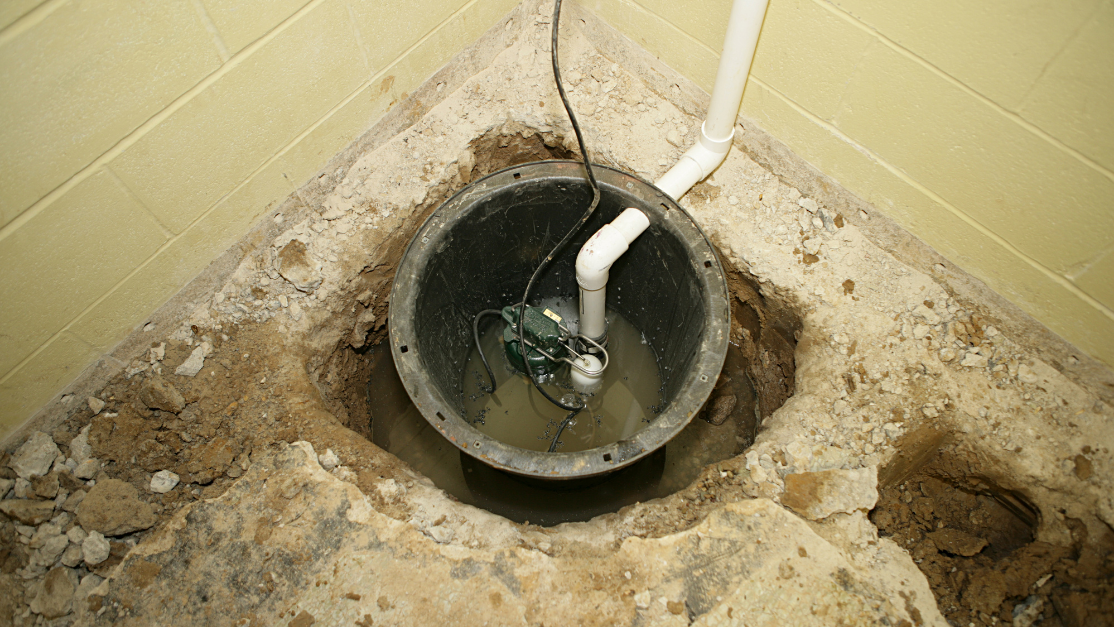
A dry basement can turn into a wet mess before most homeowners even realize something has gone wrong. One storm, one power outage, one clogged discharge line, and the floor you trusted yesterday becomes the problem you are paying for tomorrow. Many sump pump failures begin quietly, long before water spreads across stored boxes, drywall, flooring, and foundation edges. That is what makes them so expensive.
For many American homeowners, the basement is no longer an unfinished storage cave. It may hold a home office, laundry room, gym, playroom, guest suite, or expensive mechanical systems. That changes the stakes. A failed pump does not only create puddles. It can interrupt daily life, invite mold, damage electrical equipment, and expose weak spots in the home’s drainage plan. Reliable home maintenance starts with knowing where the risk hides, and resources like property protection guidance can help homeowners think about prevention before cleanup becomes the only option.
The hard truth is simple. A sump pump is not a magic box in the corner. It is a working system, and every working system needs attention.
Why Basement Pump Breakdowns Usually Start Before the Storm
Water damage often feels sudden, but the failure usually began days, months, or even years earlier. A pump that runs too often, sits crooked in the pit, hums without moving water, or drains into a blocked line is already warning you. The storm only exposes what neglect allowed to grow.
When the Pump Is Too Small for the Water Load
A weak pump can look normal during light rain and still fail when the real test arrives. This is common in older homes across the Midwest, Northeast, and parts of the South where heavy downpours now hit drainage systems harder than they were built to handle. The pump turns on, moves water, and gives the homeowner false comfort.
Then the water rises faster than the pump can discharge it. That is when the basement pit becomes a funnel instead of a safety feature. A correctly sized pump should match the amount of groundwater your property receives, not the size of the basement alone.
A real example is a finished basement in Ohio with carpet, drywall, and a small bar area. The pump worked for years during regular spring rain. One slow-moving storm dropped water for hours, and the pump could not keep pace. Nothing was “broken” in the obvious sense. It was underpowered, and that was enough.
Why Old Pumps Fail at the Worst Time
A sump pump ages even when it still turns on. Motors weaken, switches stick, bearings wear, and internal parts collect grit from the pit. Many homeowners wait until the pump dies completely, but basements do not wait politely for a convenient repair date.
The strange part is that old pumps often sound fine. They may hum, vibrate, or cycle like usual, yet push less water than they once did. That slow decline is easy to miss because nobody measures pump performance after every storm.
Age should matter more than noise. If your pump is seven to ten years old, it deserves serious inspection, even if it has not failed yet. Replacement before failure may feel wasteful until you compare it with soaked flooring, mold removal, and insurance arguments.
Hidden Drainage Problems That Turn Small Leaks Into Flood Damage
A pump can only remove water that reaches it properly and exits the house safely. That simple fact gets ignored too often. Homeowners blame the pump, but the real problem may sit outside the foundation, inside a clogged line, or beneath landscaping that sends rainwater toward the house.
How Clogged Discharge Lines Create Basement Flooding
A discharge pipe should carry water away from the foundation. When it clogs, freezes, cracks, or drains too close to the house, the same water can circle back toward the basement. The pump works harder, runs longer, and eventually loses the fight.
This happens in cold states when discharge lines freeze during winter thaws. It also happens in leafy neighborhoods when debris blocks the outlet. A homeowner may hear the pump running and assume everything is fine, while water has nowhere useful to go.
The smartest fix is often boring: check the outlet after heavy rain. Water should flow freely and discharge well away from the foundation. If the line buries underground, make sure it does not end in a low spot that turns into a private pond during storms.
Why Yard Grading Can Defeat a Good Pump
A strong pump cannot correct bad grading forever. If soil slopes toward the house, gutters dump water beside the foundation, or downspouts stop too close to the wall, the basement receives more water than it should. The pump becomes the last defense instead of one part of a larger plan.
This is where homeowners often spend money backward. They buy a bigger pump while ignoring the hill of mulch pressed against the siding or the downspout elbow missing from the corner. The pump gets blamed for a drainage problem it never caused.
One counterintuitive truth: the best sump pump repair may happen outside. Extending downspouts, correcting low soil, cleaning gutters, and improving surface drainage can reduce pump workload more than replacing the pump itself.
Power Loss and Backup Mistakes That Leave Homes Exposed
Storms cause water, but they also cause outages. That combination is brutal. A sump pump that depends only on household electricity can become useless during the exact hours it is needed most. Homeowners who ignore backup planning are gambling with timing, not just equipment.
Why Battery Backup Systems Need Real Maintenance
A battery backup sump pump can save a basement, but only when the battery is charged, connected, and strong enough to work under pressure. Many systems sit untouched for years. Then the power cuts out, the main pump stops, and the backup battery has little life left.
Testing the backup matters. The alarm should work. The float should move freely. The battery should not be swollen, corroded, or past its service life. A backup system is not a decoration with wires attached.
The surprise for many homeowners is that backup pumps may move less water than the primary unit. That does not make them useless. It means they are meant to buy protection during outages, not excuse poor drainage or an aging main pump.
When Generator Plans Are Not Enough
A portable generator sounds like a solid backup plan until the storm arrives at 2 a.m. Someone has to wake up, fuel it, move it outside, connect it safely, and keep it running. That assumes the homeowner is home, the generator starts, and the weather allows safe setup.
Automatic standby generators solve some of that, but they cost far more and still need maintenance. For many homes, the better plan is layered protection: main pump, battery backup, clean discharge line, working alarm, and responsible drainage around the foundation.
This is not overkill. It is what happens when you admit that water does not care how confident you felt during the last storm. Redundancy feels excessive right up until the first inch of water reaches the baseboards.
Warning Signs Homeowners Should Never Ignore
Most flooded basements give warning signs before disaster hits. The problem is that the signs look small. A little extra cycling, a damp smell, a rusty lid, or a pump that runs after the rain stops may not feel urgent. Those clues deserve attention because they often point to stress inside the system.
What Strange Noises and Short Cycling Mean
A pump that bangs, grinds, rattles, or turns on and off every few seconds needs inspection. Short cycling may mean the float switch is poorly positioned, the check valve has failed, or water is flowing back into the pit after each cycle. That constant starting and stopping wears the motor faster.
Noise can also point to debris in the pit. Small stones, mud, and grit can interfere with the impeller. Once that happens, the pump may run but fail to move water at full strength.
Homeowners often wait because the pump “still works.” That phrase has flooded plenty of basements. A struggling pump is still a struggling pump, even if it survives one more storm.
Why Damp Smells Matter Even Without Standing Water
A basement does not need visible flooding to signal trouble. Damp odors, soft drywall near the floor, peeling paint, or white mineral marks on concrete can show that water pressure is already reaching the foundation. The pump may be removing some water, but the broader moisture problem remains.
This matters in finished basements because hidden moisture can grow behind walls and beneath flooring. By the time stains appear, the damage may already sit behind materials that look fine from across the room.
A useful habit is to inspect the basement after storms, not only during them. Look at the pit, listen to the pump, check the discharge, and notice smells. Five quiet minutes after rain can prevent a repair bill that steals a month.
Preventive Maintenance That Protects the Whole Basement
Good maintenance is not complicated, but it has to be consistent. A sump pump should be treated like a furnace, water heater, or electrical panel. It belongs to the group of home systems that rarely gets attention until failure becomes expensive.
What to Check Before Heavy Rain Season
Spring and late summer are smart times for homeowners across the United States to inspect sump systems. Pour water into the pit to confirm the pump activates. Watch whether it drains the pit quickly. Make sure the float moves without catching on the wall, lid, pipe, or cord.
The check valve should prevent discharged water from rushing back into the pit. The pit should be clear of heavy debris. The discharge outlet should be open, visible, and far enough from the foundation to keep water from returning.
A professional inspection makes sense if the basement is finished, the pump is older, or the home has a history of water issues. Paying for a checkup feels dull. Paying for restoration after preventable damage feels worse.
Why Water Alarms Are Cheap Protection
A water alarm is one of the simplest defenses a homeowner can add. It can alert you when water rises too high in the pit or appears on the floor near the pump. Smart versions can send phone alerts, which helps if you travel or own a rental property.
The alarm does not stop water by itself. It gives you time. That time may let you reset a tripped breaker, clear a stuck float, call a plumber, or move valuables before damage spreads.
Many homeowners insure the basement but fail to monitor it. That is backward. Insurance may help after the fact, but alarms help when action can still change the outcome.
Frequently Asked Questions
What causes a basement sump pump to stop working during heavy rain?
Power loss, stuck float switches, clogged discharge lines, undersized pumps, and worn motors are common causes. Heavy rain exposes weak systems because water enters the pit faster and for longer periods. A pump that handles light rain may still fail during a severe storm.
How often should homeowners replace a sump pump?
Most pumps should be evaluated closely after seven to ten years. Some fail earlier if they run often, handle dirty water, or sit in a poorly maintained pit. Replacement before total failure is often smarter for finished basements or homes with frequent groundwater pressure.
Can a sump pump fail even if it still makes noise?
A noisy pump can still fail to move water properly. Grinding, humming, rattling, or repeated cycling may point to motor strain, impeller trouble, debris, or switch problems. Sound alone does not prove the pump is working well.
Why does my sump pump run when it is not raining?
Water may still be draining into the pit from saturated soil, underground springs, poor grading, or a high water table. It can also happen if the discharge line sends water back toward the foundation. Frequent dry-weather cycling deserves inspection.
Is a battery backup sump pump worth it?
A battery backup is worth it for many homes because storms often bring power outages. It gives protection when the main electric pump cannot run. The backup still needs testing, battery replacement, and enough capacity for the home’s water load.
How can I tell if my discharge line is clogged?
Check whether water flows freely from the outlet while the pump runs. Slow flow, gurgling, water returning to the pit, or pooling near the foundation can signal a blockage. Freezing, leaves, mud, and crushed pipe sections are common causes.
Does homeowners insurance cover sump pump flooding?
Coverage depends on the policy. Standard homeowners insurance often excludes groundwater or sump backup unless you added specific water backup coverage. Homeowners should review their policy before storm season, not after a basement flood has already happened.
What is the best way to prevent basement flooding from pump failure?
Use a reliable main pump, add battery backup, keep the pit clean, test the float, inspect the discharge line, improve yard drainage, and install a water alarm. Prevention works best when the pump is treated as one part of the whole drainage system.