

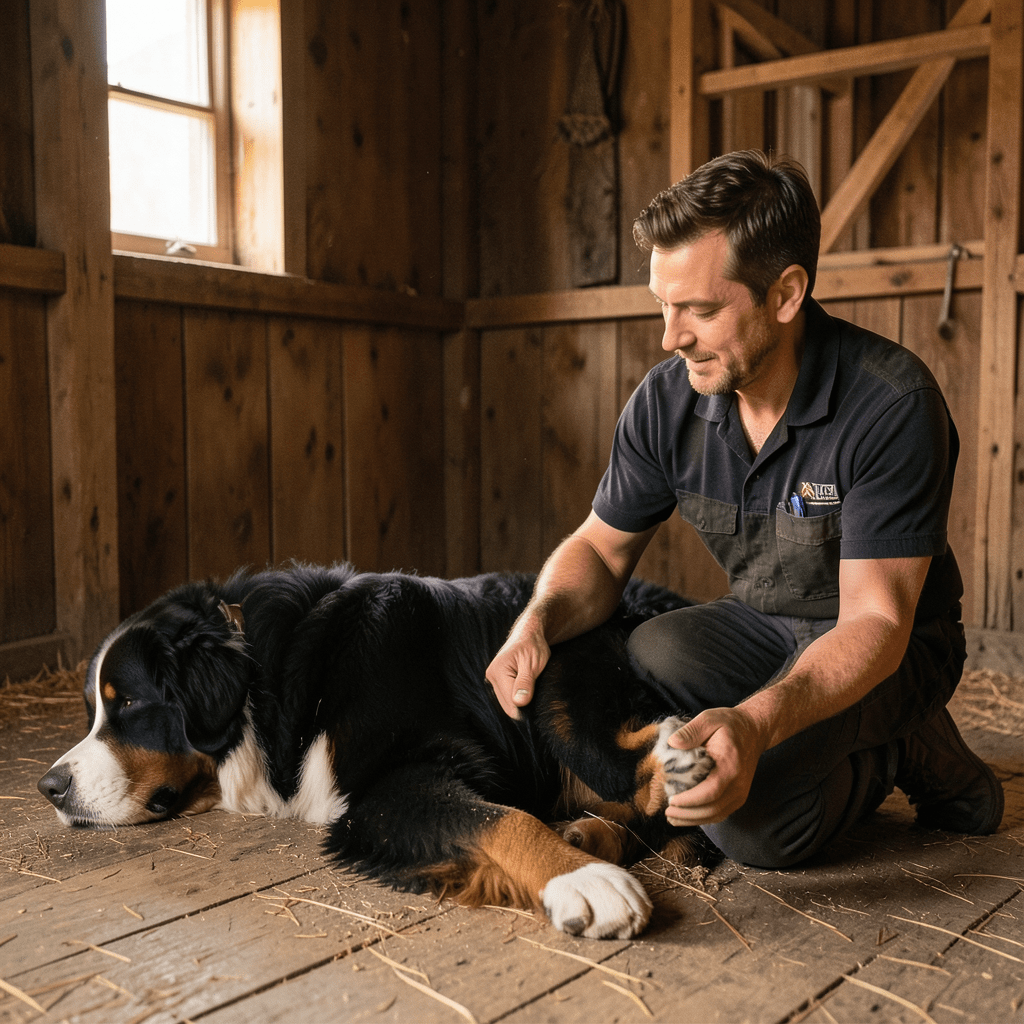
Every dog owner dreams of having a well-behaved companion that listens reliably, walks politely on a leash, and remains calm in different environments. However, achieving these goals can be challenging without proper guidance and consistency. Behavioral issues such as excessive barking, jumping, leash pulling, separation anxiety, and poor recall are common concerns that can create frustration for families and limit a dog’s ability to participate in everyday activities.
One increasingly popular solution is a professional board and train program. Unlike traditional weekly training classes, board and train programs provide an immersive learning environment where dogs receive focused instruction from experienced trainers on a daily basis. Training providers such as Rob’s Dog Training understand the value of structured, consistent instruction in helping dogs develop reliable obedience and better behavior.
For dog owners seeking long-term results, a professional board and train program offers a unique opportunity to build a stronger foundation for obedience, confidence, and positive behavior.
Understanding Professional Board and Train Programs
A professional board and train program involves a dog staying at a training facility or with a qualified trainer for a designated period. During this time, the dog participates in structured training sessions throughout the day, allowing trainers to reinforce desired behaviors consistently and effectively.
This immersive environment removes many of the distractions that often slow progress during traditional training methods. Because trainers work with the dog daily, they can identify behavioral patterns, adjust techniques as needed, and accelerate learning through repetition and consistency.
Board and train programs are suitable for dogs of various ages, breeds, and skill levels. Whether a dog is learning basic obedience commands or addressing more advanced behavioral challenges, professional guidance can help create meaningful improvements.
Why Consistency Is Essential for Dog Training Success
One of the biggest factors influencing training success is consistency. Dogs learn through repetition, routine, and clear communication. When expectations vary from day to day, confusion can develop, making it more difficult for a dog to understand desired behaviors.
A professional board and train environment provides:
- Structured daily schedules
- Consistent reinforcement techniques
- Clear behavioral expectations
- Controlled learning environments
- Frequent opportunities for practice
Because trainers maintain consistency throughout the program, dogs often progress more quickly than they would through occasional training sessions alone.
Consistency also helps strengthen a dog’s confidence. When dogs understand what is expected, they are more likely to respond calmly and appropriately in various situations.
Common Behavioral Issues Addressed Through Board and Train Programs
Many owners enroll their dogs in board and train programs because of ongoing behavioral concerns. Professional trainers can evaluate these issues and develop targeted strategies designed to improve behavior while strengthening communication between dog and owner.
Leash Pulling
Walking should be an enjoyable experience for both dog and owner. However, dogs that constantly pull on the leash can make daily walks stressful and physically demanding.
Professional training helps teach loose-leash walking techniques that encourage dogs to remain focused and responsive while navigating different environments.
Excessive Barking
While barking is a natural form of communication, excessive barking can become disruptive and frustrating. Trainers work to identify underlying causes and teach alternative behaviors that promote calmer responses.
Jumping on People
Many dogs jump out of excitement when greeting guests. Although often harmless, this behavior can become problematic, especially around children or elderly individuals.
Consistent training teaches dogs appropriate greeting behaviors and reinforces impulse control.
Poor Recall
Reliable recall is one of the most important obedience skills a dog can learn. A strong recall command helps keep dogs safe in a variety of situations and provides owners with greater peace of mind.
Board and train programs often devote significant time to developing dependable recall responses through structured exercises and positive reinforcement.
Reactivity and Overstimulation
Some dogs become overly excited, anxious, or reactive around people, animals, or unfamiliar environments. Professional trainers can implement gradual exposure techniques and behavior modification strategies that help dogs remain calm and focused.
Key Skills Developed During a Professional Board and Train Program
A comprehensive training program focuses on more than correcting unwanted behaviors. The goal is to build a foundation of skills that support lifelong success.
Basic Obedience Commands
Fundamental obedience skills often include:
- Sit
- Stay
- Down
- Place
- Come
- Heel
- Leave it
These commands help establish clear communication between dogs and their owners while improving overall responsiveness.
Impulse Control
Impulse control teaches dogs to remain calm and patient rather than reacting immediately to distractions. This skill is valuable in everyday situations such as greeting visitors, waiting at doorways, or remaining composed around other dogs.
Socialization
Positive social experiences help dogs develop confidence and adaptability. Professional training environments often provide controlled opportunities for dogs to interact with different people, settings, sounds, and experiences.
Environmental Confidence
Many dogs struggle with unfamiliar environments. Exposure to various situations during training helps reduce fear and uncertainty while encouraging calm, confident behavior.
The Benefits of Professional Guidance
Training a dog requires knowledge, timing, patience, and consistency. Professional trainers bring years of experience working with different breeds, temperaments, and behavioral challenges.
Some advantages of professional guidance include:
Personalized Training Plans
Every dog learns differently. Experienced trainers assess individual strengths, weaknesses, and behavioral tendencies before developing customized training programs.
Objective Evaluation
Owners sometimes struggle to identify the root causes of behavioral issues. Trainers provide an objective perspective and can recognize patterns that may otherwise go unnoticed.
Efficient Learning
Because dogs receive daily instruction and reinforcement, learning often progresses more rapidly than with less frequent training schedules.
Long-Term Behavioral Development
Professional training focuses on creating sustainable habits rather than temporary solutions. The goal is to help dogs develop behaviors that continue long after the program ends.
What Makes a High-Quality Board and Train Program?
Choosing the right training program is an important decision. Not all facilities offer the same level of expertise, communication, or care.
When evaluating options, consider the following factors.
Trainer Experience
Experienced trainers understand canine behavior, learning theory, and effective training techniques. A proven track record demonstrates an ability to work successfully with a wide range of dogs.
Training Philosophy
A reputable program should emphasize clear communication, consistency, and humane training methods that prioritize the dog’s well-being.
Individualized Approach
Every dog is unique. Effective programs avoid one-size-fits-all solutions and instead tailor training strategies to each dog’s specific needs.
Facility Standards
Cleanliness, safety, supervision, and appropriate exercise opportunities are important considerations when selecting a training environment.
Owner Education
Successful training extends beyond the facility. High-quality programs include guidance that helps owners maintain and reinforce learned behaviors after the dog returns home.
The Importance of Owner Involvement After Training
Although professional trainers play a critical role in the learning process, owners remain essential to long-term success.
Once training is complete, dogs must continue practicing learned behaviors in everyday situations. Consistent reinforcement helps maintain progress and prevent old habits from returning.
Helpful strategies include:
- Following trainer recommendations
- Practicing commands regularly
- Maintaining clear expectations
- Rewarding desired behaviors
- Providing ongoing mental stimulation
The transition from training facility to home is an important stage that helps solidify new habits and strengthen communication.
Why Board and Train Can Be More Effective Than Traditional Classes
Traditional group classes can provide valuable instruction, but they often involve limited weekly interaction. Dogs may receive only a few hours of training each month, which can slow progress.
A professional board and train program offers several advantages:
- Daily training sessions
- Increased repetition and reinforcement
- Faster skill development
- Personalized instruction
- Structured behavior modification
- Reduced environmental distractions
For owners facing significant behavioral challenges or demanding schedules, this immersive format can provide a practical and highly effective solution.
Building a Stronger Relationship Through Training
Training is not simply about obedience. It is also about improving communication and strengthening the bond between dog and owner.
When dogs understand expectations and receive consistent guidance, they often become more confident, relaxed, and responsive. Owners benefit from improved reliability, reduced stress, and greater enjoyment during daily activities.
A well-trained dog can participate more comfortably in family outings, neighborhood walks, social gatherings, and travel experiences. These positive interactions help deepen trust and create a more fulfilling companionship.
Conclusion
A professional board and train program offers an effective pathway for dogs to develop reliable obedience, confidence, and positive behavioral habits. Through structured daily training, personalized instruction, and consistent reinforcement, dogs can make significant progress in a relatively short period of time.
Whether addressing behavioral challenges such as leash pulling, excessive barking, poor recall, or reactivity, professional training provides the expertise and support necessary to achieve meaningful results. Combined with ongoing owner involvement and reinforcement at home, board and train programs can create lasting improvements that enhance both canine behavior and the overall quality of life for families.
For dog owners seeking a proven and efficient training solution, working with experienced providers such as Rob’s Dog Training can be a valuable step toward building a happier, more obedient, and more confident companion through a professional board and train program.