

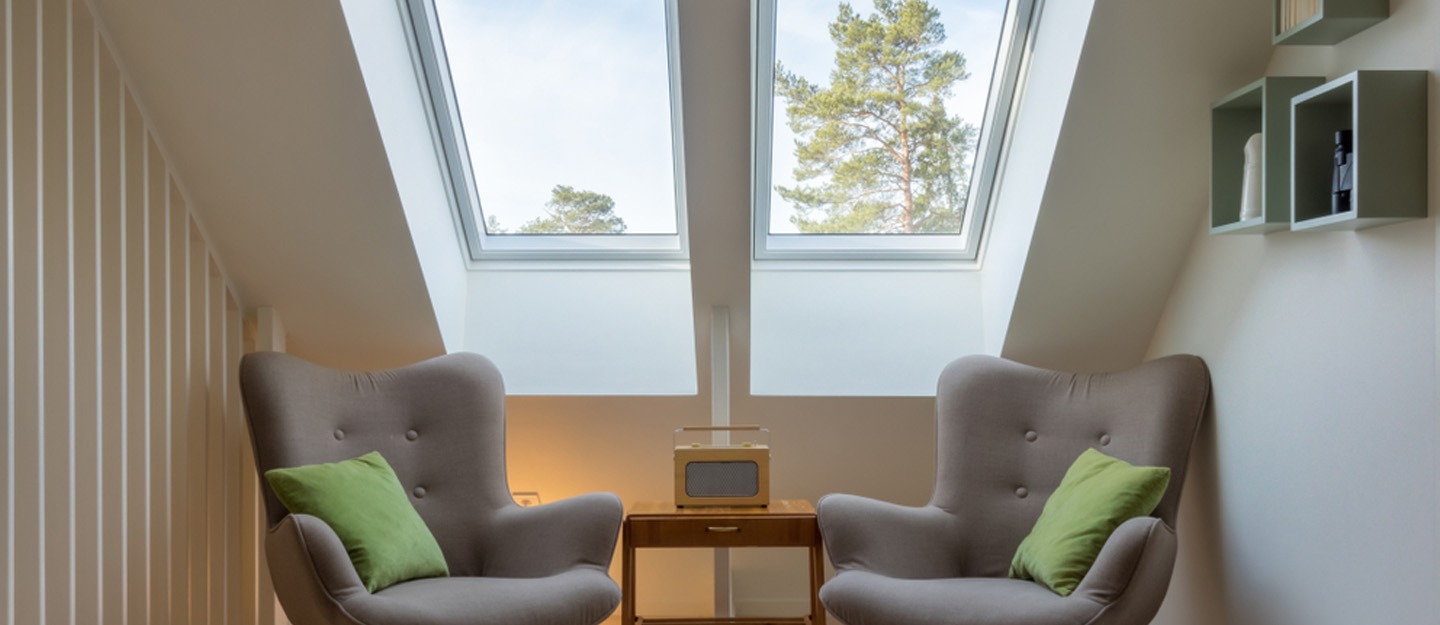
A dark bedroom can make even a well-decorated home feel unfinished. Bedroom skylight installation solves a problem that lamps and wall paint cannot fully fix: the room needs daylight from above, not another fixture in the corner. For many U.S. homeowners, that promise sounds simple until the roof, attic, insulation, permits, and finishing work enter the conversation.
The honest answer is this: a skylight can make a bedroom feel larger, calmer, and more valuable, but only when the roof and room are ready for it. A poorly placed unit can bring glare at sunrise, heat in summer, stains around drywall, and a repair bill that ruins the whole idea. Homeowners comparing remodeling options through home improvement planning resources should treat a skylight less like a window and more like a small roof project with interior design consequences.
Current U.S. cost guides place professional skylight projects across a wide range. Angi lists a national average near $1,910, while HomeAdvisor shows a broad range from about $450 to $5,260 depending on type, roof conditions, labor, and size.
Bedroom Skylight Installation Costs That Homeowners Usually Miss
The number that gets people excited is rarely the number they pay. A skylight price tag often starts with the unit, but the final invoice depends on roof access, framing, drywall, insulation, painting, flashing, and whether the ceiling needs a shaft built from the roofline down to the room. That is where bedroom projects separate themselves from hallway or attic installs.
Why Skylight Cost Changes From One Bedroom to Another
A basic fixed skylight on a simple asphalt-shingle roof may look like a small job from the bedroom floor. From the roof, it can become more demanding. A contractor may need to cut through decking, frame the opening between rafters, install flashing, protect the underlayment, build a light shaft, finish drywall, and match the ceiling paint.
That explains why two neighbors can get two different quotes for the same size unit. A single-story ranch in Ohio with an unfinished attic above the bedroom is a cleaner job than a two-story home in New Jersey with a steep roof, finished attic space, and limited access. The glass may be similar. The labor is not.
Skylight cost also rises when the bedroom ceiling is flat and the roof sits several feet above it. That distance needs a framed tunnel, not empty air. The longer and wider that tunnel becomes, the more drywall, insulation, and finishing work enters the budget. A bargain unit can still lead to a serious invoice once the inside of the home needs repair-grade finishing.
Where the Real Money Goes After the Unit Is Bought
The unit itself is only one part of the project. Flashing matters more than most homeowners expect because it decides whether water moves around the opening or finds its way into the ceiling. Cheap flashing work can look fine for one season and fail after wind-driven rain, ice, or repeated expansion around the roof cut.
Labor alone can range widely. HomeAdvisor notes that skylight labor may run from about $300 to $2,500, while Angi also points to permits, waterproofing, roof pitch, and roof type as cost drivers. That matters in bedrooms because leaks do not stay hidden for long. They show up as ceiling stains, peeling paint, or damp insulation above the sleeping area.
A practical U.S. budget should leave room beyond the quote. Permit fees may add $50 to $400 in some areas, and interior repainting may not be included. In hurricane-prone, snowy, or high-cost labor markets, the safe budget is the one that assumes the roof will ask for more than the brochure promised.
The Comfort Benefits Are Real, But They Are Not Automatic
A bedroom skylight can change how a room feels before anyone buys new furniture. Light from above spreads differently than light from a side window. It softens corners, wakes up paint colors, and makes small bedrooms feel less boxed in. Still, comfort depends on placement, glass choice, shade control, and local climate.
Bedroom Natural Light Can Make a Small Room Feel Larger
Bedroom natural light works best when it reaches the room without punishing the person sleeping in it. A skylight over the center of the room can brighten the floor and walls evenly. A skylight placed directly above the pillow can turn sunrise into an alarm clock nobody requested.
This is where design judgment matters. In a narrow Cape Cod bedroom, a smaller unit near the upper third of the room may feel better than a large skylight centered over the bed. The goal is not maximum daylight. The goal is useful daylight that makes the room easier to live in.
Bedroom natural light can also reduce the need for lamps during daytime hours, especially in homes with shaded side windows. In older U.S. neighborhoods with mature trees, small bedrooms often lose side light early in the day. A roof opening can bring back brightness without sacrificing privacy.
A Vented Skylight Can Help, But It Is Not a Cure-All
A vented skylight sounds perfect for stuffy bedrooms because warm air rises. Open the unit, let heat escape, and the room feels fresher. That can work well in spring and fall, especially in upstairs bedrooms where trapped heat collects near the ceiling.
The catch is maintenance. A vented skylight has moving parts, seals, screens, and controls that a fixed unit does not. Manual models require access, while electric or solar-powered units cost more. SunSquare’s 2026 guide places new manual venting projects around $3,500 to $7,000 and electric or solar venting options around $4,500 to $8,500 for more involved installs.
A vented skylight also demands discipline. If it stays open during a sudden storm, the bedroom can take damage fast. Rain sensors help, but they add cost and still need proper setup. For many homeowners, a fixed skylight with a good shade may be the calmer choice.
Roof Window Installation Risks That Deserve Respect
The best skylight is the one that behaves like part of the roof, not a hole in it. That sounds blunt because it should. A bedroom sits under the work, so every mistake becomes personal. A leak in a garage is annoying. A leak over a mattress feels like betrayal.
Roof Pitch, Roofing Material, and Flashing Decide the Outcome
Roof window installation depends heavily on the roof itself. Asphalt shingles are usually easier to work with than tile, slate, or standing-seam metal. A steep roof can require extra safety setup. A low-slope roof may need products rated for that condition, not a standard unit placed where it should never go.
Flashing must match the product and roof material. This is not a place for improvisation. A contractor who treats the skylight like a simple window install can create a weak point that only appears during hard rain or snow melt.
A real-world example is the bedroom below a north-facing roof in a snowy state such as Minnesota. The skylight may not face harsh afternoon sun, which sounds good, but snow buildup and ice movement can test every seam. The quiet roof side can become the most demanding side once winter arrives.
Leaks Are Usually a System Problem, Not a Glass Problem
Homeowners often blame the skylight when they see water, but the glass may not be the failure point. Water can enter through poor flashing, damaged shingles, cracked sealant, bad underlayment, condensation, or an old roof around a new unit. The stain on the ceiling tells you where water ended up, not where it started.
That is why roof age matters. Installing a skylight on a roof that needs replacement soon can be a false economy. You may pay once to install the skylight and again to remove, reflash, or adjust it when the roof gets replaced. Some roofing contractors prefer coordinating both jobs because the waterproofing details can be handled together.
Roof window installation also affects insulation. A poorly insulated light shaft can lose heat in winter and collect condensation along cold surfaces. That moisture may look like a roof leak, even when the roof is dry. The uncomfortable truth is that a skylight project crosses trades: roofing, framing, insulation, drywall, and finish work all have to behave.
Choosing the Right Skylight Type for a Bedroom
The smartest bedroom skylight is not always the biggest or most expensive one. It is the one that matches the room’s sleep pattern, ceiling shape, roof direction, and climate. A bedroom is not a kitchen. Morning light, privacy, heat gain, and glare matter more because the room has to calm you down at night and wake you gently in the morning.
Fixed, Vented, and Tubular Options Serve Different Needs
A fixed skylight suits homeowners who want daylight without airflow. It has fewer moving parts and often costs less than vented models. For a bedroom that already has good windows, a fixed unit can be the cleanest choice.
A vented skylight makes more sense when the bedroom traps heat, smells musty, or sits under a warm attic zone. It gives the room an escape path for stale air, but it asks for a higher budget and more care. In humid states such as Florida or Louisiana, ventilation may help, but glass selection and moisture control still matter.
Tubular skylights, also called solar tubes or sun tunnels, offer a different path. They bring daylight through a smaller roof opening and reflective tube. Angi lists solar tube installation from about $600 to $1,100 on average, with a national average near $850. That can work well for closets, small bedrooms, or rooms where a full roof opening feels risky.
Glass, Shades, and Placement Shape Daily Comfort
Glass choice can make or break the experience. Low-E glass, laminated glass, and insulated glazing can reduce heat transfer and improve comfort. Plastic domes may cost less, but many homeowners prefer glass for durability, clarity, and a cleaner finished look.
Shades deserve a line in the budget from day one. A bedroom without skylight shades can become too bright too early, especially with east-facing roof exposure. Blackout or room-darkening shades help protect sleep, while light-filtering shades soften daytime glare.
Placement should consider the bed, screen glare, privacy, and the path of the sun. A skylight above a reading chair may feel pleasant. One above a television may create constant glare. One above a bed may look romantic in photos, then wake you before 6 a.m. in June. Beauty has to answer to daily life.
When the Pros Outweigh the Cons
A skylight earns its place when it fixes a real weakness in the bedroom. If the room feels gloomy, boxed in, or cut off from the outdoors, overhead daylight can change the mood faster than new decor. It can also make a small room feel more intentional, especially in attic bedrooms or homes where side windows face a fence, wall, or neighboring house.
The Best Projects Solve a Specific Bedroom Problem
Strong projects begin with a clear reason. A homeowner in Seattle may want more daylight through long gray seasons. A homeowner in Arizona may care more about controlled light without added heat. A homeowner in a New England attic bedroom may need both light and a legal egress window elsewhere, because a skylight alone does not solve every code or safety issue.
The counterintuitive point is simple: the best skylight may be modest. A smaller unit in the right location can feel better than a large one that overheats the room or dominates the ceiling. More glass does not always mean better living.
A good contractor will ask how you use the bedroom. They will want to know when you sleep, whether you work in the room, where furniture sits, and what roof plane is available. That conversation protects you from buying a feature that looks good on a plan but annoys you every morning.
Resale Value Depends on Quality, Not the Feature Alone
Buyers like bright bedrooms, but they dislike mystery stains. A neat, well-flashed skylight with a clean drywall shaft can make a room feel upgraded. A dated unit with fogged glass or patched ceiling paint can make buyers wonder what else is wrong with the roof.
Documentation helps. Keep permits, product information, warranty papers, and contractor invoices. If you sell the home later, that folder tells a better story than “the previous owner said it never leaked.” Buyers trust paper more than reassurance.
Bedroom skylight installation makes the most sense when you treat it as a comfort upgrade with roof-level discipline. Spend time on placement, hire someone who respects flashing, and budget for shades before the first cut is made. The right skylight does not shout for attention; it changes the room so naturally that the ceiling finally feels like it belongs to the home.
Frequently Asked Questions
How much does it cost to add a skylight to a bedroom?
Most professional projects land between about $1,000 and $3,000 for simpler installs, while complex new openings can move higher. Roof type, ceiling depth, framing, flashing, drywall, and local labor rates decide the final price more than the skylight size alone.
Is a skylight in a bedroom a good idea?
It can be a strong choice when the room lacks daylight, feels closed in, or needs better visual warmth. It becomes a poor choice when placement ignores sleep, glare, heat gain, roof age, or leak risk.
What is the biggest downside of a bedroom skylight?
The biggest downside is water risk from poor installation or aging roof materials. Heat gain, early morning glare, and added maintenance also matter, but a leak above a finished bedroom creates the most expensive and stressful problem.
Does a vented skylight make a bedroom cooler?
It can help release trapped warm air, especially in upstairs bedrooms. It will not replace good insulation, air sealing, ceiling fans, or air conditioning. In hot climates, glass quality and shade control matter as much as ventilation.
Should I install a skylight before replacing my roof?
A roof near the end of its life should usually be handled first or at the same time. Installing a skylight on aging shingles can lead to extra labor later when roofers need to remove and reflash the unit.
Are tubular skylights good for bedrooms?
They can work well in small bedrooms, closets, or rooms that need daylight without a large roof opening. They bring less sky view than traditional skylights, but they often cost less and involve a smaller installation footprint.
Do bedroom skylights need blackout shades?
Most bedrooms benefit from room-darkening or blackout shades. They protect sleep, reduce glare, and help control heat. East-facing skylights make shades even more useful because morning sun can become intense during long summer days.
Can a skylight increase home value?
A clean, well-installed skylight can improve buyer appeal by making a bedroom feel brighter and more finished. Value drops fast if the skylight looks old, leaks, has fogged glass, or raises concerns about roof damage.