
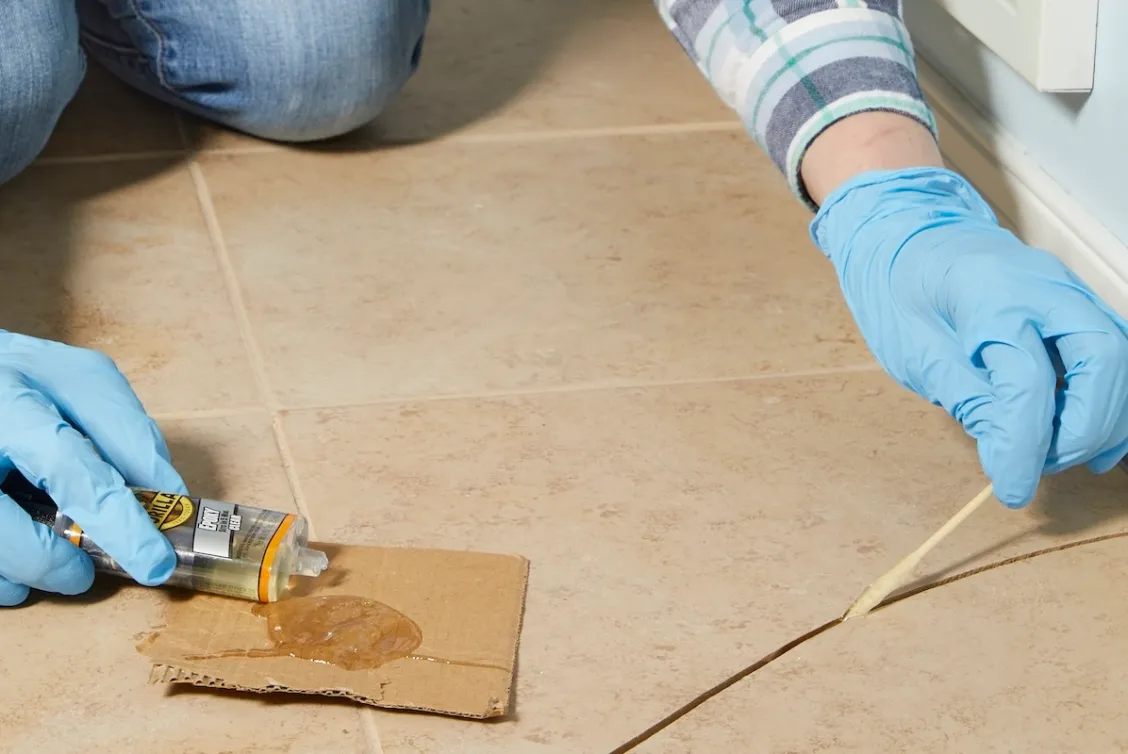
A small crack in a bathroom floor can feel harmless until your foot catches it, water slips under it, or the line starts spreading across the tile like a bad secret. Cracked bathroom tiles are not only a cosmetic problem; they can point to movement, moisture, poor installation, or aging materials beneath the surface. For many American homeowners, the mistake is waiting until one damaged tile turns into loose grout, stained subflooring, or a shower wall that no longer keeps water where it belongs.
The right fix starts with reading the crack before grabbing glue or grout. A hairline mark near the sink is not the same as a split tile in a shower corner. One may need a small surface repair. The other may need removal, inspection, and careful bathroom tile replacement. If you care about practical home upkeep, reliable renovation choices, and smart property decisions, resources like home improvement guidance for everyday homeowners can help you think beyond the quick patch.
Why Cracked Bathroom Tiles Happen Before You Notice the Real Problem
Most tile cracks start quietly. The tile may look strong from the top, but it depends on what sits beneath it: mortar, backer board, framing, waterproofing, and the movement of the house itself. The visible line is often the last part of the story, not the first.
Tile crack repair starts with finding the cause
A single cracked tile near a dropped hair dryer or shampoo bottle usually has an obvious explanation. Impact cracks often spread from one point, almost like a tiny spiderweb. That kind of damage can be annoying, but it rarely means the whole bathroom is failing.
A long straight crack across several tiles tells a different story. That pattern can come from floor movement, poor underlayment, weak mortar coverage, or seasonal expansion. In older U.S. homes, especially houses with wood framing, bathroom floors move more than people expect. Tile hates movement. It wants a firm, flat surface.
The counterintuitive part is that stronger tile does not always save the floor. Porcelain can resist wear better than cheap ceramic, but it can still split if the base beneath it flexes. The tile is not always the weak link. Sometimes it is the messenger.
Grout and moisture damage can expose hidden failure
Loose grout often appears before the tile breaks. Homeowners miss it because grout feels like decoration, not protection. In a bathroom, though, grout lines help slow water and dirt from reaching the layers below.
Grout and moisture damage become serious around tubs, showers, toilets, and vanities. A cracked tile beside a toilet may seem like a simple repair until you notice a soft floor, a rocking fixture, or a faint smell that never leaves. That is when a surface flaw turns into a water problem.
A Florida condo bathroom gives a clear example. One cracked floor tile near the shower door may come from years of splashing water and weak grout. The tile breaks because the material below it has softened, not because someone stepped too hard. Fixing the top without drying or replacing the base is money spent twice.
The Smart Way to Judge Whether a Tile Can Be Saved
Every cracked tile asks the same question: can you repair the surface, or does the tile need to come out? Guessing wastes time. A careful check gives you a cleaner answer and helps you avoid turning a small repair into a weekend demolition.
Surface cracks do not always mean full replacement
Fine cracks on glazed ceramic sometimes stay shallow. If the tile feels solid, sits flat, and does not move when pressed, a cosmetic repair may hold for a while. Clear epoxy, color-matched filler, or a tile repair pen can hide the line enough for low-stress areas.
This works best on dry bathroom floors, powder rooms, or wall tiles away from direct water spray. It is less wise inside showers because constant moisture tests every weak spot. A shower tile fix should treat water as the enemy, not an afterthought.
A good habit is to tap around the damaged tile with a plastic handle. A firm tile sounds sharp and solid. A loose tile often sounds hollow. That hollow sound means the bond underneath has failed, and filler on top will not rebuild it.
Bathroom tile replacement makes sense when movement is present
A cracked tile that moves under pressure should come out. The same is true for tiles with missing chunks, sharp edges, deep splits, or dark staining along the crack. Those signs mean the damage has moved past appearance.
Bathroom tile replacement also makes sense when several nearby tiles fail. A cluster of cracks suggests a base issue, not random bad luck. In that case, removing one tile can reveal whether the mortar coverage was poor, the backer board is damaged, or moisture has reached the structure.
Here is the part many homeowners dislike: one tile may not match the old floor anymore. Sunlight, cleaning chemicals, and age change color over time. If you saved spare tiles from the original job, you are lucky. If not, you may need to pull from a hidden area, choose a close match, or turn the repair into a planned design accent.
Cracked Bathroom Tiles and the Right Repair Process
A clean repair is slower than a messy one, but it lasts longer. The goal is not to hide the crack for a few weeks. The goal is to restore a safe, sealed surface without damaging the tiles around it.
Shower tile fix work needs waterproof thinking
A shower is not a regular wall with tile on it. It is a wet zone that must shed water every day. When a shower tile cracks, the first concern is not the tile face. It is whether water has reached the wall cavity behind it.
Start by checking the grout, caulk, corners, and nearby tiles. If the crack is inside the shower, stop using that area until you know whether water is entering. Tape and surface filler may buy time, but they are not a proper shower tile fix when the crack is deep or the tile is loose.
Removing the damaged tile requires patience. The grout around it should be cut first, then the tile broken inward so nearby pieces are not chipped. Once the tile is out, the backing must be inspected. Dry, firm backing can usually accept a new tile. Soft, swollen, moldy, or crumbly backing needs repair before any tile goes back.
Tile crack repair depends on clean prep
Good prep does not look exciting, yet it decides the outcome. Dust, old thinset, damp backing, and loose grout all weaken the repair. A replacement tile needs a clean, flat base and enough mortar coverage to bond across the full back.
Thinset should be spread with the right trowel size, then the tile should be pressed evenly into place. The new tile must sit level with the surrounding surface. A raised edge becomes a toe-catcher. A sunken edge collects grime and water.
After the mortar cures, grout fills the joints and seals the visual line between old and new. Caulk belongs at movement joints, corners, and changes of plane, not grout. That distinction matters. Grout cracks where surfaces move, while flexible bathroom caulk can handle slight shifts without splitting open.
Preventing the Next Crack After the Repair Is Done
The best repair teaches you something about the bathroom. A cracked tile is not only a task to cross off. It is a warning system for how your floor, walls, fixtures, and moisture control are behaving together.
Grout and moisture damage prevention starts with maintenance
Bathroom maintenance often feels boring until it saves you from replacing a floor. Sealing grout where needed, refreshing caulk, and drying wet corners after showers can slow damage in a big way. Small habits protect the layers you cannot see.
Grout and moisture damage also come from poor ventilation. A bathroom fan that sounds loud but pulls little air is not doing its job. In colder U.S. climates, trapped steam can linger on walls, soften materials, and feed mildew. In humid states like Louisiana or Georgia, the room may already be fighting moisture before anyone turns on the shower.
A practical test helps. Hold a tissue near the fan while it runs. If the tissue barely moves, airflow may be weak. That does not prove a tile problem, but it tells you the bathroom is staying wetter than it should.
Bathroom tile replacement can be a chance to fix bad design
Sometimes replacing tile is not failure. It is the chance to correct a bathroom that was built poorly from the start. Cheap underlayment, rushed mortar work, missing movement joints, or weak waterproofing can make even nice tile crack again.
A homeowner in a 1990s suburban house might replace one cracked floor tile three times before realizing the toilet flange is uneven and the floor dips near the plumbing. The tile is blamed each time, but the real issue sits below it. Once the subfloor is strengthened and the fixture is reset, the problem stops returning.
That is why the smartest repair is not always the smallest one. A tiny patch is fine when the cause is tiny. When the bathroom keeps giving you clues, listen before you cover them.
Conclusion
A bathroom crack asks for judgment, not panic. The worst move is pretending every damaged tile needs a major renovation, and the second worst is treating every crack like a cosmetic flaw. The right answer sits between those extremes. Look for movement, moisture, hollow sounds, sharp edges, and repeated failure in the same area.
Cracked bathroom tiles should push you to inspect the system beneath the surface. The tile you see depends on the layers you do not. When those layers stay dry, firm, and well bonded, a repair can last for years. When they fail, no filler, grout, or matching tile will save the job for long.
Take the time to diagnose first, repair second, and prevent third. If the tile is loose, wet, or spreading damage, bring in a qualified tile contractor before the bathroom teaches you a more expensive lesson.
Frequently Asked Questions
How do I know if a cracked bathroom tile needs replacement?
Press gently around the tile and listen for a hollow sound. If it moves, feels loose, has sharp broken edges, or sits in a wet area, replacement is the safer choice. A stable hairline crack in a dry spot may only need cosmetic repair.
Can I fix a cracked shower tile without removing it?
A shallow surface crack may be sealed for a short time, but deep cracks in showers usually need removal. Water can pass through damaged tile and grout, then reach the wall behind it. A lasting repair checks the backing before the new tile goes in.
What causes bathroom floor tiles to crack?
Common causes include dropped objects, floor movement, poor mortar coverage, weak underlayment, moisture damage, and uneven subfloors. In many homes, the tile breaks because the surface beneath it shifts or softens, not because the tile itself was poor quality.
Is cracked grout around bathroom tiles serious?
Cracked grout can be serious near showers, tubs, and toilets because it may let water move below the surface. Small dry cracks can be cleaned and regrouted, but loose grout with staining, softness, or odor deserves a deeper inspection.
Can water leak through cracked bathroom tile?
Yes, water can move through cracks, damaged grout, and failed caulk. Tile itself is only one part of the water barrier. In showers and wet floors, even small openings can send moisture into backing materials if ignored long enough.
How much does it cost to replace one bathroom tile?
Costs vary by location, tile type, labor rates, and whether hidden damage exists. A simple single-tile replacement may be modest, but the price rises if the contractor must repair backing, waterproofing, subflooring, or plumbing-related damage.
Should I use caulk or grout around a repaired bathroom tile?
Use grout between tiles on the same flat surface. Use flexible bathroom caulk at corners, edges, tub lines, shower changes of plane, and areas where movement happens. Grout in those moving joints often cracks again.
How can I prevent bathroom tiles from cracking again?
Keep grout and caulk in good shape, fix leaks early, run the bath fan, avoid heavy impacts, and make sure the floor or wall behind the tile is stable. Repeated cracks usually mean the base needs repair, not another surface patch.